Taming the Invader: The Truth About Using Borax on Creeping Charlie
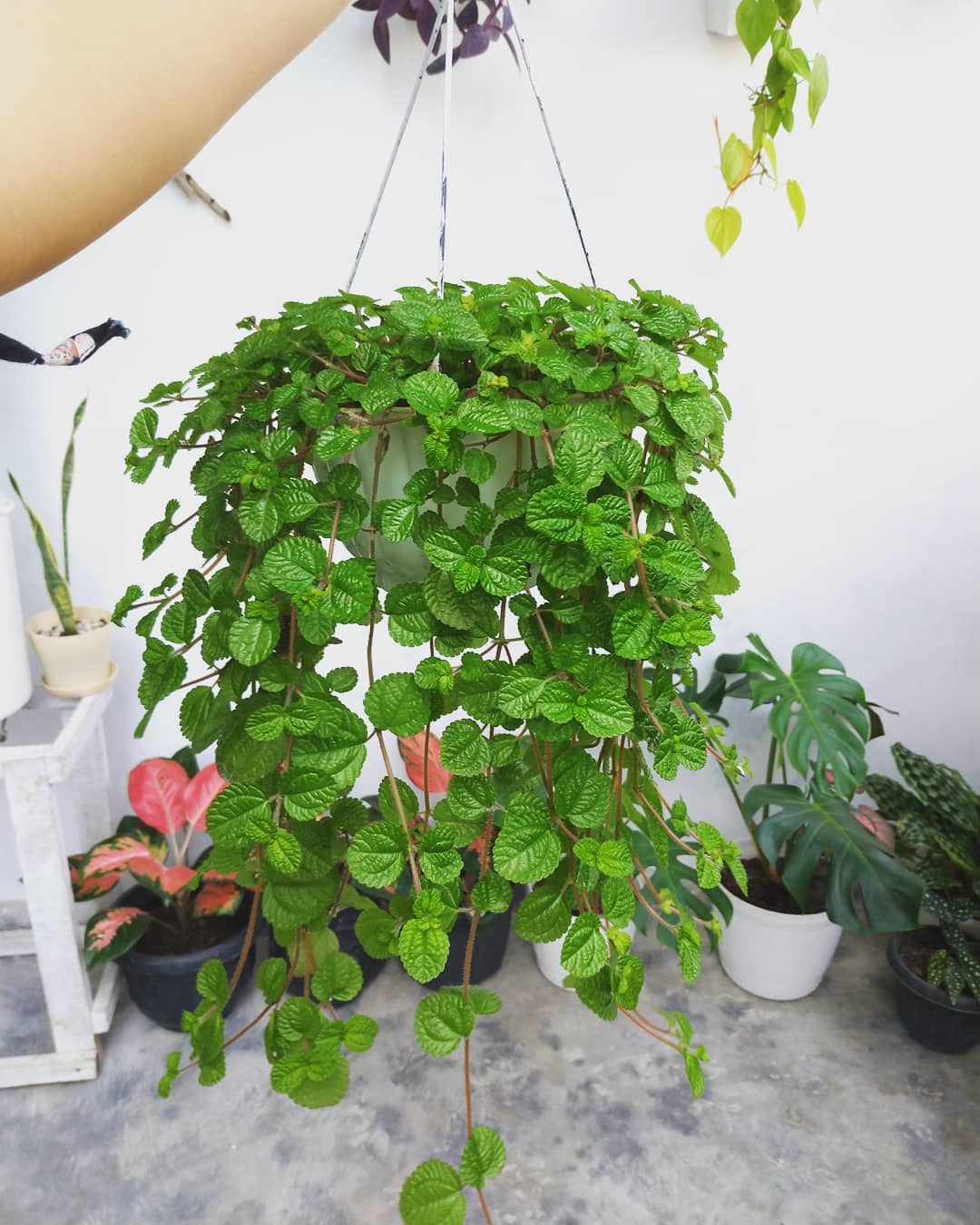
Creeping Charlie (Glechoma hederacea), with its scalloped leaves and tenacious runners, is the bane of many a gardener’s existence. This aggressive ground cover can quickly transform a lush lawn into a tangled mat, out-competing grass for water and nutrients. In the quest for a solution, many homeowners stumble upon an old, unconventional remedy: borax.
But is using this common household laundry booster a wise horticultural practice or a dangerous garden myth? This article delves deep into the science, the method, and the significant risks to help you make an informed decision.
Understanding the Enemy: What is Creeping Charlie?
Before declaring war, it’s crucial to know your adversary. Creeping Charlie is a perennial broadleaf weed in the mint family. Key identifiers include:
- Square Stems: A classic characteristic of the mint family.
- Scalloped, Rounded Leaves: Often with a crinkled texture.
- Purple, Trumpet-Shaped Flowers: Blooming in the spring.
- Aggressive Runners (Stolons): It spreads rapidly across the ground, rooting at the nodes.
Its resilience makes it notoriously difficult to control with standard broadleaf herbicides, which is why alternative remedies like borax have gained traction.
The Borax “Magic Bullet” Theory: How It’s Supposed to Work
Borax contains boron, a micronutrient essential for all plants in minute quantities. The theory, popularized by a 1970s University of Illinois study, is that creeping Charlie is uniquely sensitive to boron, while lawn grasses can tolerate slightly higher levels.
The idea is simple: by applying a carefully measured solution of borax, you deliver a toxic dose of boron to the weed, killing it, while leaving your grass relatively unscathed.
“The borax method works on the principle of selective toxicity,” explains a hypothetical horticulturist. “It’s a fine line between a dose that kills the weed and one that harms the entire lawn. That’s where the extreme caution comes in.”

The Step-by-Step Borax Recipe (Use With Extreme Caution)
If you choose to proceed, precision is non-negotiable. Do not guess the measurements.
What You’ll Need:
- 10 ounces of pure, 20 Mule Team Borax (not boric acid)
- 4 ounces of warm water (to dissolve the borax)
- 2.5 gallons of water (for the final solution)
- A calibrated sprayer
The Process:
- Dissolve: Completely dissolve the 10 ounces of borax in the 4 ounces of warm water to create a concentrated slurry.
- Dilute: Add this slurry to the 2.5 gallons of water in your sprayer. Mix thoroughly.
- Apply: Spray the solution evenly over a 1,000 square foot area infested with creeping Charlie. Do not overspray.
- Timing: The best time to apply is in the fall, when the weed is actively transporting nutrients to its roots.
Crucial Safety Note: Wear gloves and eye protection during mixing and application. Keep children and pets off the lawn until the application has completely dried.
The Significant Risks and Downsides of Using Borax
This is not a harmless, organic hack. The potential for collateral damage is high.
- Soil Boron Buildup: Boron does not break down or volatilize. Repeated applications can lead to a toxic buildup in your soil, rendering it infertile for years.
- Lawn Grass Damage: Even a slight miscalculation can cause yellowing, stunting, or death of your desirable turfgrass.
- Harm to Other Plants: Runoff or overspray can damage or kill nearby shrubs, flowers, and trees, which are also sensitive to excess boron.
- Environmental Concerns: Boron can leach into groundwater, posing a risk to the broader environment.
Borax vs. Other Methods: A Quick Comparison
The table below summarizes how borax stacks up against other common control methods.
| Method | How It Works | Pros | Cons |
|---|---|---|---|
| Borax Solution | Selective boron toxicity | Inexpensive; can be effective for a single season. | High risk of soil contamination and lawn damage; not a long-term solution. |
| Commercial Herbicides (e.g., Triclopyr) | Broadleaf weed systemic control | Effective; often specifically formulated for tough weeds like Creeping Charlie. | Chemical-based; can harm other broadleaf plants; requires careful application. |
| Smothering | Physical barrier blocks light | 100% organic and safe; improves soil. | Slow process; not practical for large or established lawns. |
| Hand-Pulling | Physical removal | Immediate results; no chemicals. | Labor-intensive; must remove all roots and runners to be effective. |
Safer and More Sustainable Alternatives
Given the risks of borax, many experts recommend starting with these safer strategies:
- Improve Lawn Health: A thick, healthy lawn is the best defense. Regular mowing at the proper height (3-3.5 inches), core aeration, and appropriate fertilization will help grass out-compete the weed.
- Targeted Herbicides: Look for post-emergent herbicides containing Triclopyr or a combination of 2,4-D, Dicamba, and Mecoprop. These are specifically designed to control broadleaf weeds in turfgrass and are a much more reliable and less risky option than borax.
- The “Weed Dragon” or Flame Weeding: For patios or driveways, a quick pass with a flame weeder can effectively kill the above-ground growth.
- Persistent Hand-Pulling: For small infestations, consistent and thorough hand-pulling, ensuring all runners are removed, can eventually win the war.
The Final Verdict
While the borax method can appear to be a successful “quick fix” for Creeping Charlie, it is a gamble with high stakes. The potential for long-term soil damage far outweighs the short-term benefits.
A final word of caution from a landscape professional: “Using borax in the garden is like performing surgery with a sledgehammer. You might hit the target, but the collateral damage can be devastating. Modern, targeted herbicides and cultural practices are the sharper, safer tools for this job.”
For a healthy, sustainable lawn, focus on building turf vigor and, if necessary, use a targeted herbicide as a last resort. Your soil—and your entire garden—will thank you for years to come.