Solving Space Problems in Older Homes Without Major Renovation
Older homes come with character, solid construction, and neighborhoods that newer developments can’t replicate. They also come with layouts designed for different lifestyles, smaller closets than modern standards, and quirks that made sense decades ago but feel impractical now. The instinct is often to gut and renovate, but that approach destroys the charm that made the house appealing in the first place while costing a fortune and creating months of disruption. Better solutions exist that address functional problems while respecting the home’s original character.
The challenge with older homes isn’t usually the bones – it’s how space gets divided and used. Rooms are smaller and more numerous. Hallways consume square footage without serving much purpose. Closets barely hold a week’s worth of clothes. Door swings block natural furniture placement. These issues compound to make homes feel cramped despite having reasonable total square footage. Fixing them doesn’t require moving walls or completely reimagining the floor plan in most cases.
Working With Awkward Room Proportions
Many older homes have rooms that are either too small for their intended purpose or oddly shaped in ways that make furniture arrangement difficult. A bedroom might be 10×10 – technically a bedroom, but barely functional with a bed and dresser. Living rooms sometimes stretch long and narrow, creating dead zones at the ends.
Repurposing rooms often solves this better than expanding them. That tiny bedroom becomes a home office, craft room, or walk-in closet for the primary bedroom next door. The narrow living room splits functionally into a sitting area at one end and a reading nook or workspace at the other, with furniture arrangement acknowledging the shape rather than fighting it.
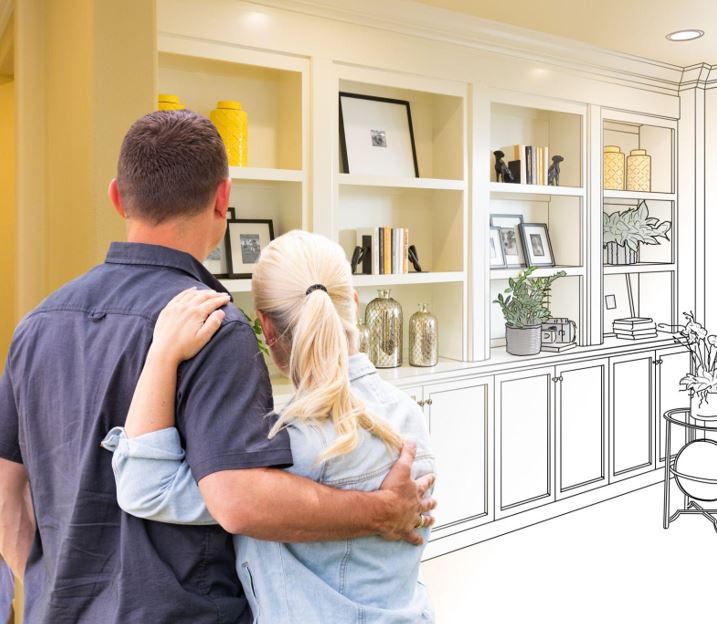
Built-ins maximize awkward spaces without construction. Custom shelving in odd corners, window seats with storage underneath, or desk areas tucked into alcoves turn weird architectural features into functional assets. These additions work with the existing space rather than trying to normalize it into standard modern proportions.
Reclaiming Hallway and Circulation Space
Older homes often dedicate significant square footage to hallways and passages that serve only as connectors. This made sense when every room had a door that stayed closed, but modern living uses space more fluidly. All that hallway square footage becomes an opportunity.
Removing doors from rooms that don’t need privacy immediately makes adjacent hallways feel less like wasted space. The hallway becomes a transition zone rather than a corridor, visually borrowing space from the rooms it connects. This works particularly well for living rooms, dining rooms, and dens that benefit from feeling more open.
Widening doorways between hallways and rooms creates similar effects without actually removing walls. A standard 32-inch doorway expanded to 48 or 60 inches transforms the relationship between spaces. The hallway no longer feels like a separate tunnel but rather an extension of the rooms it serves.
Door solutions that eliminate swing space help tremendously in tight circulation areas. A pocket door system tucked into the wall removes the need for clearance that swinging doors require, instantly making narrow passages more functional. When doors must stay but space is tight, this approach recovers floor area without removing the ability to close off rooms when needed.
Addressing Insufficient Storage
Closet space in older homes rarely meets modern needs. What passed for adequate storage in an era of smaller wardrobes feels comically inadequate now. Adding closets through construction means sacrificing room space, which older homes can’t really afford.
Freestanding wardrobes and armoires provide storage without permanent changes. They work with the period aesthetic of older homes while offering hanging and drawer space that built-in closets lack. Multiple smaller pieces often fit awkward spaces better than trying to install a modern closet system.
Vertical storage maximizes the high ceilings that many older homes have. Shelving that goes up rather than out uses space that’s otherwise wasted. This works in bedrooms, kitchens, and utility areas where ceiling height provides opportunities that modern homes with their 8-foot ceilings can’t offer.
Under-stair spaces, attic access points, and other odd areas become storage through creative solutions. Pull-out systems, custom shelving, or even just proper organization turns these overlooked spots into functional storage without adding square footage or removing existing space from rooms.
Kitchen Functionality in Small Footprints
Older kitchens tend to be small, closed-off, and designed around different cooking patterns. Full renovations that expand into adjacent rooms destroy original layouts and cost enormously. Functional improvements within the existing footprint work better for homes where preserving character matters.
Better organization and storage solutions transform how small kitchens work. Pull-out shelving in base cabinets, lazy susans in corners, vertical dividers for baking sheets, and drawer organization systems make existing storage more efficient. This often provides more usable space than adding cabinets would.
Removing upper cabinets and replacing them with open shelving creates a more open feel without changing the room’s footprint. This trades some storage capacity for visual space – a worthwhile exchange when the kitchen feels claustrophobic but can’t physically expand.
Small appliances and fixtures designed for compact spaces perform as well as full-size versions while fitting the available space better. An 18-inch dishwasher works fine for two people and leaves more cabinet space. Apartment-size ranges fit 20-inch spaces that can’t accommodate standard 30-inch models.
Bathroom Space Challenges
Bathrooms in older homes are often tiny by modern standards. Five-by-seven bathrooms were normal when homes were built with one bathroom for the whole house. Expanding them usually means stealing space from adjacent bedrooms or closets, which creates new problems while solving old ones.
Corner sinks, wall-hung toilets, and compact fixtures provide full functionality in less space. Modern versions of these pieces work better than trying to cram standard-size fixtures into inadequate rooms. A 16-inch-deep sink provides all the function of a 19-inch model while reclaiming three inches of floor space – significant in a five-foot-wide room.
Shower-only bathrooms often work better than tub/shower combos in small spaces. A 32-inch shower enclosure takes less room than a tub and feels more spacious to use. This particularly makes sense for secondary bathrooms where tub access isn’t essential.
Storage in bathrooms requires creativity when square footage is limited. Medicine cabinets recessed into walls, shelving above toilets, and pedestal sinks with storage skirting maximize what’s available. These solutions avoid the bulky vanities that overwhelm small bathrooms while still providing necessary storage.
Living With Lower Ceilings in Some Rooms
Many older homes have varying ceiling heights – perhaps 9 or 10 feet in public rooms but 7.5 feet in bedrooms or additions. Raising ceilings requires serious construction. Working with them requires different thinking.
Lower furniture profiles make rooms with lower ceilings feel less cramped. Platform beds, low-back sofas, and furniture that sits closer to the ground creates visual space between the top of furniture and the ceiling. This makes the ceiling height less noticeable and the room feel less compressed.
Light colors on ceilings help – white reflects light and recedes visually compared to darker colors that seem to press down. This is basic but effective, costing nothing more than paint.
Avoiding tall storage pieces in low-ceiling rooms prevents that pressed-down feeling. A tall bookshelf or armoire in a 7.5-foot ceiling room emphasizes the limitation. Lower storage solutions work with the proportions rather than highlighting the constraint.
Keeping Original Character While Improving Function
The goal isn’t making older homes feel like new construction. It’s addressing functional shortcomings while preserving the details and character that make them desirable. Crown molding, original woodwork, hardwood floors, and architectural details have value beyond function.
Solutions that work within the existing structure respect this. Adding built-ins in period-appropriate styles, using hardware and fixtures that match the home’s era, and maintaining original room arrangements where they work all honor the home’s character while improving livability.
The functional improvements that matter most – better storage, improved traffic flow, and more efficient space use – don’t require stripping away original features or gutting entire floors. They require working thoughtfully with what exists, finding creative solutions to space challenges, and prioritizing changes that deliver maximum functional improvement with minimum architectural disruption.
Older homes reward this approach with spaces that function well for modern life while maintaining the character and quality that made them worth buying in the first place.