How to Get Rid of Camper Toilet Odor For Good
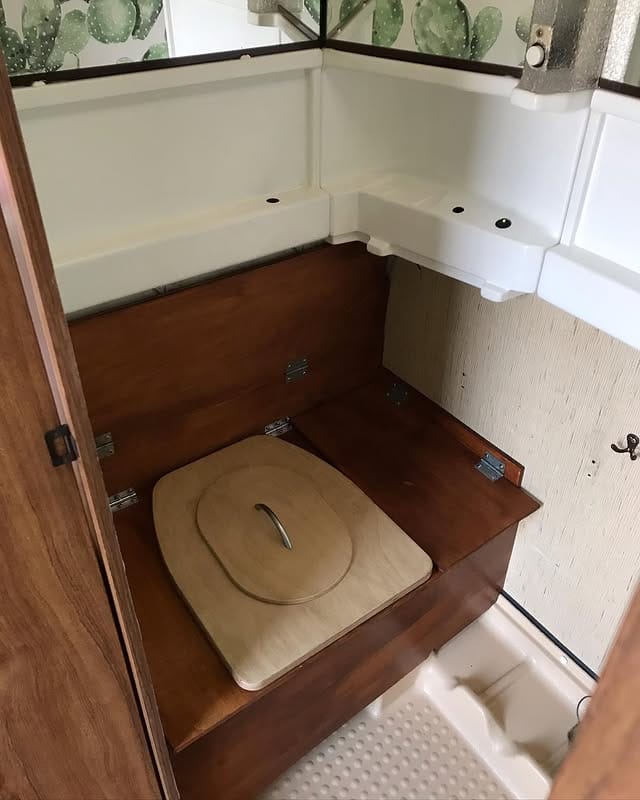
Nothing can sour a camping trip or full-time RV living experience faster than a persistent, unpleasant odor emanating from your camper toilet. This common issue is more than just a nuisance; it can indicate improper maintenance, chemical imbalance, or even underlying damage. As veteran RVer and maintenance expert, Mike Carlson, notes:
“A smelly RV toilet is almost always a sign of a simple maintenance issue that’s been overlooked. In my 15 years on the road, I’ve found that consistent, proper care is 99% of the battle. That lingering odor is your toilet’s way of asking for help.”
Understanding the source is the first step to a solution. Odors typically arise from a combination of waste breakdown, bacterial growth, chemical failure, or dried-out seals. This comprehensive guide will walk you through a structured approach to not just mask, but permanently eliminate these odors.
Section 1: Immediate Action Steps for Odor Removal
When you’re faced with a strong odor, you need a quick, effective response. Follow this immediate action checklist:
- Ventilate: Open bathroom vents and windows immediately. Create cross-ventilation to flush out stagnant, smelly air.
- Inspect the Bowl & Seal: Check for debris stuck under the rim or on the blade seal. A small piece of waste or toilet paper can cause a major smell.
- Check Tank Levels: Ensure your black tank has enough water. A dry tank accelerates odor problems. Add 2-3 gallons of water if needed.
- Apply a Quick Treatment: Use a fast-acting, enzyme-based treatment or a recommended dose of your regular holding tank chemical to start breaking down waste and odor-causing bacteria.
Section 2: Choosing the Right Products: A Comparative Analysis
The market is flooded with solutions, but they are not created equal. Your choice depends on your tank type, environmental concerns, and odor severity.
Comparison of Primary Camper Toilet Chemical Types
| Product Type | How It Works | Pros | Cons | Best For |
|---|---|---|---|---|
| Formaldehyde-Based | Kills all bacteria & pathogens; powerful deodorant. | Extremely effective, long-lasting odor control. | Harsh chemicals, toxic to environment, can harm tank sensors. | Severe odor cases; short-term use only. |
| Enzyme & Bacteria-Based | Uses natural bacteria/enzymes to digest waste & odors. | Eco-friendly, safe for all systems, continuous cleaning. | Slower to act, can be less effective in very cold temps. | Regular maintenance; eco-conscious RVers. |
| Chemical Deodorant (Non-Form.) | Masks odor with fragrance and neutralizes some bacteria. | Good immediate odor control, widely available. | Can just mask (not eliminate) odor; may contain harsh perfumes. | Mild odor issues; supplemental use. |
| Water-Soluble Pods & Gels | Pre-measured formulas that dissolve and treat tank. | Convenient, no-mess, often combine digester + deodorant. | Can be more expensive per treatment; may not dissolve fully in cold water. | Convenience seekers; consistent dosing. |
Expert Insight: “I always recommend starting with an enzyme-based system for routine care,” says Carlson. *“It’s like having a little cleanup crew working 24/7 in your tank. Save the heavy chemical ‘reset’ for when you’ve neglected the system or have a truly foul problem.”*
Section 3: The Step-by-Step Deep Clean & Odor Elimination Protocol
For a persistent smell, a deep clean is necessary. Perform this protocol seasonally or when odors persist.
Step 1: The Power Flush
- Drain your black tank completely.
- Use a dedicated black tank flush system (built-in or wand) to spray high-pressure water around the entire tank interior, dislodging stuck waste and “pyramid” buildup.
Step 2: The Cleaning Solution
- Close the tank valve and add 3-5 gallons of fresh water.
- Choose ONE of the following powerful cleaners:
- Commercial RV Tank Cleaner: Follow bottle instructions.
- DIY Solution: 1 cup borax, 1/4 cup citric acid, and 2 gallons hot water. (Avoid bleach, which can damage seals and react with other chemicals).
- Add solution to the tank via the toilet.
Step 3: Agitate and Soak
- Drive around or rock the camper to slosh the solution. Let it sit for several hours or overnight.
Step 4: The Grand Finale
- Drain the tank completely at a dump station.
- Follow with another thorough power flush with clean water until the runoff is clear.
Section 4: Proactive Maintenance: Your Blueprint for an Odor-Free Future
Prevention is infinitely easier than cure. Implement these habits:
- The Rule of Plenty: Never let your black tank go dry. Always maintain 2-3 gallons of water and treatment solution at the bottom.
- The Pre-Dump Ritual: Always add extra water (another gallon or two) and let it slosh before dumping to ensure a clean, complete evacuation.
- The Seal Savior: Regularly lubricate the toilet blade seal with a silicone-based lubricant (like plumber’s grease) to prevent drying, cracking, and odor seepage.
- The Vent Check: Ensure your black tank vent (on the roof) is not blocked by debris. A clogged vent prevents proper airflow and traps odors.
Section 5: Troubleshooting Persistent Odors
If the smell returns after a deep clean, investigate these less common culprits:
- Clogged Roof Vent: A blocked vent stack is a frequent offender. Listen for a gurgling toilet when flushed.
- Faulty Seal: A dried or damaged seal on the toilet blade or tank valve can allow gases to escape.
- Improperly Sealed Toilet Base: The wax or putty seal connecting the toilet to the floor can fail.
- Gray Tank Backflow: Ensure your gray tank (sink/shower water) valve is closed when not dumping. An open valve can allow odors to travel up the drain pipes.
Conclusion: Reclaim Your Fresh-Air Freedom
Eliminating camper toilet odor is a blend of using the right products, performing regular deep cleans, and establishing diligent daily habits. By moving away from simply masking smells with heavy perfumes and toward a strategy of biological digestion and mechanical cleaning, you create a sustainable, odor-free environment.
Start with the immediate actions, invest in a quality enzyme treatment, schedule your seasonal deep clean, and commit to the proactive maintenance steps. Your nose—and your camping companions—will thank you. The open road is meant to be filled with the scents of pine trees and campfires, not anything else. Happy—and fresh—travels!