How to Clean Your Kitchen Sink
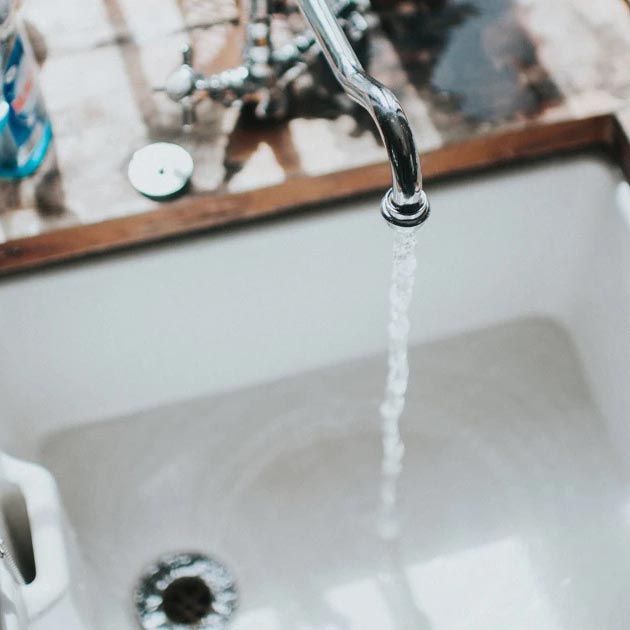
Cleaning your kitchen sink doesn’t have to feel like a full-scale operation. You don’t need 10 different sprays or a collection of specialty scrubs.
Most of the time, dish soap, a sponge, and hot water take care of the majority of issues.
But here’s where it gets easier for you, once you learn what causes dullness, grime, and those moments where you end up unblocking a sink, you can finally clean with intention instead of guesswork.
This blog shares a simple system you can use every day without adding anything extra to your cupboard.
1. Cleaning Routine Breakdown (Daily, Weekly, Deep Clean)
You don’t need a complicated routine to keep your sink looking good. When you split the job into daily habits, a quick weekly tidy-up, and the occasional deep clean, the whole thing becomes way easier.
So before you start, it helps to know exactly what builds up on the surface and why it matters. Below are the things you should be cleaning regularly.
- Food residue
- Grease buildup that sticks to the surface
- Soap scum that collects around the bowl & fixtures
- Water spots from minerals in tap water
- Bacteria around drains
2. Kitchen Sink Cleaning Routine Table
If you like having a clear plan, this table gives you a quick overview of the steps that keep your sink looking its best.
| Routine | What You Clean | Tasks to Do |
| Daily | Food residue, grease, soap scum, bacteria around drains | Wash sink with dish soap and warm water Scrub around drains and fixtures with a soft sponge Dry the sink to prevent water spots |
| Weekly | Light stains, buildup on accessories, mineral residue | Sprinkle baking soda & scrub stains Add white vinegar for extra cleaning power Wash sink accessories (grids, strainers, stoppers) |
| Occasional | Deep grime, hidden buildup, dull stainless steel | Pour boiling water over the sink to refresh shine Fill the sink with hot water and a mild cleaner Let it soak to loosen stubborn residue |
3. Wash sink accessories (grids, strainers, stoppers) to keep everything hygienic
Wash accessories with hot, soapy water, scrub tight corners with a small brush, and let them fully dry. For deeper cleaning, soak them in a baking soda + vinegar mix or a mild disinfectant once a week.
What collects the most bacteria?
- Sink grids
- Strainers
- Stoppers
- Drain covers
- Tap aerators
- Dish racks sitting inside the sink
- Underside of soap trays
What items get dirty faster than you think?
- Cutting board mats that rest in the sink
- Colanders used for pasta or rinsing veggies
- Silicone sink caddies
- Scrubber holders
- Metal racks used for drying pans
Rinse off food bits immediately, scrub with dish soap, and run dishwasher-safe pieces through the dishwasher. Spot-clean anything with nooks and grooves using a sponge or old toothbrush.
4. Pour boiling water over a stainless-steel sink to help it shine
If you’ve ever felt like your sink needs something stronger than a sponge, you’re right. Sometimes no amount of scrubbing brings back that shine, and it gets frustrating.
Stainless steel picks up hard water spots, holds onto fingerprints, and collects that cloudy residue from dish soap. So it’s no surprise your sink looks dull, even when you’ve just cleaned it.
That’s where heat makes a huge difference.
Hot water creates a quick temperature shift that loosens grime, softens greasy patches, and lets steam lift away that cloudy film. So instead of scrubbing in circles, you let the heat do the heavy lifting. And because hot water evaporates fast, you’re not left dealing with streaks afterward.
5. Dry the sink after cleaning to prevent water spots
Stainless steel loves to show every tiny mark, and most of those “mystery spots” come from what’s left behind after the water dries.
Water spots form because of:
- Minerals in hard water that stay on the surface as the water evaporates
- Soap residue you don’t notice until it dries into a cloudy film
- Water pooling around fixtures, corners, and seams
So even if your sink looks clean when it’s wet, those minerals and residues will settle in place as soon as the water dries. Don’t leave the sink to air-dry. Water droplets leave behind minerals and soap residue that turn into cloudy marks. Use a microfiber towel, lint-free cloth, or even paper towels in a pinch to stop spots before they form.
Cheapest Products for Any Sink-Cleaning Routine
You don’t need pricey specialty products to keep your sink looking great, so here’s a quick list of budget-friendly cleaners that actually work.
| Product | Best For | Type | Price Range |
| Bar Keepers Friend | Tough stains, mineral build-up | Powder/Cleanser | $8.70 for 340 g at Woolworths |
| Weiman Stainless Steel Cleaner & Polish | Polishing + shine | Spray/Polish | $28.95 for 227 g in AU |
| Hillmark Steel Kleen | Stainless steel cleaning | Spray | $9.40 to ~$15 for 250 mL |
| Franke Twister Cleaning Paste | High-end sinks needing deep care | Paste | $25.00 (sale price) |
A Simple Game Plan for a Better-Looking Kitchen
You’ve seen how easy it is to keep your sink clean with a few simple habits. You’ve also seen what causes streaks, spots, and buildup.
Begin with clean daily, scrub weekly, deep-clean occasionally, and dry every time. You can keep baking soda, dish soap, and a microfiber cloth within reach.
You get a kitchen that feels more organised, more polished, and more welcoming. And you didn’t have to overhaul your routine to get there. You just needed the right steps.
Want more simple cleaning tricks like this? Check out Beaver Maids for everyday tips that make home care easier.