How to Clean Yellow Drips on Bathroom Walls: A Complete Guide
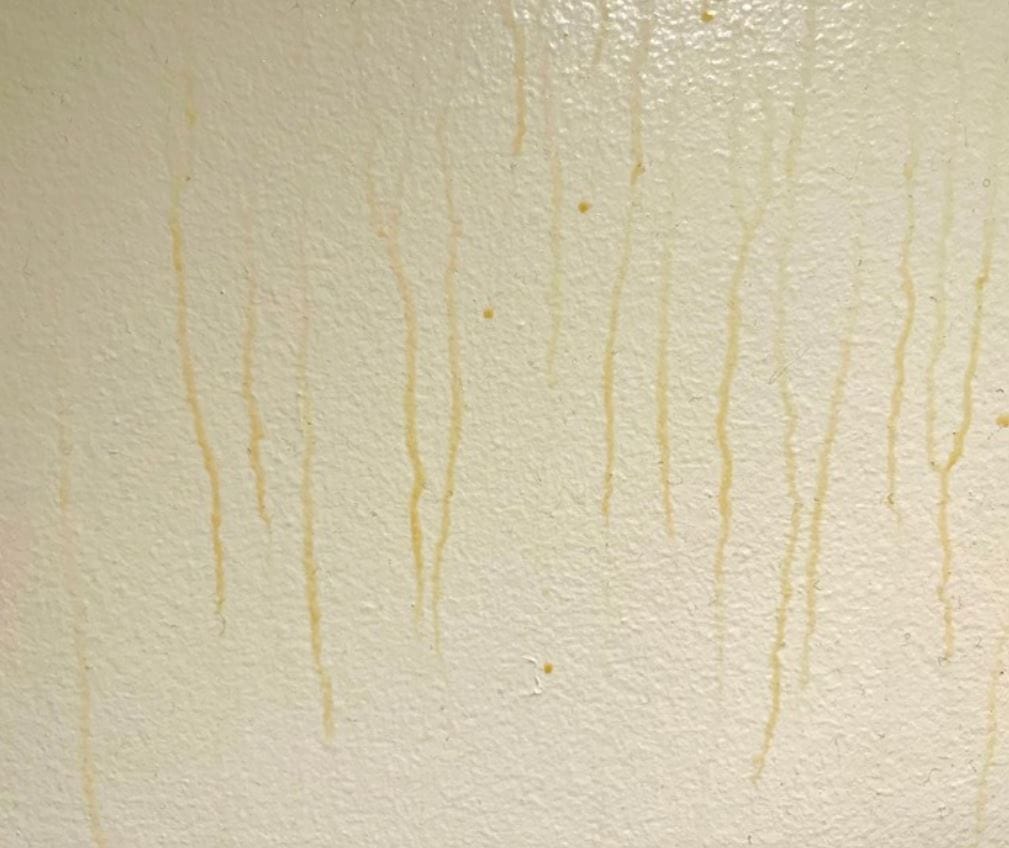
Noticing yellow, sticky drips running down your bathroom walls is frustrating. You scrub them away, only to watch them return a week later. These streaks are not just dirt; they are usually a chemical reaction called surfactant leaching (often mistaken for nicotine).
This guide explains exactly what causes these yellow drips and provides a step-by-step method to remove them permanently using common household products.
What Are Those Yellow Drips? (And Why Scrubbing Fails)
Before cleaning, you must identify the source. The table below helps you diagnose the problem.
| Type of Stain | Primary Cause | Texture | Common Location |
|---|---|---|---|
| Surfactant Leaching | Condensation mixing with paint softeners (from cheap latex paint). | Waxy, sticky, shiny | Above showers, high-humidity corners. |
| Nicotine/Tar | Cigarette smoke + steam. | Brownish-yellow, gummy | Entire wall surface, worst near ceilings. |
| Hard Water Drips | Evaporated mineral deposits (iron/manganese). | Crusty, rough | Below faucets or leaking pipes. |
| Rust | Corroded metal screws or pipes behind drywall. | Orange-yellow, fluid | Vertical lines matching wall studs. |
Why scrubbing fails: Simply wiping surfactant leaching spreads the waxy film. You need a chemical solvent to break the bond, not just friction.
How to Clean Yellow Drips (Step-by-Step)
Step 1: The Test Patch
Mix 1 tablespoon of white vinegar with 2 cups of warm water. Apply to a hidden corner (behind the toilet). Wait 10 minutes. If the paint bubbles or comes off, stop—your paint is water-soluble.
Step 2: Choose Your Cleaning Method
Select a method based on your stain type from the table below.
| Cleaning Agent | Best For | How to Apply | Safety Note |
|---|---|---|---|
| Degreasing Dish Soap | Light surfactant drips (new paint) | Sponge + hot water; rinse well. | Safe for all paint. |
| White Vinegar (50/50 with water) | Hard water & mild surfactant | Spray, let sit 5 mins, wipe downward. | Do not use on unsealed grout. |
| Baking Soda Paste | Sticky nicotine residue | Mix with water, apply with soft brush. | Slightly abrasive; test first. |
| Trisodium Phosphate (TSP) | Heavy surfactant leaching (repainting prep) | Wear gloves; 1/2 cup per gallon warm water. | Toxic; ventilate room. |
| Magic Eraser (Melamine foam) | Rust drips & surface yellowing | Dampen, gently rub (no added chemicals). | Can dull glossy paint. |
Step 3: The Professional Technique (For Surfactant Leaching)
If you have the common “sticky yellow drips” from new paint:
- Do not use water alone. Water makes surfactant drips worse.
- Mix 1 part white vinegar + 1 part warm water + 2 drops of dish soap.
- Dip a microfiber cloth. Wring it almost dry (damp, not wet).
- Wipe from the bottom of the drip upward to lift, then switch to a clean side to wipe downward.
- Dry immediately with a clean towel.
Step 4: Prevent Recurrence
After cleaning, you must stop the moisture source.
- Install a stronger exhaust fan (run for 30 minutes post-shower).
- Use a squeegee on walls after every shower (reduces condensation by 70%).
- Repaint with high-quality acrylic paint (Cheap paint contains excess surfactants).
When to Repaint vs. Just Clean
| Condition | Action | Estimated Time |
|---|---|---|
| Drips reappear within 1 week | Deep clean with TSP + repaint with bathroom-specific paint (e.g., semi-gloss). | 3 hours + drying time. |
| Drips return monthly | Just clean with vinegar; improve ventilation. | 15 minutes. |
| Paint feels sticky to touch | Surfactant is embedded; you must repaint after washing with TSP. | 2 hours. |
3 Things Never to Do
- Never use bleach. It reacts with surfactant to create yellow chlorinated residue that is worse than the original stain.
- Never use a pressure washer (yes, some try this). It forces moisture behind the drywall, causing mold.
- Never ignore brown drips from ceiling vents. That indicates a roof leak or AC condensate pan overflow—call a plumber.
Final Checklist
To clean yellow drips on bathroom walls successfully:
- Identify the stain type (use the first table).
- Test your cleaning solution on a hidden spot.
- Use a damp (not wet) cloth to avoid watermarks.
- Dry the wall immediately with a fan or towel.
- Run the exhaust fan for 30 minutes after cleaning.
Bottom line: For most homeowners, a 50/50 vinegar-water solution plus a dry microfiber cloth removes 90% of yellow drips. If they return within days, the paint itself is faulty, and no cleaning will fix it—you must repaint using a semi-gloss or satin bathroom paint.