How to Clean Thermoplastic Elastomer (TPE) Safely and Effectively
Thermoplastic Elastomer, commonly known as TPE, has become a superstar material in the manufacturing world. You can find it in everything from soft-grip toothbrushes and phone cases to yoga mats, adult toys, and automotive parts. Loved for its rubber-like feel and recyclability, TPE is everywhere .
However, if you own a TPE product, you might have noticed one frustrating quirk: it gets dirty easily. That soft, velvety texture that feels so good in your hand also acts like a magnet for dust, lint, and oils . Cleaning it the wrong way can lead to disaster—think swelling, stickiness, or even permanent damage.
So, how do you clean Thermoplastic Elastomer without ruining it? This guide compiles expert advice and manufacturer recommendations to help you restore your TPE items to their former glory.
Why TPE is a Magnet for Dirt (And Sensitive to Harsh Cleaning)
Before we dive into the “how,” it helps to understand the “why.” TPE is inherently soft and slightly tacky. This tackiness is what gives it its grip, but it also means it loves to grab onto dust, hair, and skin oils .
Furthermore, many TPE formulations are porous on a microscopic level. Unlike silicone, which is non-porous and hygienic, TPE can absorb oils and harbor bacteria if not cleaned properly . This porosity also makes it vulnerable to harsh chemicals and high heat, which can break down its molecular structure .
The Golden Rules: What to AVOID
To keep your TPE in top shape, remember these “never evers”:
- No High Heat: Never use boiling water, steam cleaners, or a dishwasher. Temperatures above 50°C (122°F) can cause the material to warp or melt . TPE cannot be sterilized like silicone .
- No Harsh Chemicals: Avoid bleach, acetone, strong solvents (like gasoline or nail polish remover), and even heavily fragranced soaps. These can degrade the surface, leading to discoloration or stickiness .
- No Abrasive Scrubbing: Steer clear of hard brushes, scrubby sponges, or rough cloths. They will scratch the soft surface, creating more places for dirt to hide .
Step-by-Step Guide: How to Clean TPE
For 99% of everyday dirt and grime, this is the safest and most effective method recommended by manufacturers .
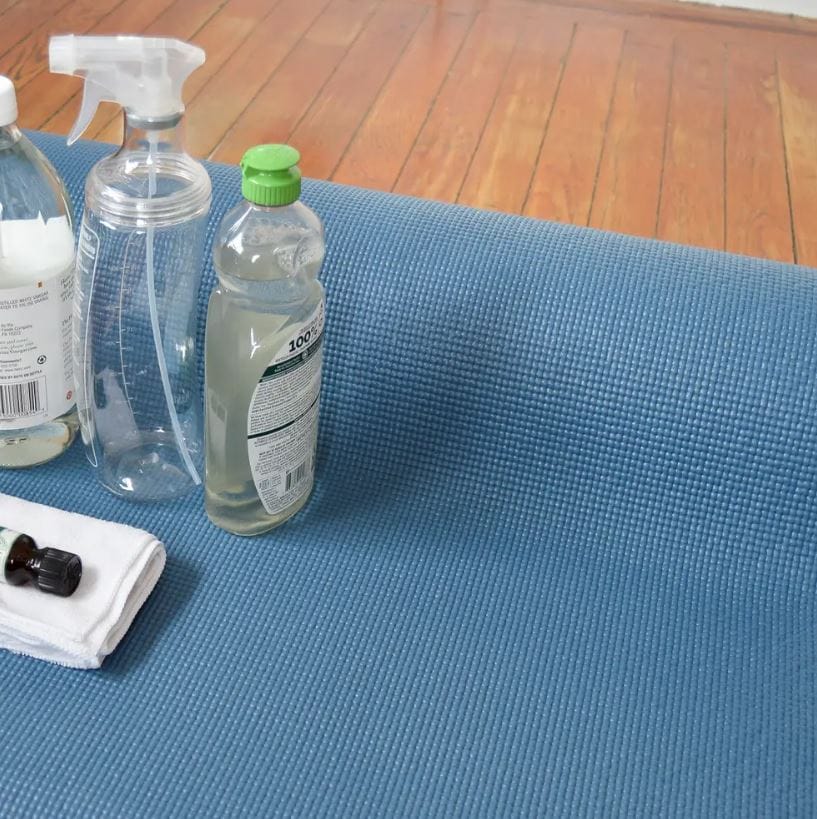
What You’ll Need:
- Warm water (around 30-40°C, or bath-temperature)
- Mild soap: A pH-neutral dish soap or a specialized toy cleaner (if applicable) is ideal .
- Soft cloths: Microfiber or lint-free cotton cloths.
- Soft-bristled brush (optional, for textured surfaces).
The Process:
- Prepare the Solution: Mix a small amount of your mild soap with the warm water.
- Wipe Down: Dip your soft cloth into the soapy water, wring it out well (you don’t want it dripping wet), and gently wipe the entire surface of the TPE item.
- Tackle Crevices: For textured areas or grooves, use a soft-bristled brush (like a clean toothbrush) to gently lift dirt.
- Rinse Thoroughly: Use a clean cloth dampened with plain water to wipe away all soap residue. Leftover soap can attract more dirt later .
- Air Dry: Place the item on a clean, dry towel in a cool, well-ventilated area away from direct sunlight. Never use a hairdryer or heater to speed up the process .
Dealing with Specific Problems
Sometimes, a simple soap-and-water wash isn’t enough. Here’s how to handle tougher situations:
Tackling “Sticky” Surfaces or Oil Residue
Sometimes, TPE can develop a sticky film due to plasticizer migration (“weeping”) or absorbed body oils .
- Isopropyl Alcohol (IPA): Dabbing a cloth with 70% isopropyl alcohol can effectively cut through grease and sticky residue. However, use this sparingly. While many manufacturers approve it for spot treatment, overuse can dry out the material over time .
- Baking Soda Paste: For deep-set grime, make a paste of baking soda and water. Gently rub it onto the problem area with your fingers or a soft cloth, then rinse thoroughly. Be cautious, as baking soda can be slightly abrasive .
Deep Cleaning for Industrial Parts
In a manufacturing setting, TPE parts might need cleaning to remove mold release agents or machine oils before further processing.
- Solvent Wiping: For industrial cleaning, solvents like Isopropyl Alcohol (IPA) or specialized industrial cleaners are used. The key is to wipe the surface, not soak the part, and ensure complete drying afterward .
- Ultrasonic Cleaning: For complex parts, professional ultrasonic cleaning with a mild aqueous solution can be highly effective .
Method Comparison: Which Cleaner Should You Use?
To help you choose the right cleaning agent for the job, here is a comparison of common methods.
The Critical Post-Care: Drying and Storage for TPE
Cleaning is only half the battle. How you dry and store TPE is just as important for its longevity.
Drying: The Pat-Down is Key
TPE can absorb water if left to soak. After rinsing, pat the item dry with a lint-free cloth. Don’t rub or scrub, as this can create friction damage. For items with complex shapes, let them air-dry completely in a cool place to ensure no moisture is trapped in crevices .
Powdering: The Secret to a “Like-New” Feel
After the TPE is 100% dry, you might notice it feels a bit tacky. This is normal. To restore that silky, soft texture, apply a light dusting of cornstarch or a specialized renewal powder. This absorbs any residual moisture and prevents the surface from becoming sticky during storage .
Storage: No Hugging Allowed!
This is the most common mistake people make.
- Keep them separate: TPE can react with other materials, especially silicone and certain hard plastics. If stored touching a silicone toy, for example, the TPE can break down and become gooey .
- Use fabric bags: Store each TPE item individually in a cotton or velvet pouch. This protects them from dust while allowing them to breathe.
- Avoid airtight containers: Plastic bags or sealed boxes can trap moisture, leading to mold or bacterial growth.
- Keep it cool: Store your TPE items in a cool, dark place, away from direct sunlight and heat sources .
TPE vs. Other Materials: A Quick Comparison
Understanding how TPE compares to other common materials helps clarify why it needs such specific care.
Conclusion: A Little Care Goes a Long Way
Cleaning Thermoplastic Elastomer doesn’t have to be a chore. By understanding its soft, slightly sticky nature, you can avoid the common pitfalls that lead to damage. Stick to mild soap and water for regular cleaning, use alcohol sparingly for tough spots, and always prioritize proper drying and storage. With these tips, your TPE products will stay looking fresh, feeling soft, and performing well for years to come.