How to Clean Storm Windows Like a Pro
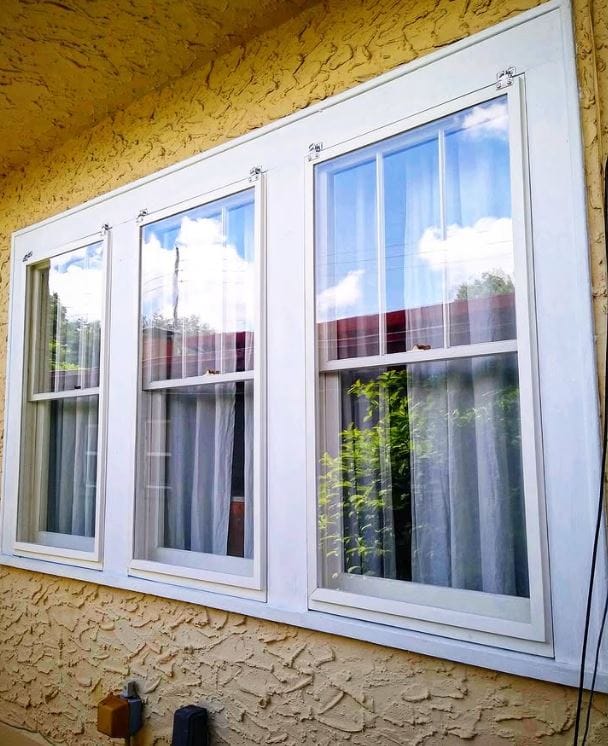
Keeping your storm windows clean is about more than just curb appeal. It is a critical maintenance task that extends the life of the windows, protects your home from the elements, and maximizes natural light. Clean storm windows allow you to enjoy unobstructed views while ensuring the protective barrier against weather is functioning correctly .
However, cleaning storm windows requires a specific approach. Because they are often removable and have both interior and exterior surfaces, using the wrong technique can lead to scratches, water damage, or even breakage. In this comprehensive guide, we will walk you through the professional process of cleaning storm windows, compare DIY methods versus hiring pros, and answer your most frequently asked questions.
Why Clean Storm Windows?
Before diving into the “how,” it is important to understand the “why.” Storm windows are your home’s first line of defense against rain, wind, and debris. Over time, they accumulate dirt, pollen, and mineral deposits .
- Prevent Damage: Dirt and grime can trap moisture against the frame, leading to rot in wooden frames or corrosion in aluminum ones.
- Improve Efficiency: A clean surface allows the glass to reflect heat properly, contributing to better insulation.
- Health: Regular cleaning reduces allergens like pollen and mold spores that settle on window sills and frames.
Method 1: Cleaning Removable Storm Windows
Most modern storm windows are designed to be removable for easy cleaning and storage. This is the safest and most effective method.
Step 1: Safe Removal
Carefully lift the storm window from its frame. For double-hung windows, they usually slide up and tilt inward or are held in place by clips. Safety Note: If you are removing windows from an upper story, ensure you are stable and have a secure grip. Some older aluminum windows can be heavy and awkward.
Step 2: Prepare Your Cleaning Station
Lay the window flat on a soft surface like an old blanket or a tarp on the lawn. This prevents the frame from scratching and allows you to work safely. Avoid leaning the window against a wall while cleaning, as the pressure can cause the glass to crack.
Step 3: The Cleaning Process
Start by rinsing the window with a garden hose to remove loose dirt and dust. This prevents scratching during the washing phase.
- Wash: Use a bucket of warm water mixed with a few drops of mild dish soap (Dawn is a popular choice). Using a soft sponge or a microfiber cloth, wash the glass and the frame.
- Scrub: For stubborn grime on aluminum or vinyl frames, use a soft-bristled brush. Avoid steel wool or abrasive pads, as they will scratch the finish.
- Rinse Thoroughly: Soap residue can attract more dirt. Rinse the window completely with the hose.
Step 4: The Drying & Detail
This step is crucial for a streak-free finish. Use a squeegee for the glass and a microfiber cloth for the edges.
- Run the squeegee horizontally from the top, wiping the blade with a cloth after each pass.
- Immediately dry the edges and frame with a microfiber cloth to prevent water spots.
Step 5: Reinstallation
Before popping the window back in, take a moment to clean the tracks and sill where the window sits. A vacuum attachment or a damp cloth works well here. Once the sill is clean and dry, reinstall the storm window.
Method 2: Cleaning Fixed Storm Windows
If your storm windows are not removable (common in older homes or specific casement styles), you will be cleaning them in place.
Step 1: Gather Extended Tools
You will need a ladder (if on the second story), a garden hose with a spray nozzle, a bucket, a long-handled squeegee, and a lint-free applicator (or a sponge on a pole).
Step 2: Wet and Soap
Just like with removable windows, start by hosing down the window. Then, using your applicator and soapy water, wash the glass thoroughly, ensuring you cover the corners where grime builds up.
Step 3: Squeegee Technique
Starting at the top corner, pull the squeegee down in a straight line. Wipe the blade with a cloth after each pass. Overlap your strokes slightly to avoid missing spots.
Step 4: Detail the Frame
Use a cloth to wipe down the exterior frames. If they are aluminum, be careful of sharp corners.
DIY vs. Professional Storm Window Cleaning
When optimizing content for “how to clean storm windows,” it is essential to help the user decide if they should tackle this themselves or hire a specialist. According to industry research, customers often search for “window cleaning near me” when the job becomes too difficult or time-consuming .
Best Products and Tools to Use
Using the right tools is 50% of the job. Here is a quick comparison of essential gear:
| Tool/Product | Best For | Why? |
|---|---|---|
| Squeegee (Rubber) | Glass surfaces. | The only tool that guarantees a streak-free finish if used correctly. |
| Microfiber Cloths | Drying edges and detailing frames. | Lint-free and highly absorbent. |
| Dawn Dish Soap | Breaking down grease and grime. | Cheap, effective, and doesn’t leave a residue like some glass cleaners. |
| White Vinegar Solution | Eco-friendly cleaning / hard water spots. | A natural alternative to chemicals; great for vinyl frames. |
| Soft-Bristle Brush | Scrubbing screen frames and window tracks. | Reaches into corners without scratching paint or metal. |
Common Mistakes to Avoid
To ensure your storm windows remain in top condition, avoid these common pitfalls:
- Cleaning in Direct Sunlight: This causes the cleaning solution to dry too quickly, leaving behind streaks and soap scum that are almost impossible to remove without re-washing .
- Using Ammonia-Based Cleaners on Vinyl Frames: Over time, harsh chemicals like ammonia can discolor and degrade vinyl window frames.
- Forgetting the Weep Holes: Storm windows have small holes (weep holes) at the bottom to allow moisture to escape. If these get clogged with dirt, water will pool in the frame and cause damage. Clean them out with a wire or pipe cleaner.
- Neglecting the Screens: A clean window with a dirty screen defeats the purpose. Wash screens with soapy water and a soft brush, rinse them with a hose, and let them air dry completely before reinstalling.
Seasonal Maintenance Tips
To keep your storm windows shining all year, integrate them into your seasonal home maintenance routine.
- Spring: This is the heavy cleaning season. Remove winter grime, pollen, and prepare for open-window weather. Clean both sides of the glass and the tracks.
- Summer: Spot clean as needed. If you have window air conditioning units, check the seal and cleanliness of the storm window above it.
- Fall: This is the most critical time. Clean windows allow maximum solar heat gain. Also, check the weather-stripping and seals to ensure they are tight before winter.
- Winter: Generally, avoid exterior washing as freezing temperatures can cause ice dams and damage. Focus on interior condensation control.
Conclusion
Cleaning your storm windows is a straightforward task that yields significant rewards in terms of home comfort, energy efficiency, and appearance. Whether you choose the DIY route for a single-story home or hire professionals for a multi-story property, regular maintenance is key.
Remember, a professional-grade finish comes down to technique: wash, rinse, squeegee, and detail. By following the steps in this guide and avoiding common mistakes, you can ensure your view of the world is always crystal clear.