How to Clean a Sticky Steering Wheel: A Professional’s Guide to Restoring Factory Grip
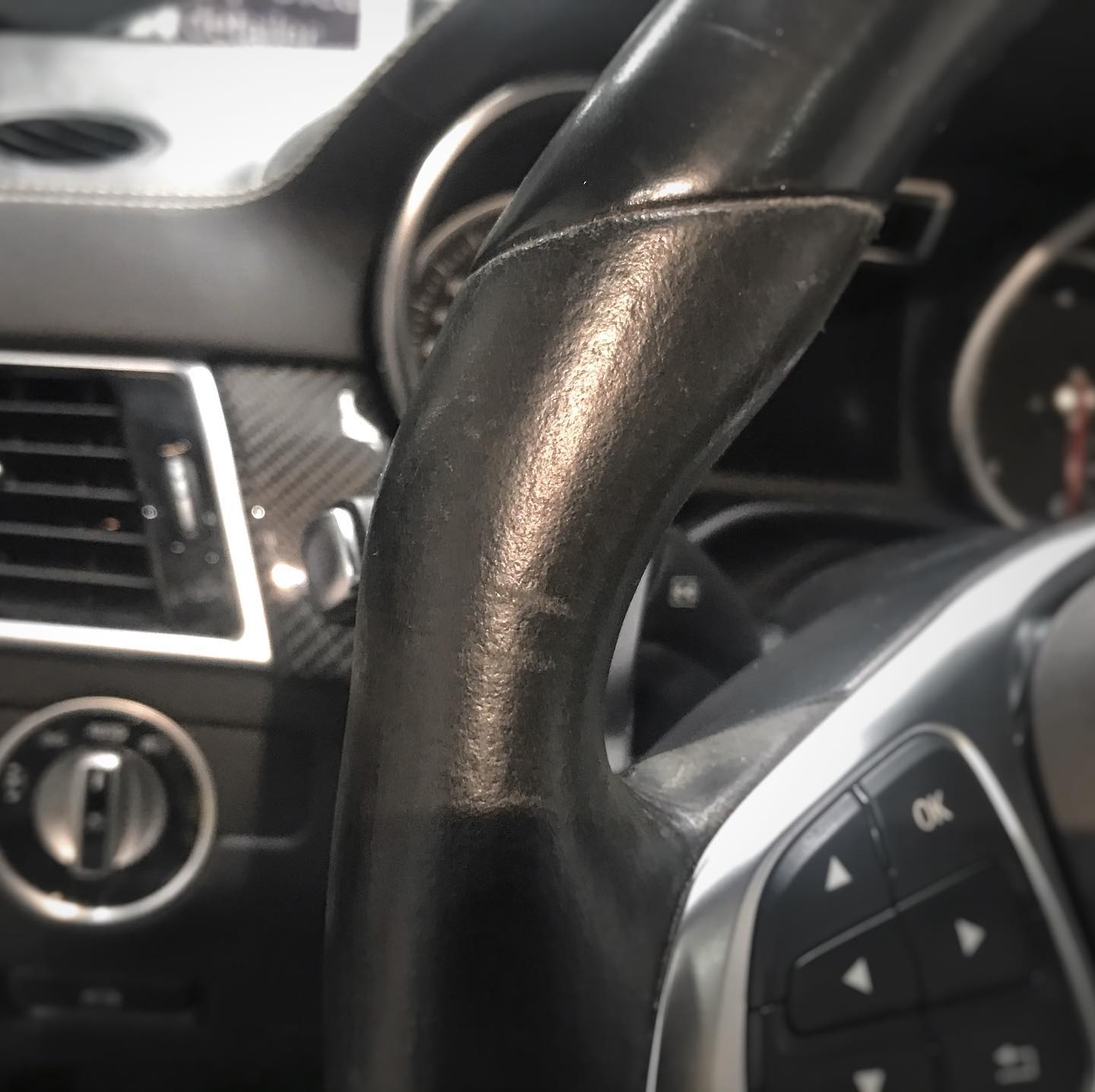
A sticky steering wheel is not just an annoyance; it is a safety hazard. When the surface becomes tacky, your hands can slip during critical maneuvers, and the residue often transfers onto your palms and clothing.
This guide provides a science-backed, step-by-step process to remove stickiness without damaging the leather, vinyl, or polyurethane materials. We will cover why this happens, which cleaners work, and how to prevent recurrence.
Why Steering Wheels Become Sticky (The Chemistry)
Before cleaning, understand the cause. Factory steering wheels are coated with a protective clear coat or soft-touch paint. Over time, three factors degrade this coating:
- UV & Heat Damage: Sunlight breaks down polymer bonds, creating a tacky, semi-liquid residue.
- Oleic Acid from Skin: Hand oils penetrate micro-cracks, dissolving the top layer.
- Harsh Cleaners: Ammonia-based or alcohol-heavy wipes strip the coating, accelerating degradation.
Critical Warning: Do not use bleach, pure rubbing alcohol, or all-purpose kitchen degreasers. These will permanently melt the coating into a permanent glue-like state.
Pre-Cleaning Assessment: Material & Severity
Not all stickiness is equal. Use the table below to diagnose your steering wheel before selecting a cleaning method.
| Material | Common Vehicles | Sticky Risk | Allowed Cleaners | Forbidden Cleaners |
|---|---|---|---|---|
| Genuine Leather | Luxury, mid-range sedans | Low-moderate | Leather soap, diluted woolite | Alcohol, bleach, acetone |
| Polyurethane (PU) | Most economy cars, 2010-2020 models | High | pH-neutral APC (10:1), distilled water | Degreasers, citrus solvents |
| Vinyl (PVC) | Trucks, older vehicles | Moderate | Mild soap + water | Silicone-based dressings |
| Wood/Plastic combo | Classic/executive cars | Low (only on plastic parts) | Isopropyl alcohol (70% max) | Abrasive pads |
If the coating is flaking or bubbling: You cannot clean this away. The top layer has failed. Your only options are a professional re-wrap, a sew-on cover, or replacement.
Step-by-Step: How to Clean a Sticky Steering Wheel
Phase 1: Dry Decontamination (Remove Loose Residue)
Do not add liquid to sticky residue immediately. You will just spread the glue.
- Use microfiber cloth only (no paper towels—they contain lignin that scratches).
- Gently wipe the entire wheel with dry cloth to pick up loose dirt and oxidized coating flakes.
- Use a soft-bristled detailing brush (toothbrush works) to dislodge residue from stitching and thumb-grip grooves.
Phase 2: The Gentle Wash (For light to moderate stickiness)
Mix a pH-neutral solution:
- 1 cup warm distilled water
- 1 drop of unscented dish soap (Dawn Free & Clear) or 1 tsp woolite for leather.
| Action | Do This | Avoid This |
|---|---|---|
| Application | Mist onto microfiber, not directly on wheel. | Spraying directly saturates seams and electronics. |
| Wiping motion | Circular, light pressure. | Aggressive scrubbing (removes paint). |
| Rinsing | Wipe with a second damp (water-only) cloth. | Leaving soap residue. |
| Drying | Pat dry immediately with fresh microfiber. | Air drying (traps moisture in stitching). |
Phase 3: Stubborn Stickiness Removal (Chemical Stripping)
If the wheel is still tacky after Phase 2, you need to dissolve the degraded coating without destroying the base material.
For PU/vinyl wheels (most common):
Use isopropyl alcohol (70%) diluted 1:1 with distilled water.
- Apply to a dense microfiber.
- Wipe a small 2-inch section. You will see brown/yellow residue on the cloth. This is the dissolved coating.
- Work in sections, changing cloth sides every 30 seconds.
- Stop immediately if the cloth shows black base material.
For leather wheels:
Use leather-specific cleaner (e.g., Lexol, Chemical Guys). Do not use alcohol. If stickiness persists, it is likely hand-oil buildup. Use a leather brush with cleaner.
Phase 4: Neutralization & Protection
After removing stickiness, the surface is chemically vulnerable.
- Neutralize: Wipe entire wheel with distilled water on a clean cloth to remove any cleaner residue.
- Protect (for leather only): Apply a matte UV protectant cream (no silicones). Avoid shiny dressings—they become sticky again.
- Protect (for PU/vinyl): Do not apply dressings. Leave it matte. If you need protection, use a ceramic spray for interiors (e.g., Gyeon Quartz Q2).
The “Do Not Use” Comparison Table
Many common household products will ruin your steering wheel permanently. Compare the effects below:
| Product | Immediate Result | Result After 2 Weeks | Permanent Damage? |
|---|---|---|---|
| Clorox/Lysol wipes | Tackiness disappears | Extreme stickiness returns, worse than before | Yes (clear coat dissolved) |
| Goo Gone | Very slippery, feels clean | Sticky residue from the citrus oil remains | Yes (oil permeates plastic) |
| Hand sanitizer | Quick drying | Accelerated cracking & peeling | Yes (denatured alcohol strips plasticizers) |
| Magic Eraser | Smooth surface | Matte, dull, unprotected area | Yes (abrasive removes grain texture) |
| Leather conditioner | Feels greasy | Dust magnet, becomes sticky again | No, but not helpful |
Prevention: How to Keep the Wheel Clean
Once restored, maintain the factory finish:
- Install a windshield sun shade – UV heat is the #1 cause of stickiness.
- Clean every 2 weeks with a dry microfiber after driving. Sweat and oil start degrading coatings within 24 hours.
- Use steering wheel cover during summer (breathable microfibre or perforated leather only—avoid neoprene or silicone covers, which trap moisture).
- Wash hands before driving – Hand lotions contain esters that soften plastics.
When to Call a Professional
If after following this guide the wheel remains sticky or becomes gummy, the polymer has hydrolyzed. No cleaning product will fix this. A professional auto upholsterer can:
- Sand and recoat the wheel ($80–$150)
- Rewrap in genuine leather ($200–$400)
- Replace the wheel entirely ($300–$800)
Final Verdict: Quick Reference
| Severity | Solution | Time | Success Rate |
|---|---|---|---|
| Light tackiness (dust + oil) | Dry microfiber + pH-neutral soap | 10 min | 95% |
| Moderate stickiness (coating degradation) | 50% isopropyl alcohol + microfiber | 20 min | 85% |
| Severe gumminess (coating failure) | Professional refinishing or replacement | N/A | 0% for DIY |
Bottom line: Most sticky steering wheels can be saved with the right alcohol dilution and gentle mechanical action. Avoid wipes, degreasers, and abrasive pads. When in doubt, test any cleaner on the bottom spoke of the steering wheel first.