How to Clean a Lab Grown Diamond: The Definitive Professional Guide
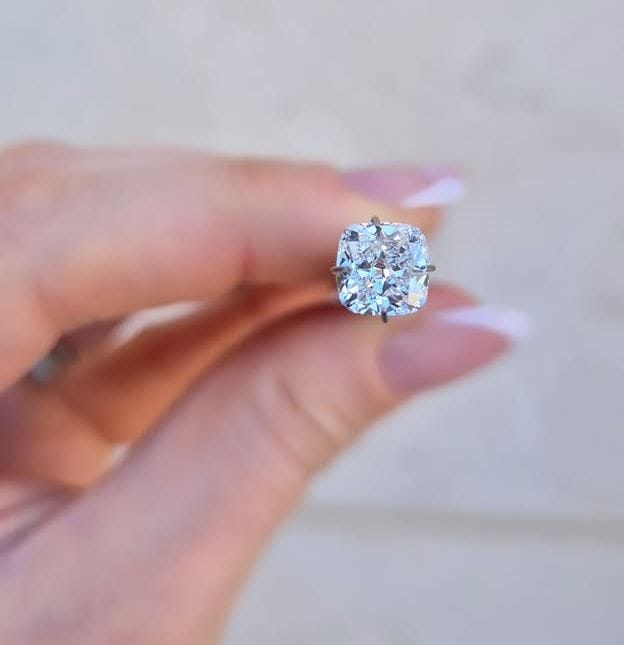
Lab grown diamonds are chemically, physically, and optically identical to mined diamonds. However, their creation process often results in fewer inclusions and different surface tension properties. To maintain maximum brilliance and fire, a regular, correct cleaning routine is essential.
This guide provides evidence-based methods, comparative cleaning tables, and professional tips to ensure your lab grown diamond retains its Grade-A sparkle.
Why Lab Grown Diamonds Need Special Attention
While a lab diamond scores a perfect 10 on the Mohs hardness scale, its hydrophobic (water-repelling) surface can attract oils, lotions, and soap scum more visibly than some natural stones with surface-reaching fractures. A dirty diamond loses its refractive index, appearing dull or milky.
Key fact: Lab grown diamonds have the exact same optical properties as natural diamonds. Therefore, cleaning methods are identical—but because lab diamonds are often flawless (Type IIa), smudges are more visible.
Method Comparison: Fast, Safe, and Deep Clean
| Cleaning Method | Best For | Time Required | Safety Rating | Effectiveness |
|---|---|---|---|---|
| Dish Soap & Warm Water | Weekly maintenance | 20–30 mins | ⭐⭐⭐⭐⭐ (Perfect) | High (grease removal) |
| Ultrasonic Cleaner | Deep cleaning (weekly) | 3–5 mins | ⭐⭐⭐⭐ (Safe for most) | Very High (cavitation action) |
| Steam Cleaner | Professional finish | 2 mins | ⭐⭐⭐ (Risk of thermal shock) | Excellent (no residue) |
| Pre-moistened Wipes | On-the-go touch-up | 30 seconds | ⭐⭐⭐⭐ (Use alcohol-free) | Moderate (surface only) |
Warning: Avoid ultrasonic cleaners if your lab diamond has laser-drilled inclusions or is set in a delicate metal (e.g., thin gold or silver). The vibrations can loosen stones.
Step-by-Step: The Professional At-Home Clean
What You Need
- Soft-bristled toothbrush (new, designated for jewelry)
- Mild dish soap (free of citric acid and lotions)
- Small bowl (glass or ceramic, not plastic)
- Microfiber or lint-free cloth
The Procedure
Step 1: Prepare the Solution
Mix 1 cup of warm (not hot) water with 2–3 drops of mild dish soap. Avoid boiling water—thermal shock can fracture a lab diamond’s carbon lattice or damage its setting.
Step 2: Soak
Submerge the ring or loose diamond for 15–20 minutes. This dissolves dried skin oils and hand cream residues.
Step 3: Gentle Brushing
Dip the soft toothbrush into the solution. Gently scrub the diamond’s crown (top), pavilion (bottom facets), and girdle (edge). Pay special attention to the culet and the underside of the setting, where grime accumulates.
Step 4: Rinse Thoroughly
Hold the diamond in a fine-mesh strainer (never over an open drain). Rinse under lukewarm running water. Do not use a sink without a stopper.
Step 5: Dry
Pat dry with a microfiber cloth. Air-dry for 5 minutes before wearing.
The Ultrasonic Cleaner: When and How
Ultrasonic cleaners use high-frequency sound waves to create microscopic bubbles that dislodge dirt from tiny crevices. For a loose lab grown diamond, this is the most effective method.
Professional protocol:
- Fill the tank with distilled water (prevents mineral deposits).
- Add one drop of professional jewelry cleaning concentrate.
- Place the diamond in a suspended basket (never on the metal tank floor).
- Run for 3 minutes maximum.
- Rinse and dry immediately.
When to avoid:
- If your diamond has been HPHT-treated (a common post-growth process). Check your IGI/GCAL certificate.
- If the diamond is set in plated silver, glued, or has a fragile pavilion.
What to NEVER Use on a Lab Diamond
Despite their hardness, lab diamonds can be damaged by harsh chemicals or abrasives.
| Substance | Why Avoid | Potential Damage |
|---|---|---|
| Baking soda paste | Alkaline abrasive | Micro-scratches on polished facets |
| Chlorine bleach | Chemical corrosion | Etches the carbon surface (irreversible haze) |
| Toothpaste | Contains silica or hydrated silica | Dulls the diamond’s luster |
| Vinegar or lemon juice | Acidic | Damages metal prongs (not the diamond itself) |
| Paper towels | Contains wood fibers | Creates microscopic scratches |
How Often Should You Clean?
| Usage | Cleaning Frequency |
|---|---|
| Worn daily (e.g., engagement ring) | Every 1–2 weeks |
| Worn occasionally (pendants, studs) | Once a month |
| Stored long-term | Every 3 months + before wearing |
| Professional inspection & cleaning | Every 6 months (by a jeweler) |
Pro Tip: The “Diamond Glow” Test
After cleaning, hold your lab grown diamond under a single white LED light. Rotate it slowly. If you see any rainbow flashes (fire) and sharp white reflections (brilliance), it is clean. If it looks cloudy or oily, repeat the soap and brush method.
Frequently Asked Questions
Q: Can I use Windex (ammonia-based cleaner)?
A: Yes, but diluted. Mix 1 part Windex with 4 parts water. Rinse thoroughly. Never soak overnight—ammonia can discolor certain metal alloys (e.g., nickel white gold).
Q: Do lab diamonds get cloudy over time?
A: No. They do not oxidize or degrade. “Cloudiness” is always surface grime or a damaged coating (if it’s actually a diamond simulant like cubic zirconia).
Q: Is a steam cleaner safe for lab diamonds?
A: For loose stones or secure settings, yes. However, rapid temperature changes can cause inclusions (even invisible ones) to expand. Stick to ultrasonic or manual cleaning unless you are a professional.
Final Verdict
Cleaning a lab grown diamond is simple, safe, and cost-effective. The gold standard: Warm water, mild dish soap, and a soft toothbrush, performed bi-weekly. For high-clarity lab diamonds (VVS or IF), an ultrasonic cleaner provides a flawless finish without risk.
Disclaimer: Always refer to your specific grading report and consult a certified gemologist if your lab diamond has unique treatments or a vintage setting.