How a Home Design-Build Contractor Streamlines Residential Construction Projects
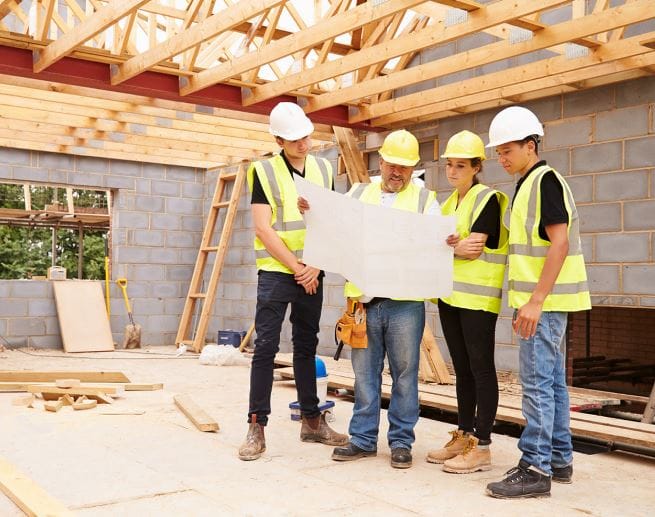
In today’s residential construction market, homeowners expect more than just a finished building — they expect clarity, efficiency, and confidence throughout the entire process. As projects increase in complexity and timelines become tighter, the traditional separation between designer and builder often leads to misalignment, delays, and unexpected costs.
This is why working with a home design-build contractor has become a strategic choice rather than a convenience. By unifying architectural design, engineering, and construction under one coordinated team, the design-build model eliminates fragmentation and creates a streamlined workflow where decisions are made with both aesthetics and buildability in mind from day one.
Studios that operate under this approach are able to maintain tighter cost control, reduce revisions during construction, and ensure that the original design intent is preserved through execution. Instead of translating drawings between multiple parties, homeowners work with a single point of responsibility — resulting in clearer communication, fewer change orders, and a more predictable outcome.
One Integrated Team, One Clear Responsibility
The defining strength of the design-build delivery model is consolidated accountability across the entire project lifecycle. Instead of coordinating separate contractual relationships between designers, consultants, and builders, the client engages a single, integrated entity responsible for both design development and construction execution. This structure minimizes the risk of misaligned scopes, fragmented decision-making, and late-stage design revisions driven by constructability conflicts.
A home design-build contractor brings architectural planning, engineering coordination, and construction expertise into the same workflow from the outset. Design decisions are continuously evaluated against structural feasibility, cost implications, permitting requirements, and sequencing constraints. As a result, potential conflicts are resolved early—when adjustments are less costly and easier to implement—rather than during construction.
This integrated responsibility model typically leads to tighter cost control, more reliable scheduling, and a measurable reduction in change orders. By maintaining a single point of leadership and accountability, the design-build approach ensures that design intent, technical execution, and project budget remain aligned throughout the process, resulting in a more predictable and efficient project outcome.
Cost Control Through Early Collaboration
Budget overruns in residential construction rarely stem from a single miscalculation. More often, they result from design decisions being developed without direct cost and execution feedback. In traditional delivery models, budgets are typically validated only after design documentation is complete, leaving limited flexibility to adjust scope or materials without triggering redesigns and schedule disruptions.
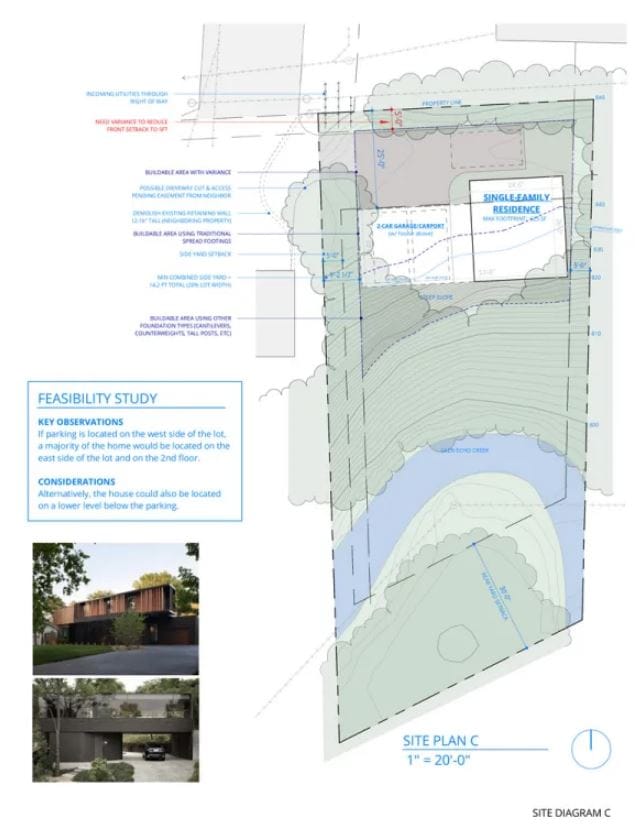
An integrated design-build team addresses this issue by embedding cost evaluation directly into the planning process. Real-time budget feedback during design development allows materials, assemblies, and construction strategies to be assessed before they are finalized. This early collaboration enables informed trade-offs between aesthetics, performance, and cost, leading to more reliable forecasting and stronger long-term value.
Design Decisions Grounded in Constructability
High-quality residential design must be supported by practical execution. A key advantage of the design-build methodology is that construction expertise informs design decisions from the outset, rather than reacting to them during construction. Structural systems, building envelope performance, material durability, and site-specific constraints are evaluated alongside spatial and aesthetic considerations.
With builders and technical specialists involved early, architectural concepts are developed with a clear understanding of sequencing, permitting requirements, and construction logistics. Potential conflicts—whether structural, mechanical, or regulatory—are identified and resolved during design development, when adjustments are less disruptive and more cost-effective.
This constructability-driven process reduces delays, limits revisions during construction, and helps ensure that design intent is carried through to completion.
Streamlined Project Timelines
Schedule control is a critical performance metric in residential construction, particularly as permitting processes, labor availability, and material lead times become less predictable. The design-build model addresses these challenges by allowing design development and construction planning to proceed in parallel rather than as isolated, sequential phases.
Early coordination enables permitting strategies, procurement schedules, and site preparation to advance while design details are being finalized. This integrated workflow reduces idle time between phases, limits rework caused by late design changes, and creates a more resilient project schedule. As a result, projects delivered through design-build are typically less vulnerable to delays associated with coordination gaps and late-stage revisions.
Custom Homes Designed Around Real Life
Custom residential projects require more than formal design solutions; they demand an understanding of how spaces will be occupied, adapted, and maintained over time. The design-build approach supports this level of specificity by integrating technical, spatial, and operational considerations into a single decision-making process.
Rather than designing in abstraction, integrated teams evaluate circulation patterns, storage strategies, daylight access, energy performance, and future adaptability alongside aesthetic goals. This results in homes that are not only visually cohesive but also function efficiently under real-life conditions. Whether developing a contemporary single-family residence or a compact urban home, this methodology allows design intent to remain aligned with practical use throughout execution.
A Smarter Path to High-Quality Residential Construction
As residential construction grows more complex, the value of coordination and accountability becomes increasingly apparent. Working with residential design-build firms provides homeowners with a unified project structure in which design development, cost management, and construction execution are aligned under a single leadership framework.
This model reduces fragmentation, improves predictability, and supports higher design integrity through delivery. Rather than correcting misalignments after they occur, design-build emphasizes early resolution and informed decision-making. For clients prioritizing long-term value, performance, and clarity throughout the process, design-build represents a disciplined and forward-looking approach to residential construction.