Five Easy Ways to Minimize Paper Waste in Melbourne
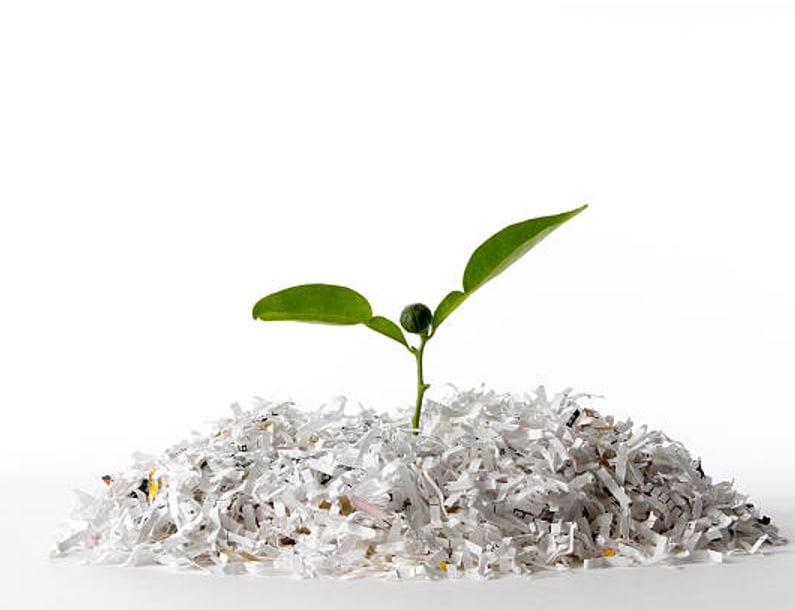
Paper waste is a major problem for the environment and the local communities in Melbourne. As the National Waste Policy of the city seeks to reduce the amount of material that goes to landfill and create a more circular economy, every little bit helps, at home, at school, or in the lively business community of Melbourne. The following are five interesting and practical methods of reducing paper waste backed by facts and effective methods.
1. Digitise Documents and Go Paperless
Among the most efficient methods to reduce paper waste, the transition to digital solutions should be mentioned. Digitizing daily paperwork can be useful to businesses, schools, and households:
- E-statements and E-billing: The Majority of the banks, utilities, and service providers in Melbourne have gone digital in terms of accessing bills and statements. By moving to such services, not only will paper consumption be minimized, but also homes and offices will be decluttered.
- Cloud Storage and E-signatures: Cloud-based solutions enable safe sharing, editing, and storage of receipts, contracts, and reports, and there is no need to print several copies anymore.
- Digital Workflows: Schools and offices that have adopted learning management systems or workflow automation tools have recorded up to a 60 percent reduction in the amount of paper used annually, according to case studies by the City of Melbourne.
Besides the environmental impact, paperless systems simplify the search, storage, and protection of information.
2. Recycle through Local Partners you can Trust
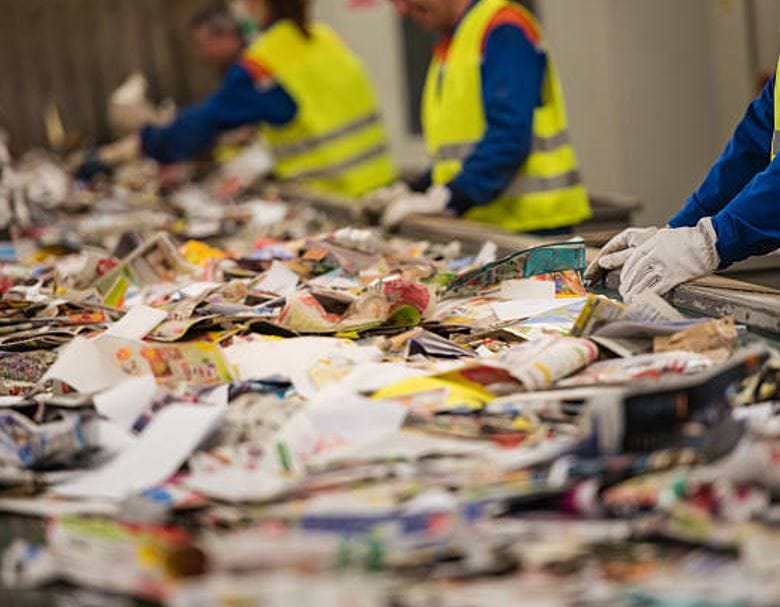
Recycling is one of the pillars of sustainable waste management, yet it can only be effective when there is participation and partnership. The yellow-lidded recycling bins used by residential and commercial facilities are welcome to receive clean and dry paper and cardboard, but this is not the end.
For businesses across Melbourne, collaborating with a reputable recycling service is key. For example, AB Recycling in Melbourne specializes in paper and cardboard recycling, providing fast, friendly, and professional services to businesses of all sizes across Victoria. By partnering with experts like AB Recycling in Melbourne, organizations ensure their waste is processed efficiently, kept out of landfills, and transformed into valuable resources for the next generation of products.
Local recycling partners also provide custom solutions such as secure document destruction, bulk collection, and regular reporting, which can assist companies to gauge their environmental impact and ensure they are in conformity with the Victorian waste regulations.
3. Reconsider Printing Habits
Most of the daily paper waste is motivated by habits. Even small changes in thought and action can have huge effects:
- Print Preview and Duplex Printing: Proofread the documents before sending them to the printer, and always use the double-sided (duplex) option.
- Selective Printing: Print only the pages that you require. Electronic markups and notes on papers remove the necessity of printed papers.
- Reuse Single-Sided Prints: Use one-sided prints as internal notes, drafts, or children’s drawing paper and then recycle.
- Default Printer Preferences: It is possible to set offices and home printers to default to black-and-white and double-sided, automatically cutting down on the use of unnecessary paper and ink.
The use of these simple measures has been demonstrated to cut down paper usage in offices by up to 40 per cent in Victorian pilot schemes.
4. No to Junk Mail
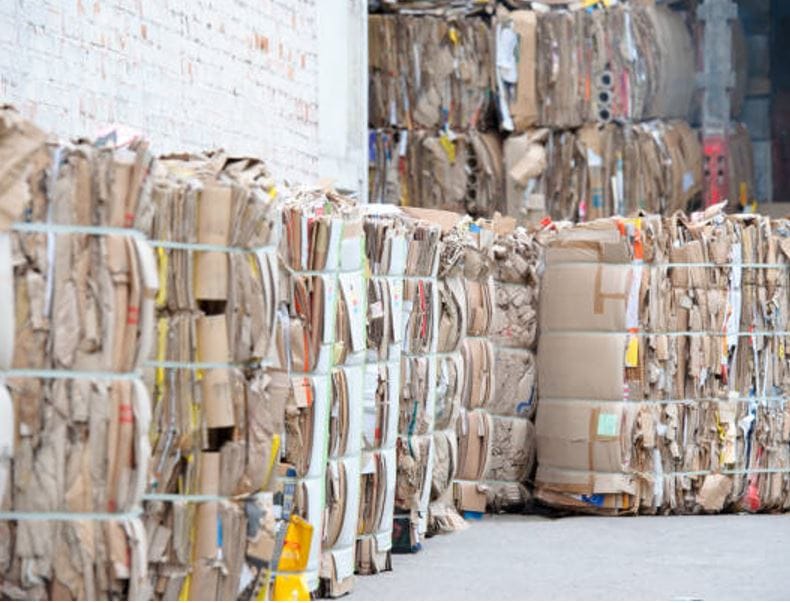
Unwanted mail continues to be a significant source of paper waste in households in Melbourne. Sustainability Victoria estimates that junk mail makes up almost 15kg per head, per annum, directly to the bin. It is simple to reduce this source proactively:
- Opt Out: Put a No Junk Mail sticker on your letterbox, which can be obtained at local hardware stores or through Australia Post.
- Online Catalogues: Sign up for online catalogues and newsletters rather than paper ones.
- Write to the Companies: Ask to be taken off mailing lists or to be communicated with digitally.
These strategies are advantageous to both businesses and individuals, not only in reducing waste, but also in saving time that would be used in sorting and disposing of irrelevant mail.
5. Reach Your Community
The most effective results are obtained through a group effort. Involving all people around you, including family, classmates, and co-workers, generates awareness and increases the effect.
- Education and Workshops: Education events can be held at community centers, libraries, or schools to discuss smart paper use, recycling etiquette, and the environmental cost of waste.
- Install Paper Reuse Stations: In offices and schools, promote the culture of having reusable paper segregated and readily available to take notes or scratch pads.
- Gamify Waste Reduction: Competitions like the Zero Paper Challenge weeks are friendly and encourage long-term behavior change.
Neighborhoods in Melbourne that have adopted such programs have recorded increased recycling levels and a substantial decrease in the amount of waste sent to landfills.
Conclusion
Not only is reducing paper waste a feasible goal in a city such as Melbourne, where sustainability is a community value, but it is also an important one. With digitization, recycling with reputable partners such as AB Recycling in Melbourne, a change in printing behavior, the removal of junk mail, and collective efforts, both individuals and organizations can help make Victoria a cleaner and greener place. Each page that is saved and recycled makes Melbourne a step closer to zero-waste future.