Does Windex Kill Wasps? An Expert Look at a Common Hack
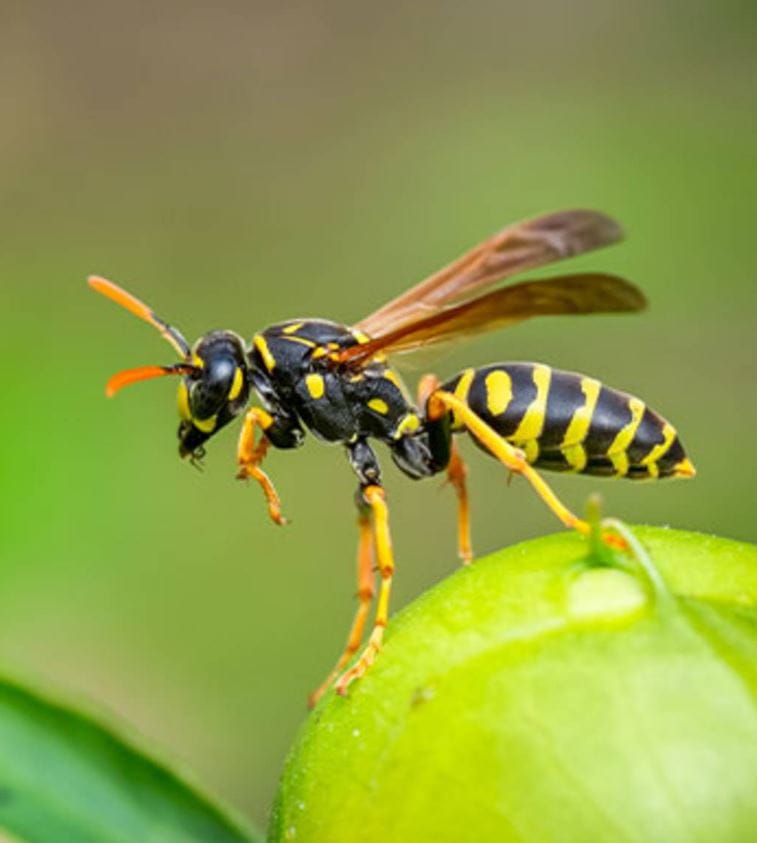
You’re enjoying a peaceful afternoon on your patio when you hear it—the unmistakable, unnerving buzz of a wasp. It’s hovering a little too close for comfort. In a moment of panic, you might reach for whatever is nearby, and for many, that’s a bottle of Windex. But does this common household cleaner actually work as a wasp killer?
The short answer is yes, Windex can kill wasps, but it’s not the most effective or recommended method for dealing with a wasp problem. In this article, we’ll break down how it works, why it’s risky, and what you should use instead.
How Does Windex Affect Wasps?
Windex and similar glass cleaners with ammonia-D aren’t designed as insecticides, but their chemical composition can be lethal to a wasp in a specific way.
The primary mechanism is suffocation. When sprayed directly, the liquid saturates the wasp’s body and, more critically, clogs its spiracles. Spiracles are the tiny pores on the side of an insect’s body through which it breathes. By blocking these airways, Windex essentially suffocates the wasp.
Additionally, the surfactants (soap-like components) in Windex can break down the protective waxy layer on the wasp’s exoskeleton, leading to dehydration and damage to its nervous system. However, this is a secondary effect and not instantaneous.
“While Windex can kill a wasp, it’s a contact killer, not an instant one. There’s a dangerous lag time where the wasp can still sting you in defense.” – Pest Control Professional
Windex vs. Professional Wasp Spray: A Head-to-Head Comparison
Let’s be clear: wasp sprays are engineered for one job, and they do it exceptionally well. Windex is a convenient substitute, but it pales in comparison. Here’s a breakdown:
| Feature | Windex & Glass Cleaners | Professional Wasp Spray |
|---|---|---|
| Active Ingredient | Ammonia-D, Surfactants | Pyrethroids (e.g., Tetramethrin, Cypermethrin) |
| Kill Mechanism | Suffocation, Dehydration | Neurotoxin (attacks the nervous system) |
| Kill Speed | Slow (30 seconds to a few minutes) | Instantaneous (1-2 seconds) |
| Spray Distance | Short (2-4 feet) | Long-Range (15-25 feet) |
| Safety | Not designed for pest control; can damage surfaces. | Formulated for outdoor use, but requires caution. |
| Nest Elimination | Ineffective for entire nests. | Foaming formulas saturate and destroy nests. |
As the table shows, the most critical difference is speed and distance. A professional spray knocks a wasp out of the air from a safe distance. With Windex, you need to get dangerously close, and the wasp has ample time to get angry and sting.
The Risks of Using Windex on Wasps
Choosing Windex as your weapon of choice comes with significant downsides:
- It Puts You in Stinging Range: To spray a wasp effectively with Windex, you need to be within 3-4 feet. This is well within a wasp’s attack radius. If you miss or only partially spray it, you will provoke it.
- It’s Ineffective on Nests: Spraying the entrance of a nest with Windex is futile. It will not kill the colony inside and will only agitate the hundreds of wasps within, creating a massive and dangerous situation.
- It Can Damage Surfaces: Windex is designed for glass. Spraying it on wood siding, painted surfaces, or your car’s paintwork can lead to discoloration or damage.
- It’s a Temporary Fix: This method might deal with one or two visible wasps but does nothing to address the root of the problem, which is often a nearby nest.
What Should You Use Instead of Windex?
For your safety and effectiveness, it’s best to use the right tool for the job.
For Direct Contact & Nests: Professional Wasp Spray
Invest in a can of long-range wasp freeze spray. These sprays shoot a concentrated stream from over 15 feet away, freezing the wasps in mid-air and neutralizing them instantly. They are your best defense against individual wasps and nests.
For a Natural DIY Solution: Soap and Water
A much safer and surprisingly effective DIY alternative is a mixture of liquid dish soap and water. Fill a spray bottle with 2-3 tablespoons of dish soap and top it off with water. The soap clogs the spiracles just like Windex but is more viscous and effective. It’s also non-toxic and safe for plants (in moderation). This is best for smaller numbers of wasps or for spraying a nest at night from a close distance (but we still recommend caution).
For Prevention: Seal and Secure
The best way to deal with wasps is to prevent them from settling in the first place.
- Seal cracks and crevices in your home’s exterior.
- Keep trash cans covered tightly.
- Avoid leaving sweet drinks or food uncovered outdoors.
- Regularly inspect eaves, sheds, and under decks for early signs of nest building.
When to Call a Professional
DIY methods, including Windex, are risky for large nests. You should call a licensed pest control professional if:
- The nest is large or located in a wall void, attic, or underground.
- You or a family member is allergic to wasp stings.
- The nest is in a high-traffic area like a doorway or near a children’s play area.
- You are simply uncomfortable dealing with it yourself.
The Final Verdict
So, does Windex kill wasps? Technically, yes. It can suffocate a single wasp if you manage to drench it. However, it is a high-risk, low-reward method that puts you in danger of being stung.
While it might be a tempting quick fix, your safety is paramount. For the sake of a few dollars, a can of professional wasp spray is a far superior investment, allowing you to eliminate the threat quickly and from a safe distance. Skip the Windex for your windows and let it do the job it was actually designed for.