Does Clorox Kill Lice? The Shocking Truth About Bleach and Lice Eggs
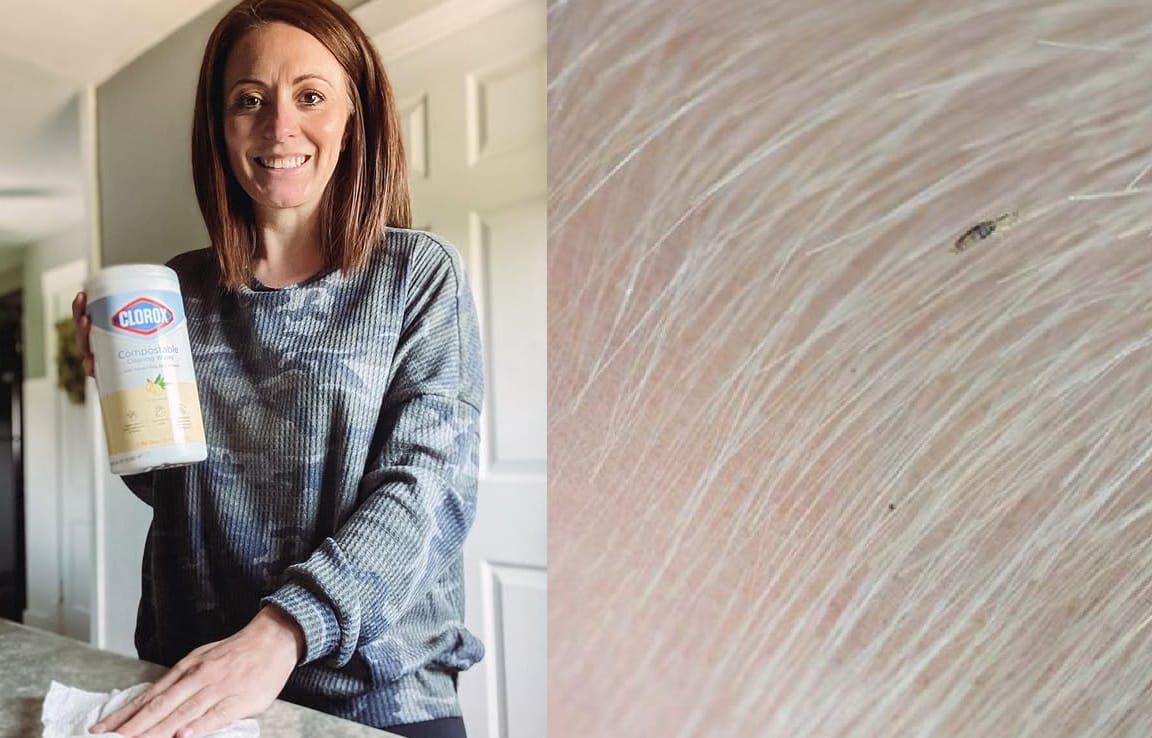
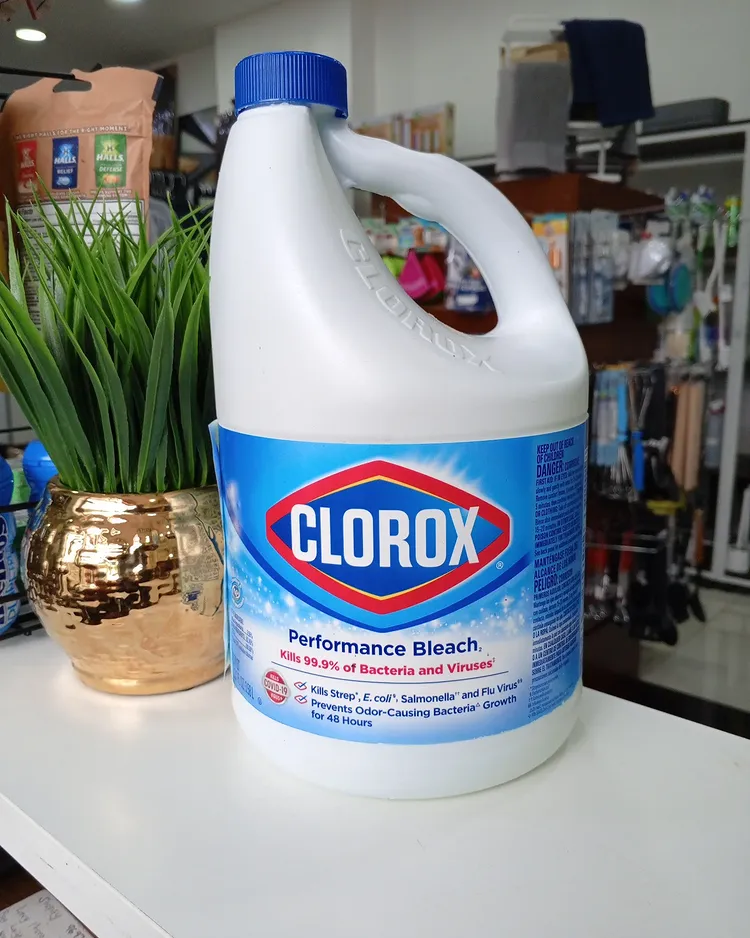
Discovering a lice infestation can send any parent into a panic. In the desperate search for a solution, a common question arises: “Does Clorox kill lice eggs?” It’s a logical thought—Clorox bleach is a powerful disinfectant known for annihilating germs. But when it comes to the resilient nits (lice eggs), the answer is more complex and comes with significant warnings.
In short: While Clorox bleach may kill some live lice on contact, it is not a reliable or safe method for killing lice eggs on the head, and it should never be applied to human skin or hair.
This article will break down the science, the severe risks, and provide safe, proven alternatives for dealing with a lice infestation.
The Science Behind Bleach and Lice Eggs
To understand why Clorox fails as a lice treatment, we need to look at the biology of lice eggs.
A louse glues each nit firmly to a hair shaft, very close to the scalp. This “glue” is incredibly strong, protecting the developing embryo inside. The eggshell itself is a tough, semi-porous casing designed to withstand various environmental challenges.
Clorox bleach is a potent oxidizing agent. In theory, if it could directly coat a nit for a prolonged period, it could potentially break down the outer shell and kill the embryo. However, this is where the method falls apart in practice.
Quote from a Pediatric Perspective: “The idea of using a harsh chemical like bleach on a child’s scalp is alarming. The skin on the scalp is sensitive and highly absorbent. The risk of severe chemical burns, respiratory irritation from fumes, and long-term skin damage far outweighs any unproven benefit against lice nits.” – Dr. Emily Roberts, Board-Certified Pediatrician.
Why Clorox is a Dangerous and Ineffective Lice Treatment
Using Clorox for head lice is not just ineffective; it’s hazardous. Here’s a breakdown of the critical reasons to avoid it:
- Severe Skin and Scalp Damage: Bleach is highly corrosive. Applying it to the scalp can cause painful chemical burns, blisters, irritation, and lead to permanent hair damage and loss.
- Toxic Fumes: The chlorine gas released by bleach can be inhaled, causing respiratory distress, burning in the lungs, and aggravating conditions like asthma. This is dangerous for both the person being “treated” and others in the household.
- Eye Damage: An accidental splash into the eyes could result in permanent vision loss or severe corneal injury.
- Ineffectiveness on Nits: Even if someone were to attempt this dangerous method, the bleach would likely be rinsed away before it could penetrate the sturdy nit shell. Furthermore, it does nothing to address the nits’ strong glue, meaning they would remain attached to the hair.
Safe and Effective Alternatives to Kill Lice Eggs
Fortunately, there are many proven and safe methods for dealing with lice and their eggs. The key to success is a two-pronged approach: killing live lice and systematically removing all nits.
1. Over-the-Counter (OTC) Pediculicides
These are medicated shampoos and lotions containing ingredients like Permethrin (1%) or Pyrethrins. They are designed to be safe for topical use and are effective at killing live lice. However, their effectiveness against nits can vary, and some lice populations have developed resistance.
2. Prescription Treatments
For stubborn infestations, a doctor can prescribe stronger treatments like Ivermectin lotion or Malathion lotion. These are highly effective but should only be used under medical supervision.
3. Natural and Smothering Agents
Many people prefer non-chemical approaches:
- Dimethicone-based Products: These lotions work by coating the lice and nits, suffocating them physically rather than poisoning them. They are generally very safe and effective.
- Wet-Combing (The Gold Standard for Nit Removal): This is the most crucial step for eliminating nits. Using a fine-toothed nit comb on wet, conditioner-lubricated hair every 2-3 days for two weeks can physically remove every nit. Consistency is key.
- Essential Oils: Some oils like tea tree, anise, or neem oil have insecticidal properties. They should always be diluted with a carrier oil and used with caution, as they can cause allergic reactions.
Comparison Table: Clorox vs. Proven Lice Treatments
| Feature | Clorox Bleach | OTC Lice Shampoo | Wet Combing & Dimethicone |
|---|---|---|---|
| Effectiveness on Live Lice | Potentially, but unreliable | High (but resistance is growing) | High (suffocates them physically) |
| Effectiveness on Lice Eggs (Nits) | Very Low & Unreliable | Variable | Very High (physically removes or suffocates them) |
| Safety for Scalp & Skin | Extremely Dangerous – causes chemical burns | Generally safe when used as directed | Very Safe – non-toxic and gentle |
| Safety from Fumes | Dangerous – releases toxic chlorine gas | Low to no risk | No risk |
| Primary Risk | Chemical burns, respiratory damage, poisoning | Potential skin irritation, pesticide resistance | Requires time and patience |
| Recommended Use | Disinfecting non-porous household surfaces ONLY | Treating active lice infestation on the hair and scalp | Safely eliminating both live lice and nits |
The Correct Way to Use Clorox During a Lice Outbreak
While you should never put Clorox on a person, it can play a limited role in disinfecting the environment. Lice off the head survive less than 1-2 days, but cleaning helps provide peace of mind.
- Soak Combs and Brushes: Soak all hair care items in hot water (over 130°F or 54°C) for 10-15 minutes. Alternatively, you can soak them in a Clorox solution (follow product dilution guidelines) for an hour, followed by a thorough rinse.
- Clean Hard Surfaces: Wipe down non-porous surfaces like bathroom counters, floors, and toy tables with a diluted Clorox solution.
- Laundry: Wash and dry bedding, clothing, and stuffed animals on the hot cycles. The heat from the dryer is more effective at killing lice than the bleach in the wash.
The Final Verdict
Clorox bleach is not a safe or effective treatment for killing lice eggs on the human head. The risks of severe injury far outweigh any unproven benefits. The battle against lice is won through patience and proven methods: using safe pediculicides or dimethicone treatments and, most importantly, the meticulous and repeated use of a nit comb.
Stop searching for dangerous shortcuts and invest your energy in the safe, effective strategies that truly work. If you are unsure, always consult a healthcare professional or a licensed lice removal clinic for guidance.