Do Roaches Have an Odor? Uncovering the Truth Behind the Smell
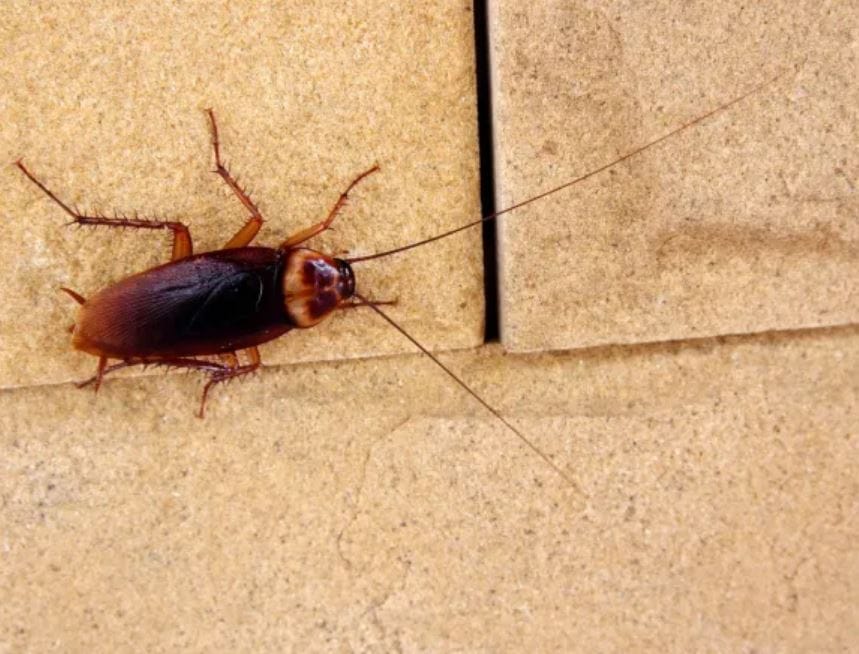
Few household pests evoke as much immediate revulsion as the cockroach. Beyond their unsettling appearance and rapid movements, many people report a distinct, unpleasant odor associated with infestations. But is this smell real, or just a myth born from fear? The answer is clear: yes, cockroaches do produce a noticeable and often pungent odor. This odor serves as a critical warning sign of infestation and plays a key role in the insect’s biology.
The Science Behind the Stench: Why Roaches Smell
Cockroaches produce odor through several biological and behavioral mechanisms. These smells function as communication tools but become overwhelmingly foul to humans in large numbers.
Dr. Ricka Sterling, an urban entomologist, explains: “Cockroaches are social insects that rely heavily on chemical communication. The odors humans detect are a byproduct of pheromones released in their feces, from glands on their bodies, and during decomposition. A faint, musty smell can indicate a few hidden roaches, while a strong, oily stench often signals a major infestation.”
The primary sources of cockroach odor include:
- Pheromones: Released in droppings and from body glands to attract mates, signal danger, and mark aggregation sites.
- Decomposing Bodies: Dead roaches emit a foul, oily smell as they decompose.
- Secretions: Oily fluids from their bodies and mouths can contaminate surfaces.
- Infested Materials: As roaches feed and defecate on cardboard, paper, and food, these materials begin to reek.
Identifying the Smell: A Comparison of Common Cockroach Odors
The exact scent can vary by species, infestation size, and location. Here’s a breakdown:
| Cockroach Species | Typical Odor Description | When It’s Most Noticeable |
|---|---|---|
| German Cockroach | Strong, musty, sour, or like rotten coconut. Often described as “oily.” | In large infestations, especially in kitchens and appliances. |
| American Cockroach | Pungent, slightly sweet, moldy odor. Similar to mildew. | In damp areas like basements, drains, and sewers. |
| Oriental Cockroach | Intense, heavy, rotten smell. Compared to stale beer or feces. | In damp, cool spaces like crawl spaces and floor drains. |
| Smokybrown Cockroach | Pronounced, acidic, and lingering mustiness. | In attics, garages, and wooded areas near homes. |
A telltale sign of a severe infestation is when the smell becomes persistent and permeates fabrics, walls, and stored food—a clear signal to seek professional pest control.
Roach Odor vs. Other Household Smells: A Quick Guide
It’s easy to confuse roach odor with other common household smells. Use this table to help differentiate:
| Odor Source | Key Characteristics | Distinguishing Factors |
|---|---|---|
| Cockroach Infestation | Musty, oily, sour, or mildewy. Worsens over time and is pervasive. | Often accompanied by droppings, smear marks, shed skins, and live sightings. |
| Mold & Mildew | Earthy, damp, and pungent. Similar to rotting wood or wet socks. | Tied to visible dampness, water leaks, or high humidity. Often has visual growth. |
| Rotting Food/Garbage | Sharp, sour, or putrid decay smell. | Isolated to trash cans, pantries, or under appliances where food is present. |
| Plumbing Issues | Sulfuric, like rotten eggs or sewage. | Strongest near drains, sinks, or toilets. Often accompanies drain blockages. |
| Rodent Infestation | Ammonia-like, musky, and pungent from urine. | Strongest in enclosed spaces like cabinets or walls, with gnaw marks and nesting materials. |
Why the Odor Matters: More Than Just a Nuisance
The smell of roaches is not just unpleasant—it’s a significant health and indicator concern.
- Infestation Alarm Bell: A noticeable cockroach odor is one of the earliest and most reliable signs of a hidden, growing population. A few roaches are typically odorless to humans; a smell means numbers have escalated.
- Triggers Allergies & Asthma: Cockroach allergens, present in their saliva, feces, and shed body parts, become airborne. The odor indicates the presence of these particles, which can trigger severe reactions in sensitive individuals.
- Contaminates Food & Surfaces: The smell indicates that roaches have been crawling over and defecating on surfaces, spreading bacteria like E. coli and Salmonella.
Pest control expert, Mark Valencia, notes: “When we enter a home and that distinctive, heavy roach smell hits us, we know we’re dealing with an established, long-term infestation. It means the pheromone trails are strong, attracting more roaches to the area. Eradication requires not only eliminating the insects but thoroughly cleaning these scent trails.”
How to Eliminate Cockroach Odor
Getting rid of the smell requires a two-step process: eradication followed by deep cleaning.
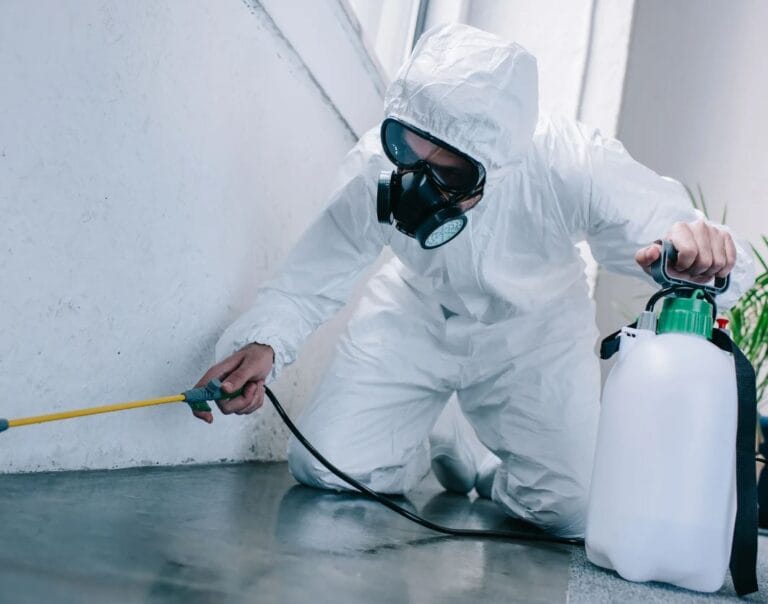
- Professional Eradication: For moderate to severe smells, professional pest control is essential to eliminate the source.
- Deep Clean Contaminated Areas:
- Vacuum thoroughly, then discard the vacuum bag.
- Wash all surfaces with hot, soapy water, followed by a disinfectant.
- Clean cabinets, drawers, and appliances inside and out.
- Launder fabrics in affected areas.
- Use enzyme-based cleaners to break down odor-causing proteins in droppings and secretions.
- Air Out and Use Odor Neutralizers:
- Improve ventilation with fans and open windows.
- Use baking soda on carpets before vacuuming.
- Employ air purifiers with HEPA and carbon filters to remove allergens and odor particles.
- Avoid masking scents with candles or sprays; target the source instead.
Conclusion: A Pungent Warning Sign
Cockroaches do indeed have a distinct and unpleasant odor, best described as a musty, oily, or mildewy stench. This smell is a powerful chemical communication tool for them but serves as a critical red flag for homeowners. Recognizing this odor early can lead to faster intervention, preventing a small problem from becoming a full-blown, unhealthy infestation. If you detect the persistent, unsettling smell of roaches, it’s time to investigate closely and likely call a professional to restore your home to a fresh, pest-free state.