Decorating Your Space With Art: 6 Key Tips Worth Following
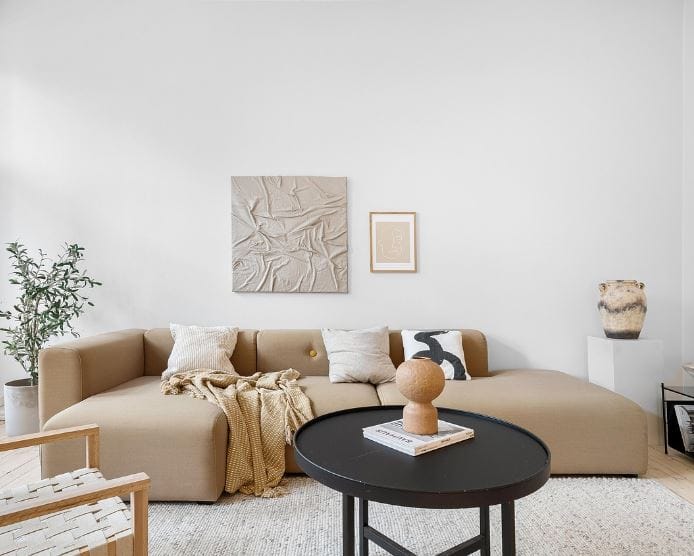
Art is one of the most powerful ways to transform any living or working environment. It can bring personality, warmth, and inspiration into a space, while making it feel cohesive and thoughtfully designed. Choosing and displaying art requires more than just buying a piece that “looks nice.” A strategic approach ensures that every selection adds meaning, style, and balance to the design of your home or office. Below are six tips to keep in mind when decorating your space with art.
Choosing the Right Style for Your Space
Every space has a unique atmosphere and aesthetic, and the art you choose should enhance that identity. Minimalist interiors may call for clean, abstract pieces with bold lines or muted colors, while eclectic spaces can handle brighter palettes and diverse styles. If your décor leans traditional, portraits or landscapes may bring out the room’s elegance, while modern lofts often shine with contemporary pieces.
The art should feel like a natural extension of your space rather than a forced addition. Take cues from your existing furniture, wall color, and architectural details to narrow down styles that harmonize with what’s already there.
Exploring Material and Medium Options
Art doesn’t have to be limited to paintings or prints. Sculptures, photography, mixed-media works, and textiles all bring depth and variety into a room. For example, a textured sculpture in a hallway creates dimension, while large photography prints in a living room can provide a window into another world.
When deciding, consider how the medium interacts with light and space. Glossy photography may suit bright, modern spaces, while matte or fabric-based works can soften rooms with strong natural light. Exploring different media keeps your design dynamic and avoids monotony.
Incorporating Contemporary Trends Into Classic Designs
Decorating with art is not just about following trends, but thoughtfully blending timeless appeal with modern touches. For instance, modern wall art from Printivart or another trusted source can serve as a striking centerpiece even in more traditional spaces. Combining contemporary elements with established styles creates a fresh, layered look that reflects both your personality and awareness of current design movements.
Trends like oversized canvases, gallery walls, and abstract line drawings continue to be popular, and when thoughtfully placed, they can elevate any interior without overwhelming it.
Considering Scale and Placement
The size and placement of art can make or break the effect. A large wall demands a bold, oversized piece or a carefully arranged gallery wall, while smaller walls are best suited for modest works or a series of smaller pieces arranged cohesively.
Art should be placed at eye level, generally around 57 to 60 inches from the floor to the center of the artwork. For larger rooms with high ceilings, you can raise the placement slightly, while more intimate spaces may call for a lower position. Balance is crucial because pieces should feel proportional to the wall and the furniture around them.
Using Art to Express Personality and Storytelling
Your art collection is more than decoration, it’s a reflection of who you are. Pieces that connect with you on an emotional or intellectual level bring authenticity to your space. Whether it’s a painting that reminds you of travel, a family portrait, or an abstract work that resonates with your personality, these personal touches add meaning that guests notice and appreciate.
Storytelling through art can create focal points in a home. For instance, a series of works depicting different stages of life or a collection of travel photography can spark conversation and highlight your values or experiences.
Balancing Colors, Themes, and Textures
Cohesion matters when curating art across multiple rooms. While every piece doesn’t need to match perfectly, there should be an underlying thread that ties everything together. Without some form of consistency, your collection may feel disjointed or overwhelming. A sense of flow helps visitors and household members experience the space as a whole, rather than as a series of unrelated areas.
One effective way to create harmony is through color. Sticking to a consistent palette, or at least repeating certain tones across different works, ensures visual connection. For instance, if your living room features a bold abstract painting with reds, golds, and deep blues, you can incorporate those same hues in subtler forms throughout adjoining spaces. A hallway sketch with a muted blue-gray background or a bedroom canvas with gold accents will create continuity without duplicating the exact style.
Decorating with art is about more than filling walls, it’s about shaping an environment that feels both beautiful and personal. By carefully selecting styles that match your space, exploring diverse mediums, blending contemporary trends, considering scale and placement, expressing your personality, and balancing colors and themes, you create a home that tells your story while remaining visually inviting.