Clean by Design: How Materials and Finishes Shape a Truly Low-Maintenance Home
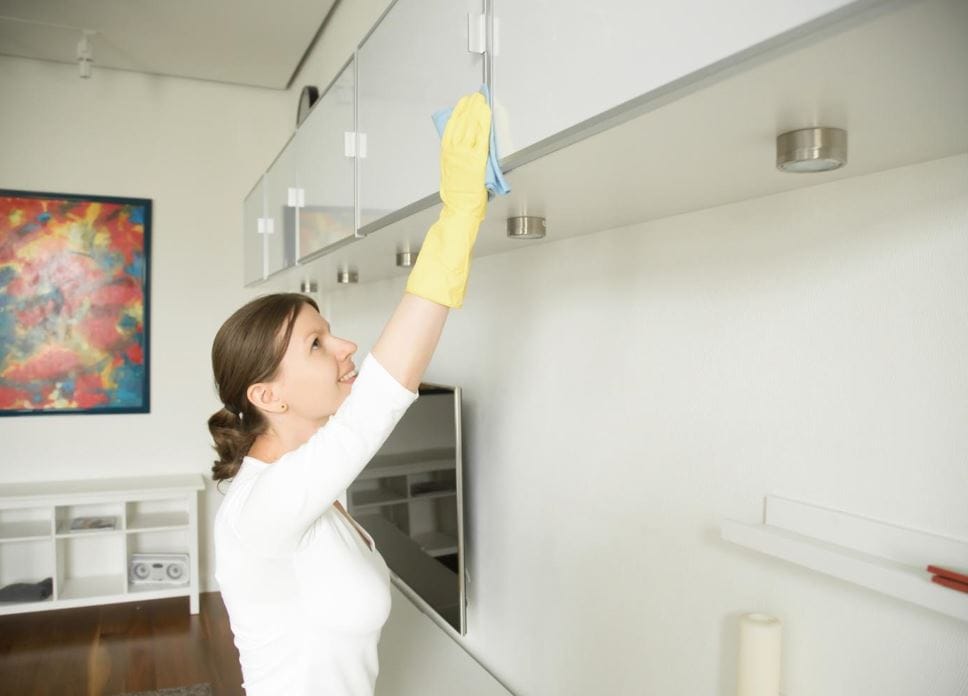
A clean home is often associated with effort, daily routines, weekend deep cleans, and the constant cycle of wiping, vacuuming, and organizing. But there’s another side to cleanliness that doesn’t get talked about as often: how the design of a home itself influences how easy it is to keep clean.
The materials you choose, the way spaces are built, and the quality of finishes all play a quiet but powerful role in determining whether a home feels manageable or constantly demanding. In many ways, cleanliness doesn’t start with cleaning, it starts with design.
The Shift Toward Low-Maintenance Living
Modern homeowners are beginning to look beyond appearance and focus more on practicality. It’s no longer just about how a kitchen looks, but how easily it can be maintained. It’s not just about flooring style, but how it holds up to everyday use.
This shift reflects a broader lifestyle change. With busier schedules and more time spent indoors, people are prioritizing spaces that work with them rather than against them.
A home that is designed thoughtfully requires less effort to maintain, and that makes a noticeable difference in daily life.
Why Materials Matter More Than You Think
Every surface in a home interacts with dust, moisture, and daily activity. Some materials resist wear and buildup, while others absorb it.
Low-quality finishes may look appealing at first, but they often show wear quickly. Scratches, stains, and trapped dirt can make a space feel less clean, even after it has been thoroughly maintained.
On the other hand, well-crafted materials, smooth cabinetry, durable flooring, and properly finished surfaces, are easier to clean and less likely to hold onto debris. They support a level of consistency that reduces the need for constant upkeep.
This is where thoughtful sourcing becomes important. Many homeowners turn to providers like Abodian for high-quality cabinetry, flooring, and millwork that are not only visually refined but also built to withstand daily use. Choosing the right materials from the start can significantly reduce how much effort is required to maintain a clean and comfortable home over time.
The Hidden Connection Between Design and Cleanliness
Design decisions often influence how dirt and clutter accumulate in a space. Tight corners, uneven surfaces, and poorly planned layouts can create areas where dust collects and cleaning becomes more difficult.
In contrast, well-designed spaces minimize these challenges. Seamless transitions, accessible layouts, and thoughtfully constructed elements make it easier to clean efficiently and thoroughly.
For example, cabinetry that is built with precision leaves fewer gaps for dust to settle. Flooring that is properly installed prevents debris from getting trapped in seams. These details may seem minor, but they add up to a home that feels easier to care for.
Air Quality Starts with Surfaces
Cleanliness isn’t just about what we see, it’s also about what circulates in the air. Dust and allergens often originate from surfaces within the home, especially those that are worn or difficult to clean.
When materials degrade or trap particles, they contribute to indoor air quality issues. Over time, this can affect comfort, especially for individuals sensitive to allergens.
According to the Environmental Protection Agency, indoor environments can contain higher levels of pollutants than outdoor spaces, making it essential to manage the sources within the home. Choosing materials that are easier to maintain and less likely to trap contaminants is one of the most effective ways to improve overall air quality.
Less Effort, More Consistency
One of the biggest benefits of a well-designed home is consistency. When surfaces are easy to clean and materials hold up over time, maintaining a clean space becomes less of a chore.
Instead of constantly addressing problem areas, homeowners can focus on simple routines that keep the space in good condition. This reduces the need for frequent deep cleaning and helps prevent the buildup of dirt and wear.
The result is a home that feels consistently clean, rather than one that alternates between tidy and overwhelming.
Designing for Real Life
It’s easy to design a space that looks good in photos. It’s much harder to design one that works well in everyday life.
Real homes experience spills, foot traffic, and constant use. Materials need to withstand these conditions without becoming difficult to maintain.
Choosing durable finishes, investing in quality craftsmanship, and considering how each element will age over time all contribute to a more functional living space. These decisions may not always be immediately visible, but they shape how the home performs in the long run.
Rethinking What Makes a Home “Clean”
The traditional idea of cleanliness focuses on effort, how much time is spent cleaning and how frequently it’s done. But a more sustainable approach looks at how design can reduce that effort.
A home that supports cleanliness through its materials and layout allows homeowners to maintain it more easily. It shifts the focus from constant upkeep to long-term efficiency.
This doesn’t eliminate the need for cleaning, but it makes it more manageable and less time-consuming.
The Long-Term Value of Smart Choices
Investing in quality materials and thoughtful design isn’t just about convenience, it also contributes to the long-term value of a home. Spaces that are well-maintained and easy to care for tend to age better and remain more appealing over time.
Buyers often recognize the difference between a home that has been thoughtfully designed and one that requires ongoing maintenance. The former offers a sense of reliability and ease, which can be a significant advantage in the real estate market.
A Cleaner Home Starts Before the Cleaning
At its core, cleanliness is not just the result of effort, it is the result of choices. The materials, finishes, and design decisions made during the creation or renovation of a home all influence how that space will function day after day.
By focusing on quality, durability, and thoughtful design, homeowners can create environments that are easier to maintain and more enjoyable to live in.
Because sometimes, the cleanest homes aren’t the ones that are cleaned the most, they’re the ones that were designed to stay clean in the first place.