Can You Use Borax in Dishwasher? A Comprehensive Guide
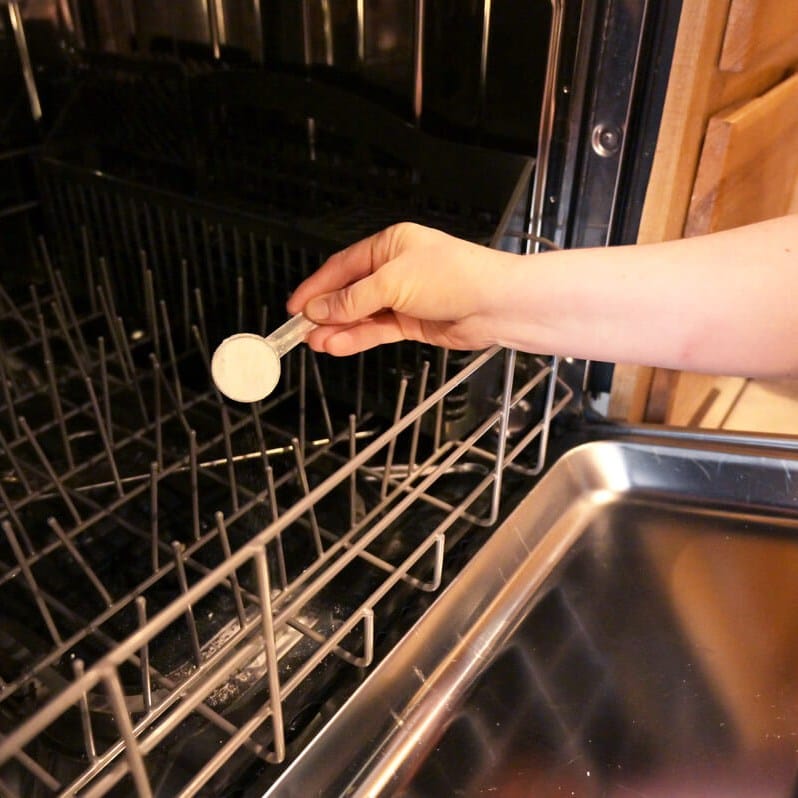
In the quest for a sparkling clean kitchen, many homeowners are turning to simple, natural cleaning agents found in their pantries. One such powerhouse is Borax, a mineral compound known for its stain-fighting and disinfecting properties. But when it comes to expensive and sensitive appliances like your dishwasher, a critical question arises: Is it safe to use Borax in a dishwasher?
The short answer is yes, but not by itself. Borax can be a highly effective ingredient in a homemade dishwasher detergent recipe when combined with other key components. Using pure, undiluted Borax on its own, however, can lead to problems.
This article will break down the science, the benefits, the risks, and provide a trusted recipe to safely harness the cleaning power of Borax for your dishwasher.
What is Borax and How Does It Clean?
Borax, also known as sodium borate, is a naturally occurring mineral. It’s not a soap but a chemical cleaner with three primary functions that make it attractive for dishwashing:
- pH Booster: Borax is highly alkaline (with a pH around 9.5). This helps neutralize acidic food soils and softens water, allowing other detergents to work more effectively.
- Surfactant: It reduces the surface tension of water, helping it spread more evenly and penetrate food particles on your dishes.
- Bleach and Deodorizer: It has mild bleaching properties that help remove stains and can eliminate odors from your dishwasher.
As a cleaning expert from the American Cleaning Institute (ACI) once noted, “Alkaline substances like borax are excellent for cutting through greases and oils, which is why they have been a laundry room staple for over a hundred years.” This same principle applies to dishwashing.
The Pros and Cons of Using Borax in Your Dishwasher
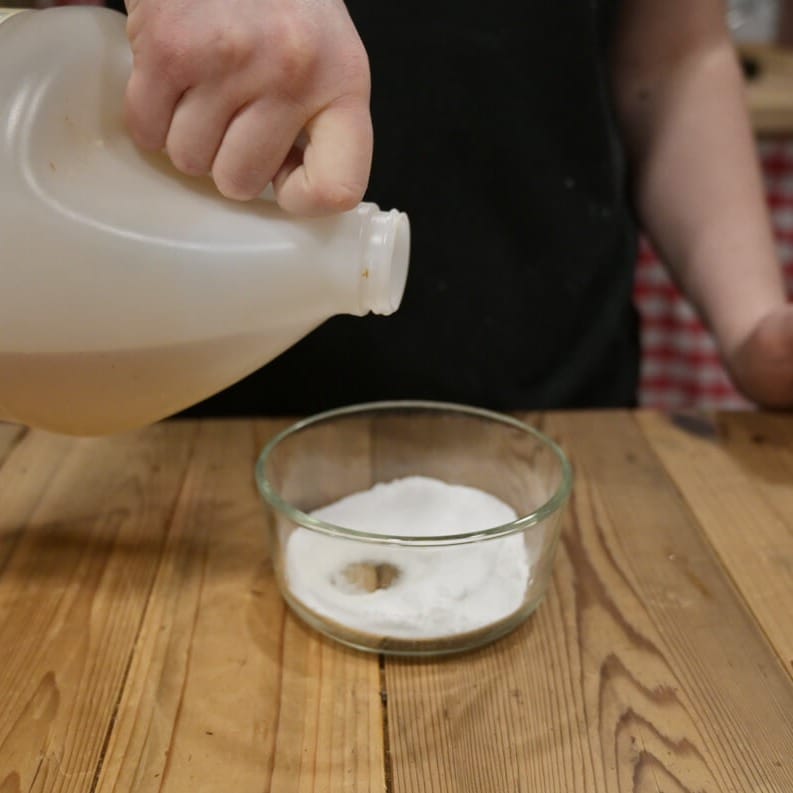
Before you run to the store, it’s crucial to understand the full picture. Here’s a quick comparison:
| Feature | Pros of Using Borax | Cons & Risks of Using Borax |
|---|---|---|
| Cleaning Power | Excellent at cutting grease, removing stains, and softening water. | Not a complete detergent. Lacks the necessary surfactants and enzymes to handle all food soils alone. |
| Cost | Very inexpensive compared to many commercial dishwasher pods. | Potential for costly repairs if used incorrectly. |
| Safety | Natural mineral, biodegradable, and free of synthetic fragrances. | Can be corrosive. High alkalinity can damage dishwasher parts, seals, and glassware over time. |
| Health | — | Toxic if ingested. Must be stored securely away from children and pets. |
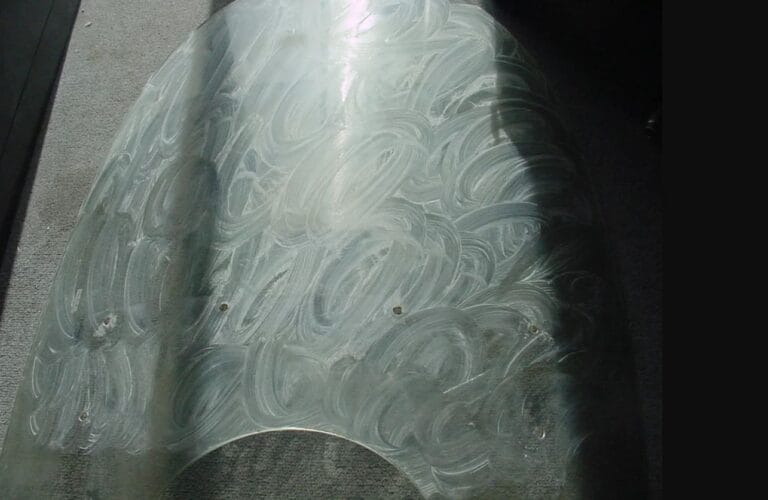
| Performance | Can significantly boost the performance of a DIY detergent blend. | Can leave a white, filmy residue on dishes and the dishwasher interior if not properly balanced with other ingredients. |
The Biggest Risk: Corrosion and Damage
The high alkalinity of Borax is a double-edged sword. While it’s great for cleaning, prolonged and undiluted contact with metal and rubber components can be damaging. Sarah James, an appliance repair technician with 15 years of experience, warns: “I’ve seen dishwashers where the stainless steel tub has become dull and pitted from repeated use of harsh, unbalanced homemade cleaners. The pump seals and spray arm bearings are also vulnerable to degradation from highly alkaline substances.”
How to Safely Use Borax in Your Dishwasher: The DIY Detergent Recipe
The key to using Borax safely is to dilute and combine it with other ingredients that create a balanced, effective detergent. This recipe is a classic for a reason—it works.
The Ultimate DIY Dishwasher Detergent Recipe
This formula combines the grease-cutting power of Borax, the water-softening strength of washing soda, the scum-fighting ability of citric acid, and the saltiness needed for your dishwasher’s rinse aid compartment.
Ingredients:
- 1 cup Washing Soda
- 1 cup Borax
- ½ cup Citric Acid (for fighting hard water spots and film)
- ½ cup Coarse Salt (like kosher or canning salt – helps prevent caking)
- White Vinegar (for the rinse cycle, placed in the rinse aid dispenser)
Instructions:
- Mix Dry Ingredients: In a large, dry bowl, combine the washing soda, Borax, citric acid, and coarse salt. Stir gently with a whisk or fork until everything is evenly distributed. Avoid inhaling the dust.
- Store Properly: Transfer the mixture to a clearly labeled, airtight container. A mason jar or old coffee canister works perfectly.
- To Use: Add 1 tablespoon of the mixture to the main detergent compartment of your dishwasher for a normal load. For heavily soiled pots and pans, use 2 tablespoons.
- The Rinse Aid: Fill your dishwasher’s rinse aid dispenser with plain white vinegar. This is a crucial step! The vinegar helps to neutralize any remaining alkalinity, eliminate spots, and give your glassware a brilliant shine.
FAQ: Your Borax and Dishwasher Questions Answered
Q1: Can I just sprinkle Borax at the bottom of my dishwasher?
A: No, this is not recommended. Concentrated Borax sitting at the bottom of the tub can be corrosive to the enamel or stainless steel and may not dissolve or dispense correctly, leading to poor cleaning and potential damage.
Q2: Is Borax safer for my dishes than commercial detergents?
A: It depends on the commercial detergent. Borax is a simple, natural mineral, but its alkaline nature can be harsh. Many modern commercial detergents are specifically engineered to be powerful yet safe for appliance components and dishware. The DIY approach offers control over ingredients but requires careful balancing.
Q3: Why do I need to use vinegar with the Borax detergent?
A: The vinegar acts as a rinse aid and a pH neutralizer. The Borax mixture is alkaline, and the acidic vinegar helps to balance the pH in the final rinse, preventing filmy residue and enhancing shine.
The Verdict
So, can you use Borax in your dishwasher? Absolutely—but think of it as a key team player, not the entire team. When carefully measured and combined with washing soda, citric acid, and salt, Borax becomes the powerhouse ingredient in a highly effective, budget-friendly, and customizable homemade dishwasher detergent.
By following the recipe and using vinegar as a rinse aid, you can safely harness its incredible cleaning power to achieve spotless, sparkling dishes without putting your appliance at risk. Happy cleaning