Can You Use Bleach in a Pressure Washer? How to Safely Use a Bleach Solution
The sight of black mold on your siding, green algae on your fence, or deep stains on your concrete driveway can be frustrating. In the quest for a powerful clean, many homeowners reach for a familiar weapon: chlorine bleach. It’s a potent disinfectant and stain remover, so it seems like the perfect partner for your pressure washer. But is it safe?
The short answer is yes, but with extreme caution and under very specific conditions. Using bleach incorrectly can lead to catastrophic damage to your equipment, your property, and even yourself.
The Allure and the Danger: Why Bleach is a Double-Edged Sword
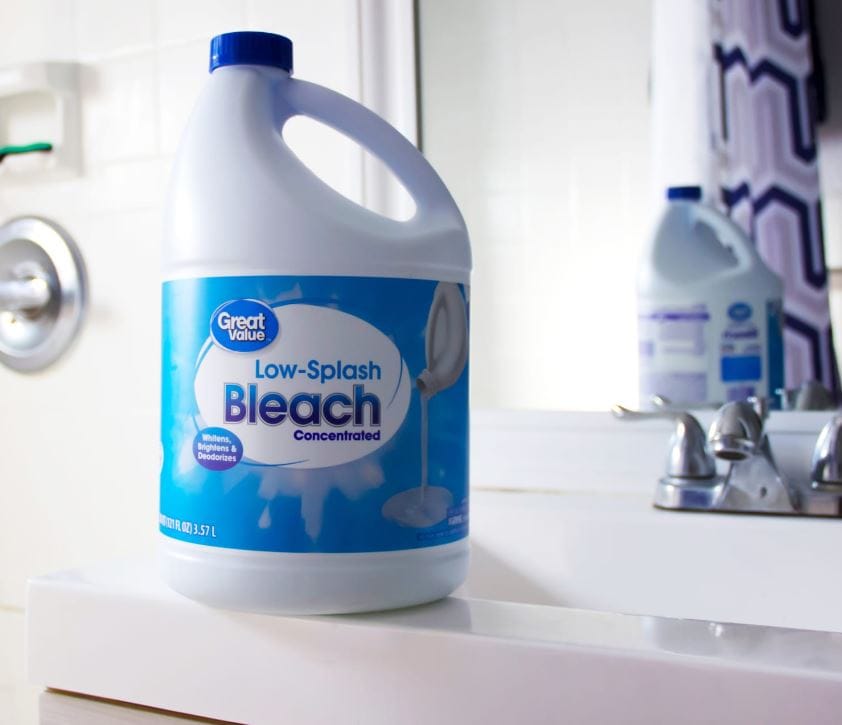
Bleach (sodium hypochlorite) is highly effective at killing organic growth like mold, mildew, and algae. It also bleaches out stains, restoring a bright, “like-new” appearance to surfaces. This makes it incredibly tempting to use for exterior cleaning.
However, the very properties that make bleach effective also make it dangerous. Its high chemical reactivity and corrosive nature are the root of the problem.
Quote from a Pro: “We see it every season—a homeowner permanently damages their pressure washer pump or their beautiful landscaping by using straight bleach. The pump seals and gaskets aren’t designed for that level of chemical attack, and the overspray can wipe out a flower bed in hours. It’s a costly mistake.” — Mark Jennings, Owner of Pro-Wash Exterior Cleaning

The Risks of Using Bleach in Your Pressure Washer
Before you even consider pouring bleach into your machine, you must understand the potential consequences.
1. Damage to Your Pressure Washer
This is the most immediate risk. Most consumer-grade pressure washers are not built to handle corrosive chemicals.
- Pump Damage: The seals, gaskets, and internal components of the pump are highly susceptible to corrosion from bleach. This can lead to leaks and complete pump failure.
- Wand & Hose Damage: The chemical can degrade the O-rings and internal lining of your spray wand and high-pressure hose over time.
2. Damage to the Surface You’re Cleaning
Bleach is not a one-size-fits-all solution. It can:
- Etch Soft Surfaces: Weaken and etch soft concrete, leading to a pitted, rough surface that actually attracts more dirt.
- Damage Wood: Weaken wood fibers, causing them to become brittle and splintered.
- Kill Plants and Grass: Overspray and runoff are inevitable. Bleach is a non-selective herbicide, meaning it will kill any plant life it touches, including your lawn and prized shrubs.
- Remove Paint: It can strip paint and cause discoloration on certain types of siding and trim.
3. Serious Health and Safety Hazards
- Toxic Fumes: Pressure washing creates a fine mist. Inhaling aerosolized bleach is extremely hazardous to your lungs and eyes.
- Skin and Eye Contact: Concentrated bleach can cause severe chemical burns.
- Dangerous Chemical Reactions: NEVER mix bleach with other cleaning chemicals, especially acids or ammonia. This creates toxic, deadly chlorine gas.
How to Safely Use a Bleach Solution (If You Must)
If you have determined that bleach is necessary for your project and you accept the risks, follow this protocol meticulously.
1. Use a Downstream Injector: This is the only safe way to introduce bleach into most pressure washers. An injector (or chemical siphon) pulls the cleaning solution from a separate bucket after the water has passed through the pump. This protects your machine’s internal components from direct contact with the corrosive chemical.
2. Dilute the Bleach Properly: Never use straight bleach. A typical cleaning solution for tough algae or mold is a mix of 1 part household bleach (approx. 5-6% sodium hypochlorite) to 4 or 5 parts water. Always add the bleach to the water, not the other way around.
3. The Correct Application Method:
- Soak, Don’t Scrub: Apply the diluted bleach solution using a low-pressure setting or even a garden sprayer before you turn on the high pressure.
- Let it Dwell: Allow the solution to sit on the surface for 5-15 minutes. Do not let it dry.
- Rinse Thoroughly: Switch to clean water and use a wide-angle (40°) tip to rinse the surface completely, washing all chemical residue away from your house and plants.
4. Protect Yourself and Your Surroundings:
- Wear safety goggles, chemical-resistant gloves, and long sleeves.
- Soak nearby plants and grass with water before you start to dilute any potential overspray. Cover them with plastic tarps if possible.
Bleach vs. Dedicated Pressure Washer Cleaners
For most jobs, a dedicated cleaner is a far superior and safer choice. Here’s a comparison:
| Feature | Chlorine Bleach | Oxygen-Based Cleaner (e.g., Sodium Percarbonate) | Dedicated House Wash Detergent |
|---|---|---|---|
| Cleaning Power | Excellent on organic stains & mildew | Very Good on organic stains & dirt | Excellent on dirt, grime, & organic growth |
| Safety for Equipment | Poor (Corrosive) | Excellent (Safe for pumps) | Excellent (Formulated for machines) |
| Safety for Plants | Very Poor (Kills plants) | Good (Biodegradable when diluted) | Good (Often plant-safe when rinsed) |
| Surface Safety | Can damage wood, etch concrete, strip paint | Safe for most surfaces, including wood | Formulated to be safe for siding & paint |
| Environmental Impact | High (Persistent toxic chemical) | Low (Breaks down into oxygen & water) | Varies, but generally better than bleach |
The Professional Recommendation: Use an Oxygen-Based Bleach Alternative
For a powerful, bleach-like clean without the dangers, professionals overwhelmingly recommend oxygen-based cleaners (like OxiClean™, which uses sodium percarbonate).
When mixed with water, sodium percarbonate releases hydrogen peroxide, a potent oxidizing agent that lifts stains and kills organic matter. It is:
- Non-Toxic: Safe for pets, people, and plants when used as directed.
- Non-Corrosive: Safe for your pressure washer’s pump and components.
- Effective: Gets the job done on siding, decks, concrete, and roofs.
Final Verdict
Can you use bleach in a pressure washer? Technically, yes, but it’s a high-risk maneuver best left to professionals with commercial-grade equipment and extensive safety training.
For the average homeowner, the risks far outweigh the benefits. Using a dedicated pressure washer detergent or an oxygen-based bleach alternative provides a powerful, effective clean without jeopardizing your expensive equipment, your property, or your health.