Can Clorox Kill Termites? The Unvarnished Truth
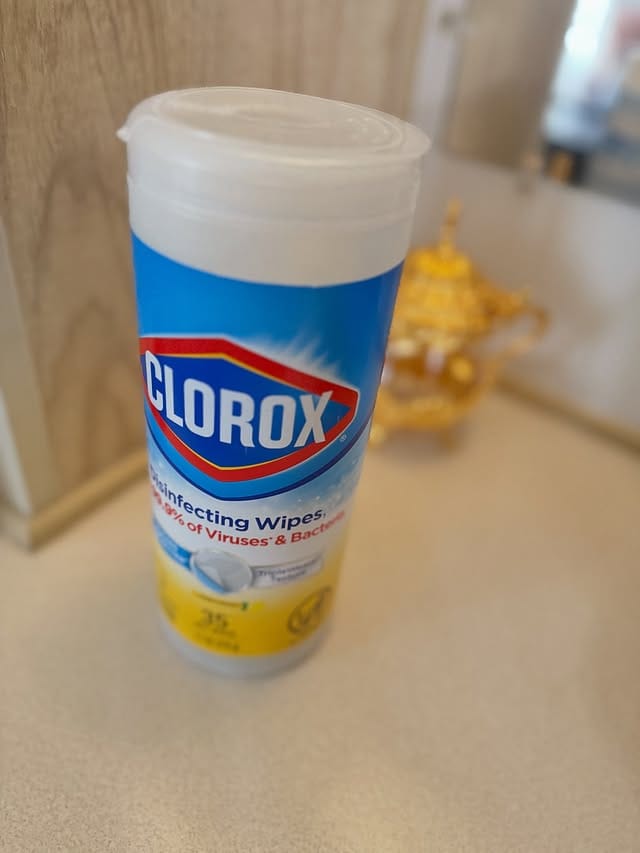
Discovering termites in your home can send any homeowner into a panic. In a desperate search for a quick and cheap solution, many ask: “Can I just use Clorox to kill them?”
It’s a logical question. Clorox bleach is a powerful disinfectant known for killing germs, mold, and mildew. Surely, it must be lethal to pests like termites, right?
The short answer is yes, direct contact with concentrated Clorox bleach can kill termites on the spot. However, the long answer—the one that matters for protecting your home—is far more complex and reveals why this is one of the most ill-advised DIY pest control methods.
How Does Bleach Affect Termites?
Bleach, with its active ingredient sodium hypochlorite, is a corrosive oxidizing agent. When it comes into direct contact with a termite’s body, it breaks down proteins and cells, effectively “burning” and suffocating the insect. In a lab setting, a direct spray would be fatal.
Expert Insight: “Think of it like this,” says Dr. Eleanor Vance, an urban entomologist. “You could kill a single ant by submerging it in bleach, but that doesn’t mean pouring bleach on your driveway will eliminate the entire colony living underground. The principle is the same with termites. You might kill the few you see, but you’ll miss the thousands you don’t.”
The Fatal Flaws of Using Clorox for Termite Control
While it seems like a quick fix, using Clorox as a termiticide is fraught with problems that make it entirely ineffective for actual colony elimination.
1. It Lacks Residual Action
Professional termiticides are designed with residual action, meaning they remain active in the soil for years, creating a protective barrier. Bleach breaks down rapidly upon contact with soil and organic matter, leaving no lasting protection. Termites will simply avoid the treated area temporarily and find another path into your home.
2. It Can’t Reach the Colony
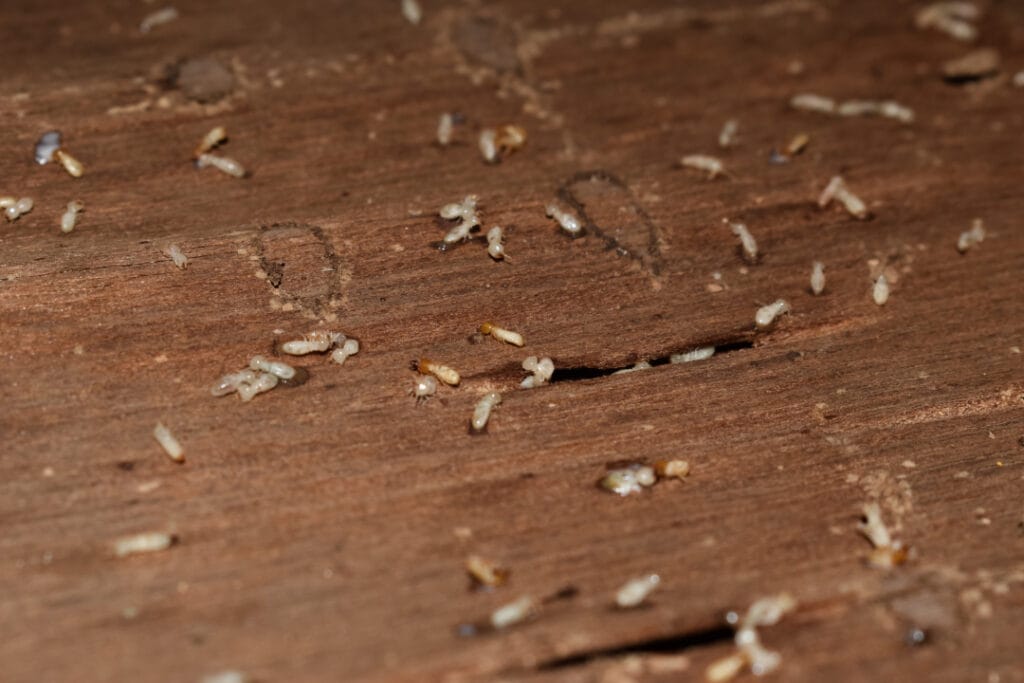
Over 90% of a termite colony—including the queen, soldiers, and nymphs—remains deep within the nest, which can be underground or inside wood structures. Spraying bleach on surface-level termites or their mud tubes is like trimming the leaves of a weed without touching the root. The colony will continue to thrive and reproduce.
3. It Poses Serious Health and Safety Risks
Clorox bleach is a hazardous chemical. Using it in large quantities for pest control poses significant risks:
- Fumes: Inhalation can cause respiratory irritation and breathing difficulties.
- Corrosion: It can damage building materials, fabrics, and landscaping.
- Environmental Harm: Bleach runoff can contaminate soil and water sources.
- Personal Injury: Skin and eye contact can cause severe chemical burns.
Clorox vs. Professional Termite Treatments: A Side-by-Side Comparison
The table below clearly illustrates why Clorox is no match for professional methods.
| Feature | Clorox Bleach | Professional Termiticide |
|---|---|---|
| Kill Method | Direct contact only | Ingestion & Contact (for baits and liquids) |
| Residual Effect | None; breaks down quickly | Long-lasting (years) |
| Colony Elimination | No | Yes (via transfer of bait or liquid) |
| Penetration | Surface-level only | Reaches the heart of the colony |
| Safety for Home | Corrosive to materials, harmful to plants | Applied safely by professionals per label |
| Cost-Effectiveness | Seems cheap, but completely ineffective | An investment that protects your home’s value |
| Overall Efficacy | Extremely Low | Extremely High |
What Should You Do Instead?
If you suspect a termite infestation, taking the correct action is critical to protecting your most valuable asset—your home.
- Confirm the Infestation: Look for signs like hollow-sounding wood, mud tubes on foundations, discarded wings, and frass (termite droppings).
- Call a Licensed Professional: Immediately contact a reputable pest control company. They have the training and tools to properly assess the situation.
- Choose a Proven Treatment: Professionals will recommend a strategy, which may include:
- Liquid Soil Barriers: Creating a protective, long-lasting chemical zone around your home.
- Termite Baits: Using stations that termites carry back to the colony, eliminating it from the inside.
- Wood Treatment: Applying termiticides directly to wood surfaces.
The Final Verdict
So, can Clorox kill termites? Technically, yes, on direct contact.
But is it a viable solution for a termite infestation? Absolutely not.
Using Clorox for termite control is a classic case of treating the symptom while ignoring the disease. It provides a false sense of security while the real damage continues unseen. The risks to your health, your property, and the environment far outweigh any perceived benefits.
Bottom Line: “Don’t let a $5 bottle of bleach convince you to risk a $50,000 termite repair bill. When it comes to termites, trust the science and the professionals, not a DIY myth.” – Slash and Scroll Pest Control Professionals of America
If you see termites, put the bleach bottle back in the laundry room and pick up the phone to call a qualified exterminator. It is the only way to ensure your home is truly protected.