Can Clorox Kill Ants? The Surprising Truth and Smarter Solutions
You’ve seen them: that tiny, unwavering line of ants marching triumphantly across your kitchen counter. Your first instinct might be to reach for something strong, something you know obliterates germs—like a trusty bottle of Clorox bleach. But before you douse your home in a cloud of chemical warfare, let’s hit the pause button.
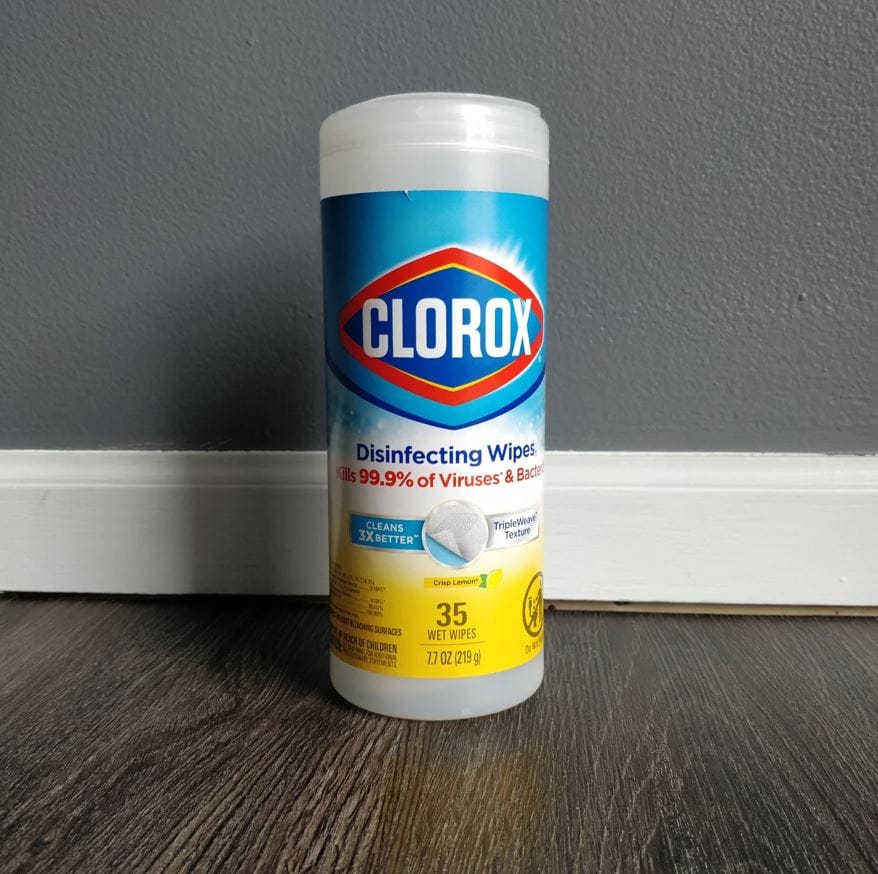
Can Clorox kill ants? The short, direct answer is yes, on contact, Clorox can kill ants. A direct spray of bleach is a potent, immediate toxin that will overwhelm and kill the ants it touches.
But here’s the critical question you should be asking: Is using Clorox a smart or effective way to solve an ant problem?
As a tech educator, I love a good analogy. Using Clorox for an ant infestation is like trying to fix a major software bug by forcefully shutting down one single computer. It might solve the immediate, visible glitch, but the bug is still in the code, and it will just pop up again on another machine. You haven’t solved the root problem.
Let’s debug this ant situation properly.
How Bleach Works on Ants: The Brutal, Simple Science
Bleach is a powerful oxidizing agent. In simple terms, it’s incredibly reactive and breaks down organic matter. When you spray an ant with Clorox, it essentially corrodes the ant’s exoskeleton and damages its internal systems, leading to a quick death.
It also obliterates the chemical trails ants use to navigate. Ants are tiny, efficient tech marvels; they leave a scent trail of pheromones for their colony-mates to follow. Bleach acts like a chemical eraser, disrupting this communication highway.
Sounds perfect, right? Not so fast.
The Fatal Flaw in the “Clorox Strategy”
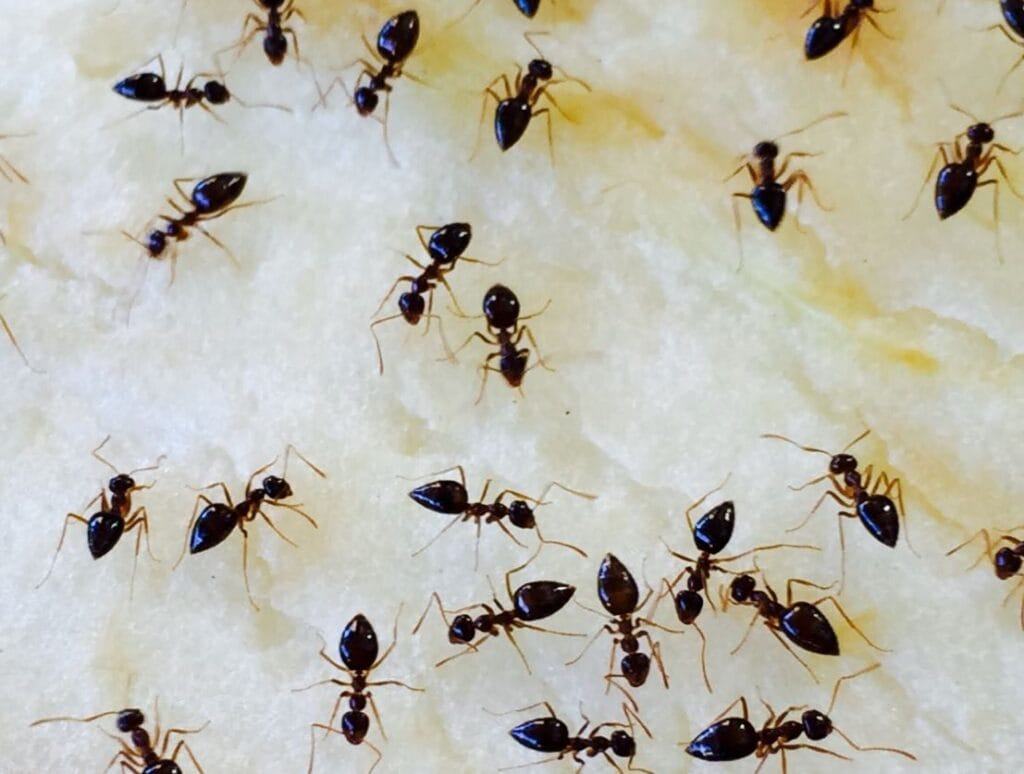
Killing the few ants you see and erasing the trail is a temporary fix. The heart of the problem—the colony and its queen—is hidden away safely in a nest, often deep within your walls or under your foundation.
“Think of the ants you see as the user interface (UI) of a massive, hidden application—the colony. Spraying them with bleach is like putting a piece of tape over your monitor. The UI is hidden, but the app is still running perfectly in the background. The queen, the CPU of the entire operation, is constantly pumping out more ‘worker ants’ to replace the ones you’ve lost.”
This is the core reason why Clorox fails as a long-term ant solution. You’re engaging in a futile battle against the foot soldiers while the command center remains untouched.
Clorox vs. Dedicated Ant Killers: A Feature Comparison
Let’s break down why purpose-built solutions are the superior “technology” for this job.
| Feature | Clorox Bleach | Dedicated Ant Bait Gel |
|---|---|---|
| Kill Mechanism | Contact Killer: Only kills what it touches. | Slow-Acting Bait: Carried back to the nest. |
| Colony Impact | Low: Only affects visible foragers. | High: Poisons the entire colony, including the queen. |
| Residual Effect | None: Evaporates quickly. | Long-Lasting: Keeps working for weeks. |
| Safety Risk | High: Toxic fumes, can damage surfaces, harmful to kids/pets. | Moderate: Must be placed out of reach, but targeted. |
| Root Problem Solved? | ❌ No | ✅ Yes |
As you can see, a dedicated ant killer is like a sophisticated Trojan Horse virus, designed to be carried deep into the enemy’s core system to shut it down from within. Clorox, by comparison, is just a clumsy hammer.
The Real Risks of Using Clorox for Pest Control
Beyond being ineffective, using Clorox this way is genuinely risky.
- Health Hazard: Bleach fumes are strong respiratory irritants. Using it liberally indoors can harm you, your family, and your pets.
- Surface Damage: Bleach discolors and damages many surfaces, including your countertops, flooring, and cabinetry. That “quick fix” could lead to a costly refinishing bill.
- Toxic Combinations: People might be tempted to mix bleach with other cleaners (like ammonia) to make a “super spray.” This is extremely dangerous and can produce lethal chlorine gas.
- It Wastes Your Time: You’ll be stuck in a endless loop of seeing ants, spraying, and seeing more ants. It’s an inefficient use of your energy.
Upgrading Your Ant Control “Operating System”
So, if Clorox isn’t the answer, what is? Let’s talk about some proven, effective strategies that target the entire colony.
1. The Trojan Horse Method: Ant Baits
This is the gold standard for a reason. Ant baits contain a slow-acting poison mixed with a tasty attractant. Worker ants find the bait, think “Jackpot!”, and carry this poisoned food back to the nest to share with the queen and larvae.
“The key is the delayed effect. If the ant died immediately, the bait would never reach the queen. The slow poison allows the workers to become unwitting delivery drones, infecting the entire central hive.”
Pro Tip: Don’t spray other insecticides near baits! You’ll kill the very workers you need to complete the mission.
2. The Perimeter Defense: Diatomaceous Earth
For a more natural approach, consider Diatomaceous Earth (DE). It’s a fine powder made from fossilized algae. Under a microscope, it looks like tiny shards of glass. It sticks to the ants, abrades their waxy exoskeleton, and causes them to dehydrate and die.
Think of it as installing a robust, physical firewall around entry points to your home. It’s non-toxic to humans and pets (just use food-grade DE) but lethal to insects with exoskeletons.
3. The “Close the Ports” Strategy: Prevention
The best tech solution is often prevention. Ants are attracted to food and water. Deny them access!
- Seal Entry Points: Use caulk to seal cracks in baseboards, around windows, and in foundations.
- Eliminate Food Sources: Wipe down counters, store food in airtight containers, and don’t leave pet food out overnight.
- Fix Moisture Issues: Repair leaky faucets and pipes, as ants need water to survive.
The Final Verdict
So, can Clorox kill ants? Yes, it can kill them on contact.
But should you use it as your primary ant control method? Absolutely not.
It’s an inefficient, risky, and ultimately futile approach that ignores the root of the problem. You’re smarter than that! Ditch the bleach and upgrade to a strategic, colony-targeting solution like ant baits. It’s the difference between slapping a piece of tape over a warning light and actually fixing the engine.