Can Borax Kill Mice? A Detailed Look at a Common Home Remedy
When you hear the skittering of tiny feet in your walls or discover droppings in the pantry, the quest for a solution becomes urgent. In the search for accessible and potent rodent control, many homeowners stumble upon a common household product: borax. But can this laundry booster and cleaning agent truly double as a mice exterminator?
Let’s delve into the science, the risks, and the practical reality of using borax to kill mice.
What is Borax, and How Could It Kill a Mouse?
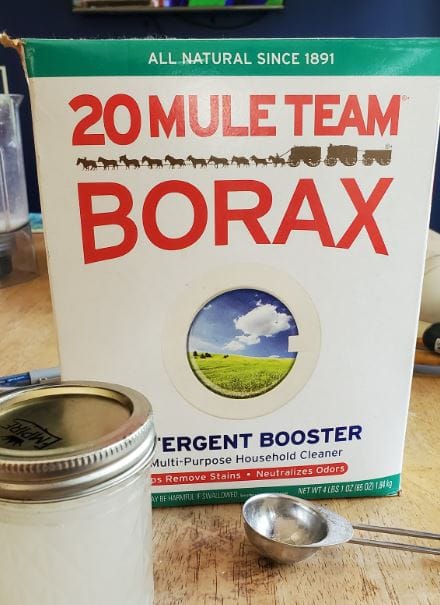
Borax, also known as sodium tetraborate, is a naturally occurring mineral compound. It’s widely recognized for its cleaning, disinfecting, and insecticidal properties. The theory behind using borax for mice revolves around its action as a slow-acting poison.
The proposed mechanism is similar to how it kills insects. When ingested in large enough quantities, borax is believed to disrupt the mouse’s digestive system and cause acute toxicity. It can also abrade the exoskeletons of insects, though this is less relevant for mammals. The idea is that a mouse would consume a borax bait and eventually succumb to poisoning.

The Verdict: Is Borax an Effective Mouse Killer?
The short and critical answer is: It is not a reliable or recommended method for killing mice.
While it is theoretically possible for a large dose of borax to kill a small mammal like a mouse, several factors make it a poor choice in practice.
- Unpalatable Bait: Mice have a keen sense of smell and taste. Pure borax powder has no appealing smell or taste to attract a mouse. They are intelligent and neophobic (wary of new things), making them highly likely to simply avoid a pile of white powder.
- Dosage Uncertainty: There is no established lethal dose (LD50) for borax specifically in mice. The amount needed to kill would depend on the size, age, and health of the mouse. You could easily lay out bait that makes a mouse sick but not kill it, leading to unnecessary suffering.
- Slow and Inhumane: If it does work, borax poisoning is not a quick or humane death. It can cause internal distress, vomiting, and seizures over a period of time.
A pest control expert we spoke to emphasized this point:
“Homeowners often look for cheap, DIY solutions, but with rodent control, effectiveness and safety should be the top priorities. Borax is a wild card. You might get lucky, but you’re more likely to end up with a sick mouse dying in an inaccessible part of your walls, creating a foul odor and a biohazard. We never recommend it.” — Michael Torres, Certified Pest Control Professional
Borax vs. Commercial Rodenticides: A Head-to-Head Comparison
The following table clearly illustrates why borax falls short compared to products designed specifically for the task.
| Feature | Borax | Commercial Rodenticide Baits |
|---|---|---|
| Effectiveness | Low and Unreliable | High and Proven |
| Attractiveness | Low; needs to be mixed with an attractive bait (peanut butter, etc.) | Formulated with food-grade attractants and flavorizers |
| Speed of Action | Slow and unpredictable (days) | Predictable (often within 1-3 days with anticoagulants) |
| Safety for Humans/Pets | High Risk; toxic if ingested, causes skin/eye irritation | High Risk; but often come in secured bait stations |
| Primary Risk | Accidental poisoning of non-target animals and children | Secondary poisoning of pets that eat a dead rodent |
| Regulation & Guidance | Not approved or labeled for rodent control | EPA-regulated with clear usage instructions |
As the table shows, commercial options are engineered for the job. They are more effective, and when used correctly in tamper-resistant bait stations, can manage the risks more predictably than a DIY borax mixture.
The Significant Dangers of Using Borax for Pest Control
The ineffectiveness of borax is only half the problem. The significant dangers often outweigh any potential benefit.
- Risk to Children and Pets: This is the most critical concern. Borax is often kept in homes with children and pets, who are naturally curious. Ingestion of even a small amount can cause nausea, vomiting, and other serious health issues. A dog or cat that finds and eats a borax-laced bait is in immediate danger.
- Secondary Poisoning: If a mouse does consume borax and is then caught and eaten by a family cat or a neighborhood owl, the poison can transfer and harm or kill that predator. This disrupts the local ecosystem.
- Biohazard from Carcasses: An ineffective poison can lead to a mouse dying inside your walls or ceiling. A decaying carcass creates an unbearable stench and can attract other pests like insects, creating a bigger problem than you started with.
Safer and More Effective Alternatives to Borax
Instead of gambling with borax, consider these proven methods:
- Snap Traps: The classic, time-tested solution. They are inexpensive, provide immediate results, and allow for easy disposal. Bait them with peanut butter or chocolate for best effect.
- Electronic Traps: These deliver a quick, humane shock to the rodent. They are clean, reusable, and indicate when a catch has been made.
- Live Catch Traps: For those who prefer a non-lethal method, these traps capture the mouse alive so you can release it far from your home. (Check local regulations on relocating wildlife).
- Professional Pest Control: For severe or persistent infestations, this is the best option. Professionals can identify entry points, use the most effective baits safely, and provide a long-term solution.
The Final Conclusion
So, can borax kill mice? Technically, perhaps, but it is highly ineffective, unsafe, and inhumane.
Using borax for rodent control is a risky DIY experiment with a very low chance of success and a high chance of creating additional health hazards for your family and pets. The potential consequences—from a poisoned pet to a mouse decaying in your home—are simply not worth the risk.
Your time and money are far better invested in proven methods like snap traps or by consulting a professional pest control service. They offer a reliable, safe, and definitive solution to your mouse problem.