How to Clean Pontoons with Vinegar: A Complete Guide
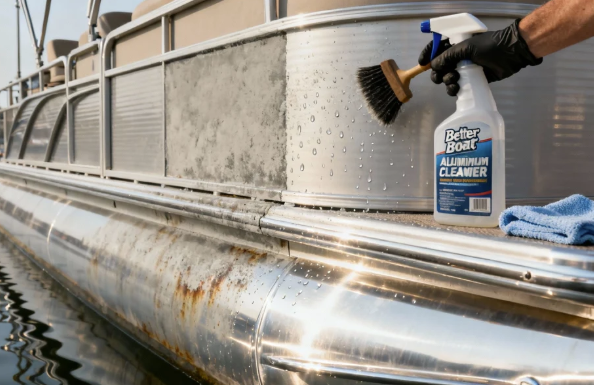
Cleaning aluminum pontoons with vinegar is one of the most cost-effective and environmentally friendly methods for restoring your boat’s appearance. White distilled vinegar contains acetic acid (typically 5–8%), which effectively breaks down the mineral deposits, oxidation, and waterline scum that accumulate on pontoon tubes . This guide provides a detailed, step-by-step approach to safely cleaning your pontoons with vinegar, including a comparison of methods to help you choose the right strategy for your boat’s condition.
Why Vinegar Works on Aluminum Pontoons
The cleaning power of vinegar comes from its mild acidity. When applied to aluminum pontoons, the acetic acid dissolves hardened minerals left behind by water evaporation—the primary cause of stubborn water spots and cloudy discoloration . Unlike harsh commercial acid cleaners, vinegar provides a gentler alternative for routine maintenance, lifting surface contaminants without rapidly damaging the underlying aluminum .
It is important to understand that vinegar is a maintenance and light-restoration tool, not a solution for heavily neglected pontoons. For severe oxidation or years of built-up staining, professional-grade aluminum brighteners may be required .
Preparation: Setting Up for Success
Before applying any cleaning solution, proper preparation is essential to ensure the vinegar works directly on stains rather than loose debris.
Step 1: Position the Boat for Access
The pontoon must be dry-docked or securely trailered to provide safe and complete access to the tubes .
Step 2: Gather Safety Equipment
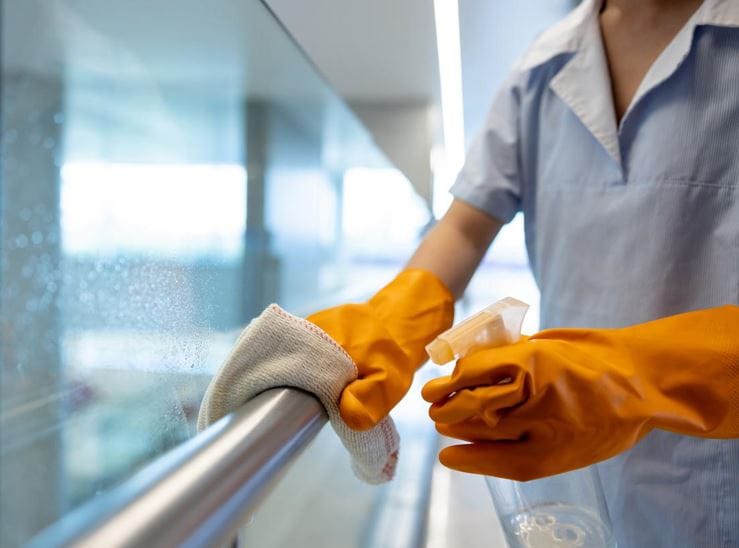
Even mild acids can irritate skin and eyes over time. Wear protective eyewear and acid-resistant gloves throughout the process .
Step 3: Remove Loose Debris
Rinse the pontoon tubes thoroughly with fresh water from a hose or pressure washer. This initial rinse removes mud, marine growth, and surface dirt, allowing the acetic acid to penetrate oxidized aluminum and mineral stains more efficiently .
The Vinegar Cleaning Solution: Ratios and Application
Standard Mixing Ratios
Pro Tip: For best results, use distilled water when mixing your solution. Distilled water contains no minerals, so it won’t contribute to new water spots during the cleaning process .
Application Process
Step 1: Transfer to Sprayer
Pour your mixed solution into a garden sprayer or spray bottle for even application .
Step 2: Work in Sections
Apply the solution to manageable sections—approximately three to four feet of pontoon at a time. This controlled approach prevents the solution from drying unevenly .
Step 3: Observe Dwell Time
Allow the solution to remain on the surface for 30 seconds to 15 minutes, depending on the severity of staining. For light water spots, 30–60 seconds is sufficient. For heavier mineral deposits, allow up to 5–15 minutes .
Critical Warning: Do not allow the vinegar solution to dry on the aluminum surface. Drying can cause streaking and an uneven finish. If the solution begins to evaporate, reapply or move to the next section .
Agitation and Rinsing
Step 1: Gentle Scrubbing
After the dwell time, gently scrub the area using a non-abrasive tool: a soft-bristle brush, sponge, or microfiber pad. Steady, even pressure helps agitate loosened oxidation and stains without scratching the aluminum .
Step 2: Immediate Thorough Rinse
Rinse each section immediately with fresh water after scrubbing. This step halts the acid’s chemical action and removes all residue. Failure to rinse completely can allow residual acid to continue reacting with the metal, potentially causing etching or streaking .
Step 3: Dry the Surface
Dry the cleaned areas with clean microfiber cloths to prevent new water spots from forming .
Comparison: Vinegar vs. Professional Cleaners
Understanding when vinegar is appropriate—and when it isn’t—is essential for protecting your investment. The following table compares common pontoon cleaning approaches.
Understanding the Limitations
Some marine detailing professionals advise against household acids like vinegar on aluminum, citing risks of etching and discoloration . These warnings primarily apply to concentrated or prolonged exposure without proper rinsing. When used correctly—at a 50/50 dilution, with limited dwell time, and thorough rinsing—vinegar is a safe and effective maintenance cleaner for most pontoon owners .
If your pontoons have years of built-up oxidation or severe staining, vinegar alone will not restore a mirror-like finish. In these cases, a professional-grade aluminum brightener or professional detailing service is the appropriate solution .
Post-Cleaning Protection
After cleaning and drying, applying a protective coating significantly extends the life and appearance of your pontoons.
Aluminum Polish or Sealant
Apply a marine-grade aluminum polish or specialized sealant to the dry pontoon tubes. These products create a protective layer that shields the metal from future oxidation, UV exposure, and waterline stains. The sealant makes the surface slicker, simplifying future maintenance and keeping the pontoon cleaner for longer .
Vinegar for Pontoon Seats and Vinyl
Vinegar is not limited to aluminum pontoons. A 1:1 solution of white vinegar and water is also effective for cleaning stubborn stains on marine-grade vinyl seating . For light mildew on vinyl or canvas, spray the solution, let it sit for about 10 minutes, scrub gently with a soft brush, then rinse thoroughly and dry completely .
Important Caveat: While vinegar is useful for vinyl maintenance, some manufacturers recommend avoiding acid-based cleaners on seats to preserve plasticizers and UV inhibitors. Always test in an inconspicuous area first, and follow your boat manufacturer’s recommendations .
Safety Precautions and Best Practices
Conclusion
Cleaning pontoons with vinegar is a practical, affordable, and environmentally responsible approach for maintaining your boat’s appearance. The 50/50 vinegar-water solution effectively dissolves the mineral deposits and light oxidation that cause water spots and dulling, provided you follow proper application and rinsing procedures.
For routine maintenance, vinegar is an excellent choice. For heavily oxidized or severely stained pontoons, vinegar serves as a preparatory step before applying a commercial aluminum brightener. Regardless of the method chosen, always prioritize thorough rinsing, surface protection after cleaning, and consistent maintenance to keep your pontoons looking their best season after season.