Finding Your Waterside Home: The Real Pros and Cons
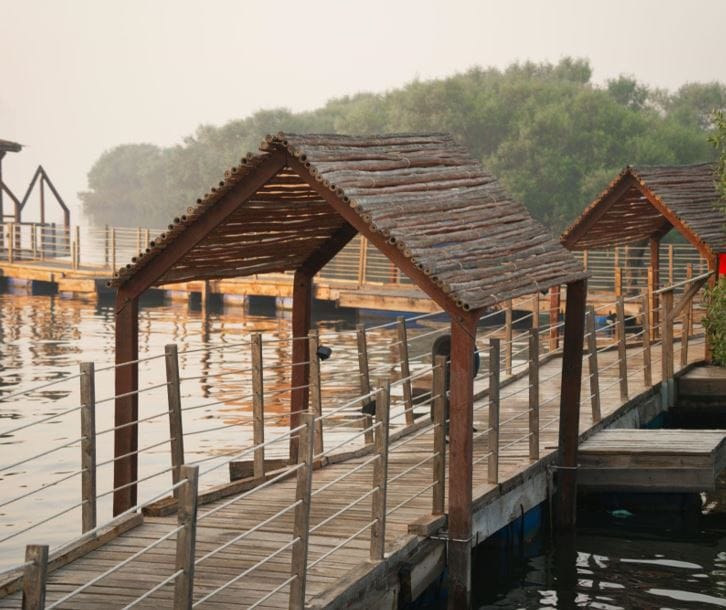
The allure of living by the water is a universal phenomenon that transcends generations. Whether it is the rhythmic sound of waves crashing against a sandy shoreline, the tranquil stillness of a glass-like lake at dawn, or the gentle, meandering flow of a coastal inlet, waterside living offers an aesthetic and a lifestyle that landlocked properties simply cannot replicate. For many, acquiring a home by the water represents the pinnacle of real estate achievement. It is a symbol of success and a gateway to a more relaxed existence.
However, transitioning from dreaming about a waterside escape to actually purchasing and maintaining one requires a significant reality check. Buyers must look beyond idyllic sunset photographs and critically evaluate the tangible benefits and substantial challenges associated with this type of real estate. Understanding the real pros and cons is essential for making an informed investment that enhances your life rather than complicating your financial future.
The Definitive Advantages of Living by the Water
The premium placed on coastal and lakeside real estate is not merely a product of market hype or fleeting trends. There are concrete, lasting benefits to securing a property at the edge of the water that justify the initial investment.
- Unrivaled Scenic Beauty and Daily Tranquility: The most immediate and obvious benefit of a waterside home is the view. These properties provide a dynamic, ever-changing landscape that serves as a natural, living extension of your interior space. This constant connection to nature significantly elevates the daily living experience. Unlike urban or suburban environments where views can be abruptly obstructed by new commercial construction or expanding neighborhoods, a property situated directly on the water often guarantees a permanent, unobstructed vista. The visual appeal alone is a primary driver for buyer demand.
- Demonstrable Health and Wellness Benefits: Modern science heavily supports the psychological and physiological advantages of living near bodies of water. Environmental psychologists have extensively studied the “Blue Mind” theory. This concept describes a mildly meditative state characterized by calm, peacefulness, and general happiness triggered by proximity to water. The natural environment inherently encourages outdoor activities such as swimming, kayaking, sailing, paddleboarding, or simply walking along the shore at the end of the day. This naturally promotes a more active cardiovascular routine and a significantly healthier lifestyle overall.
- Strong Investment Potential and Generational Wealth: From a purely financial perspective, waterside real estate remains one of the most resilient and lucrative asset classes available. The fundamental economic rule of supply and demand heavily favors these properties. There is a finite amount of habitable shoreline available globally. Because developers cannot manufacture more coastal land, these properties tend to hold their value exceptionally well during broader real estate market downturns. Furthermore, they historically appreciated at a notably higher rate during economic booms than standard inland homes, making them excellent vehicles for building generational wealth.
Navigating Regional Nuances and Market Variations
The reality of your waterside escape will be heavily dictated by the specific geography you choose. The daily lifestyle and the associated environmental challenges vary wildly from one coastline or lakefront to another. For example, buyers looking at the dramatic, rocky cliffs of Carmel-by-the-Sea, California, will face very different environmental regulations, seismic building codes, and weather patterns than those seeking a secluded retreat near the serene, tree-lined lakes of Upstate New York. Moving further south, the market presents its own unique blend of opportunities and necessary precautions.
Those exploring the sun-drenched Gulf Coast will find that waterfront homes in Fort Myers offer incredible access to deep-water boating and year-round warm weather. Still, they also require a thorough understanding of hurricane preparedness and highly specific local building standards. Selecting the right region requires as much diligent research as selecting the physical house itself.
Essential Due Diligence for Aquatic Properties
Before finalizing any purchase, buyers must engage in specialized inspections that go far beyond a standard home appraisal. The interaction between the land and the water determines the property’s true usability. Buyers must verify the exact location of the property lines, as water levels fluctuate and historical boundaries can sometimes be submerged. Additionally, understanding riparian rights is crucial. These are the legal rights of a property owner whose land borders a body of water. You must confirm what you are legally allowed to do regarding building docks, installing boat lifts, or modifying the shoreline. Furthermore, an inspection of the water depth at both high and low tides is necessary if you plan to keep a motorized vessel on the premises.
The Challenges and Hidden Costs of Waterside Ownership
While the benefits are undeniably attractive, the realities of maintaining a property in a marine or aquatic environment can be daunting for the unprepared buyer. A truly informed investor must carefully weigh the following disadvantages.
- Accelerated Wear and Tear on Materials: Nature is exceptionally harsh on building materials placed near the water. Properties located near saltwater oceans or gulfs are subjected to relentless, corrosive salt spray. This rapidly accelerates the degradation of metal fixtures, destroys exterior paint, and compromises roofing materials much faster than in inland conditions. Even in freshwater areas, humidity levels are constantly elevated, leading to persistent mold, mildew, and accelerated wood rot on decks and siding. Homeowners must budget for a significantly more rigorous and frequent maintenance schedule.
- Exorbitant Insurance Premiums: Financial calculations for waterside real estate must include a realistic and often sobering assessment of insurance costs. Standard homeowners’ insurance policies rarely cover flood damage. Buyers will almost certainly need to purchase separate, often expensive, flood insurance policies through specialized providers or federal programs. Depending on the exact geographic location, additional windstorm, hurricane, or earthquake coverage may also be legally or financially mandatory. These recurring annual expenses can add thousands of dollars to the total cost of ownership.
- Vulnerability to Environmental Factors: Shifting global weather patterns introduce a serious layer of unpredictability to life along the water. Rising sea levels, aggressive coastal erosion, and the increasing frequency of severe storms pose existential threats to certain coastal and riverine communities. Prospective buyers must conduct extensive historical due diligence on the property’s elevation above sea level, storm-surge data in the immediate area, and the structural integrity of any existing seawalls, bulkheads, or retaining walls.
- Potential Privacy Compromises: Waterside living often comes with unexpected public access issues that buyers may not anticipate. In many jurisdictions, the beach or the water itself is legally considered public property up to the mean high-water mark. This means you might frequently have tourists, recreational boaters, or fishermen utilizing the space immediately adjacent to your private backyard. Furthermore, acoustic properties dictate that noise travels exceptionally well and far across open water. The sound of a distant jet ski, a loud boat engine, or a late-night gathering on the water can easily reach your bedroom window, potentially disrupting the peace you sought to acquire.
Making the Final, Informed Decision
Acquiring a waterside escape is a monumental financial and personal decision that blends intense emotional appeal with highly complex logistical realities. The dream of waking up to the sound of moving water is entirely achievable, provided you approach the purchase with a clear, analytical mindset rather than purely romantic notions.
By openly acknowledging the demanding physical maintenance requirements, preparing your finances for the elevated insurance costs, and thoroughly researching the specific geographic region and local regulations, you can successfully mitigate the inherent risks. Ultimately, if the budget allows and meticulous preparations are made, the unparalleled lifestyle, the daily mental health benefits, and the enduring financial value of a home by the water make it an extraordinary investment. It is a commitment that pays profound dividends in both tangible equity and personal well-being for years to come.