From Construction Site to Sanctuary: The Post-Renovation Guide
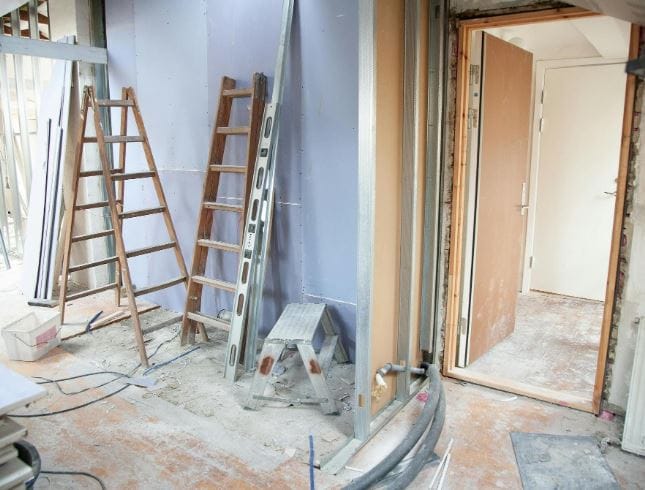
Walking into your home after a long renovation feels like crossing a finish line. The vision you had for months is finally a reality in front of your eyes. You can see the new tile and the fresh paint, but you can probably also see a thin layer of white dust over everything.
Turning a construction site back into a living space takes more than a quick sweep. It requires a systematic approach to handle the unique mess left behind by builders. This guide will help you navigate the transition so you can actually enjoy your new sanctuary.
Start With Airflow and Ventilation
The first step in reclaiming your home is clearing the air of fumes and fine particles. Fresh paint and new materials often release gases that linger in closed rooms. Open every window you can to create cross-ventilation and use large fans to help these gases exit the house.
Getting the air moving does more than just remove smells. It helps settle the remaining airborne dust so you can clean it off surfaces later. If you have an HVAC system, check the filters immediately to see if they are clogged with drywall debris.
Understanding the Risks of Construction Dust
Construction dust is not the same as the grey fluff you find under your bed. It is often made of heavy materials like silica from concrete or mortar. These particles are small enough to breathe in and can be a health hazard if they are not removed properly.
Many homeowners think a standard vacuum can handle the job. When you hire new build cleaning services to finish your home, they use industrial equipment designed for this heavy lifting. Using a household vacuum can often blow the fine dust back out into the air through the exhaust.
Create a Logical Cleaning Order
Success in a post-renovation cleanup comes down to the order of your tasks. Most experts suggest a flow that follows the path of construction itself. You want to start with the structural changes and move toward the final finishes.
Working from the top down is the golden rule of cleaning. If you scrub the floors first, you will just get them dirty again when you wipe the ceiling fans. Focus on the highest points in each room before moving to the mid-level surfaces.
High-Level Dusting and Fixtures
Tackle the areas that are easy to forget but hold the most debris. Ceiling fans and light fixtures are magnets for sawdust and drywall powder. Dusting these early prevents them from dropping dirt onto your freshly cleaned furniture later.
- Wipe down the tops of door frames and window tracks.
- Clean the inside of light globes where insects and dust collect.
- Dust the tops of tall cabinets and crown molding.
Managing Walls and Vertical Surfaces
Walls often look clean from a distance, but they hold a significant amount of static dust. Use a microfiber cloth or a damp mop to wipe them down from top to bottom. This prevents the “ghosting” effect, where dust streaks appear later when the humidity changes.
Avoid using too much water on fresh paint. A lightly damp cloth is usually enough to pick up the powder without damaging the finish. Pay close attention to the baseboards, as they act as a shelf for everything falling from above.
Professional Cleaning Trends and Growth
The demand for expert help in this area is rising quickly. The global market for cleaning services is expected to reach $482 billion by 2027. Many people realize that the specialized tools needed for a deep clean are worth the investment.
Commercial cleaners are seeing a huge spike in revenue as more people renovate their existing homes. Having a pro handle the initial deep scrub allows you to focus on the fun parts of moving back in. It also ensures that the hidden dust in corners is gone for good.
Specialized Care for Floors and Carpets
Floors take the brunt of the traffic during a build. Whether it is mud from boots or drops of plaster, the damage can be serious. The carpet and upholstery cleaning industry is growing at nearly 9% a year because these surfaces require professional extraction.
Hard floors need a different touch than carpets. For dried paint on tiles or timber, use a soft cloth with warm water and a very mild soap. Do not reach for a metal scraper, as you might scratch your brand-new flooring before you even use it.
Taking the time to clean properly ensures your renovation stays looking new for years. It is tempting to rush the process to see the final result, but a slow and steady approach is better. Once the dust is gone, you can finally sit back and enjoy the space you worked so hard to create.