How to Clean a Belt: A Material-by-Material Guide for Longevity
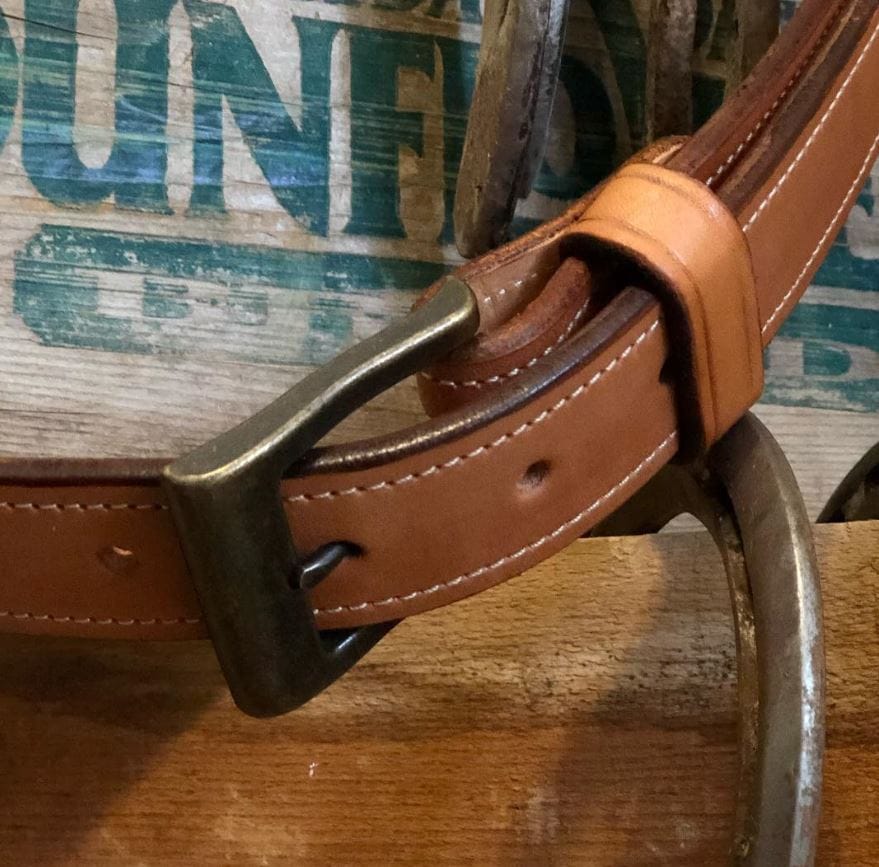
A quality belt is an investment in your wardrobe. Yet, it’s one of the most neglected accessories when it comes to maintenance. Dirt, sweat, and body oils degrade leather, canvas, and synthetics over time. Cleaning a belt incorrectly—such as submerging it in water—can cause permanent damage.
This guide provides a professional, material-specific approach to cleaning belts, ensuring they retain structure, color, and function.
Why Cleaning Method Matters More Than Frequency
Before cleaning, identify the belt’s material. Using leather conditioner on a canvas belt will stain it; soaking a leather belt in water will cause cracking and warping. Below is a quick risk assessment:
| Material | Common Damage from Wrong Cleaning | Correct Cleaning Difficulty |
|---|---|---|
| Full-Grain Leather | Cracking, loss of oils, water stains | Moderate |
| Suede / Nubuck | Permanent water marks, stiffness | High |
| Canvas / Nylon | Fading, shrinkage | Low |
| Vegan Leather (PU/PVC) | Peeling, delamination | Moderate |
| Metal / Chain | Tarnish, rust | Low |
Step 1: The Universal Pre-Clean (All Belt Types)
Regardless of material, always start with these two non-negotiable steps:
- Remove the buckle (if possible). Use a screwdriver or pliers to detach the prong or roller buckle. This prevents metal corrosion and allows you to clean the buckle holes.
- Dry brush. Use a soft horsehair brush or a dry microfiber cloth to remove loose dust, lint, and debris from the entire belt surface.
Step 2: Material-Specific Cleaning Protocols
A. How to Clean a Leather Belt (Finished Leather)
Do not soak or machine wash. Water forces tannins out of leather, causing stiffness.
Supplies:
- Saddle soap (e.g., Fiebing’s)
- Damp sponge (wrung out completely)
- Leather conditioner (e.g., Bick 4)
Procedure:
- Rub saddle soap onto the damp sponge to create a light lather.
- Work the lather into the belt using small circular motions. Clean one section at a time.
- Immediately wipe off excess soap with a clean, dry cloth. Do not let it dry on the surface.
- Allow the belt to air dry flat (not curled) for 2 hours away from direct heat or sunlight.
- Apply leather conditioner sparingly. Buff after 10 minutes.
B. How to Clean a Suede or Nubuck Belt
Never use water or saddle soap. Water destroys the nap (textured surface).
Supplies:
- Suede eraser (crepe block)
- Suede brush (brass or nylon bristles)
- White vinegar (for stains only)
Procedure:
- Rub the suede eraser over stains and soiled areas to lift dirt particles.
- Brush vigorously in one direction to restore the nap.
- For oily stains: Dab a cloth in white vinegar, blot the stain (do not rub), then let dry and brush again.
C. How to Clean a Canvas or Nylon Belt
These are the most forgiving. Many are machine-washable, but check the tag first.
Comparison: Hand Wash vs. Machine Wash
| Factor | Hand Wash (Recommended) | Machine Wash |
|---|---|---|
| Water temp | Cool | Cold, delicate cycle |
| Detergent | Mild dish soap or laundry detergent | 1 tsp gentle detergent |
| Agitation | Gentle scrub with soft brush | Low spin, no fabric softener |
| Drying | Air dry only | Air dry only (never machine dry) |
| Risk | Minimal | Buckle damage, fraying edges |
Best practice: Fill a sink with cool water and a drop of mild detergent. Submerge the belt, scrub with a soft brush, rinse, press out water (don’t wring), and hang to dry.
D. How to Clean Vegan Leather (PU / Polyurethane)
Vegan leather is plastic-coated fabric. Harsh cleaners cause peeling.
Do: Wipe with a 1:10 solution of dish soap to water on a microfiber cloth.
Do not: Use oil-based cleaners, alcohol, or bleach.
Dry immediately after wiping. Once per month, apply a UV-protectant spray for synthetic materials to prevent cracking.
Step 3: Cleaning the Buckle and Hardware
| Buckle Material | Cleaning Agent | Tool | Prohibited |
|---|---|---|---|
| Brass / Copper | Lemon juice + baking soda paste | Soft toothbrush | Abrasive pads |
| Silver / Silver-plate | Silver polish (e.g., Wright’s) | Microfiber cloth | Tarnish dip (damages leather) |
| Stainless steel | Rubbing alcohol (70%) | Cotton swab | Bleach |
| Painted / Enamel | Mild soap + water | Q-tip | Solvents (acetone) |
Important: Clean hardware separately from the belt. If the buckle is non-removable, apply cleaner to a cloth first—never spray directly.
Step 4: Drying and Storage to Prevent Re-soiling
Improper drying undoes all your work.
- Never use: Hair dryer, radiator, clothes dryer, or direct sunlight. Heat shrinks and cracks all belt materials.
- Always use: Room temperature, open air. Lay leather belts flat; hang canvas belts over a padded hanger.
- Storage: Roll leather belts loosely (don’t fold) or hang on a belt rack. Store suede in a dust bag.
Maintenance Schedule for Belt Longevity
| Belt Type | Spot Clean | Deep Clean | Condition |
|---|---|---|---|
| Leather (daily wear) | Weekly wipe | Every 3 months | Every 3 months |
| Suede | After each wear (brush) | Every 6 months | Never (do not condition) |
| Canvas | As needed | Every 4 months | Not required |
| Vegan leather | Monthly wipe | Every 6 months | UV spray only |
When to Replace Instead of Clean
Professional cleaning cannot fix:
- Cracking across the bend line (leather dry rot)
- Delamination (vegan leather peeling in sheets)
- Permanent musty odor (mold inside the core)
- Stretched holes (the belt no longer holds tension)
A belt that shows these signs should be replaced. For high-quality full-grain leather, however, proper cleaning and conditioning can extend life beyond a decade.
Final Professional Tip
Always test any cleaner on an inconspicuous area—such as the tongue end that sits inside the buckle—before applying to the entire belt. This single step prevents catastrophic discoloration and preserves your investment.