A Simple Trick Designers Use to Make Homes Feel Brighter and Cleaner
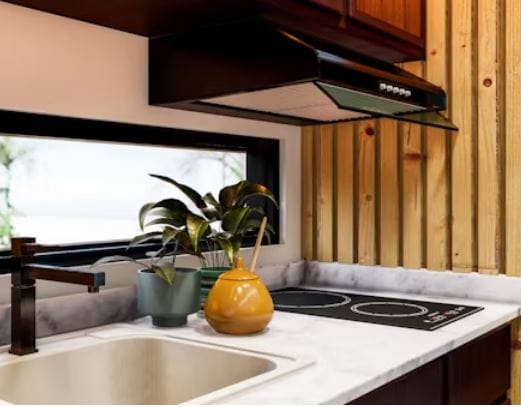
A freshly cleaned room has a certain feeling. Surfaces are wiped, floors are vacuumed, everything is in its place — yet sometimes the space still feels flat or unfinished.
Often the missing element isn’t cleaning at all. It’s lighting.
Light quietly influences how we perceive order, comfort, and atmosphere in a home. When a room is lit well, it appears more open and balanced. When lighting is harsh or uneven, even a tidy space can feel dull or slightly uncomfortable.
Interior designers often say that lighting is the final layer of a room — the element that reveals all the work already done.
Why Lighting Changes How We See a Space
Human perception is highly sensitive to light. Soft illumination makes surfaces appear smoother and spaces feel more welcoming. Sharp overhead light can exaggerate shadows and imperfections.
This is why well-designed interiors rarely rely on a single light source. Instead, designers combine several layers:
- ceiling lighting for general visibility
- table or floor lamps for warmth
- accent lighting to highlight focal points
When these layers work together, the result is a room that feels naturally organized and calm.
The Quiet Rise of Neon in Interior Design
For many years neon belonged mostly to city streets — diners, theaters, and storefront windows. Today it is finding a new place indoors.
Modern LED-based neon has made it possible to introduce that distinctive glow into homes without the fragility of traditional glass tubing. Designers now use it as a subtle accent that adds personality while still blending with the surrounding décor.
Instead of large commercial signs, the focus has shifted toward smaller, carefully designed pieces that function more like light-based artwork.
Studios specializing in custom neon signs for interiors have helped drive this shift by designing pieces scaled specifically for living spaces rather than outdoor signage.
Where Neon Works Best in a Home
Neon tends to work best when it acts as a secondary light source rather than the main one.
In kitchens, a small neon element above a coffee bar or shelf can introduce warmth in the evening hours. Living rooms benefit from soft accent lighting that adds depth without competing with ceiling fixtures.
Home offices have also become a popular place for creative lighting. Many remote workers use subtle illuminated pieces to make workspaces feel more personal and less institutional.
When used thoughtfully, the light becomes part of the room’s atmosphere rather than the center of attention.
Choosing the Right Accent Lighting
Decorative lighting should support a space rather than dominate it. A few simple principles usually help achieve that balance.
Warm color temperatures tend to feel more comfortable in living areas. Placement also matters — light interacting with textured walls, mirrors, or wood surfaces will create different effects.
It is also worth thinking about scale. A small, well-proportioned piece often works better than something oversized that competes with furniture or artwork.
For homeowners exploring possibilities, collections of custom neon lighting designs offer useful examples of how illuminated pieces can integrate naturally into different interior styles.
The Final Layer of Interior Design
Cleaning and organizing create the foundation of a comfortable home. Lighting reveals it.
A well-lit room highlights the care put into maintaining the space and makes everyday environments feel more inviting. Whether it comes from a floor lamp, a pendant above a table, or a subtle neon accent on the wall, the right light transforms how a home is experienced.
And sometimes, that final layer is what makes a clean room truly feel complete.