The Ultimate Guide: How to Clean a Marble Mortar and Pestle Without Damaging It
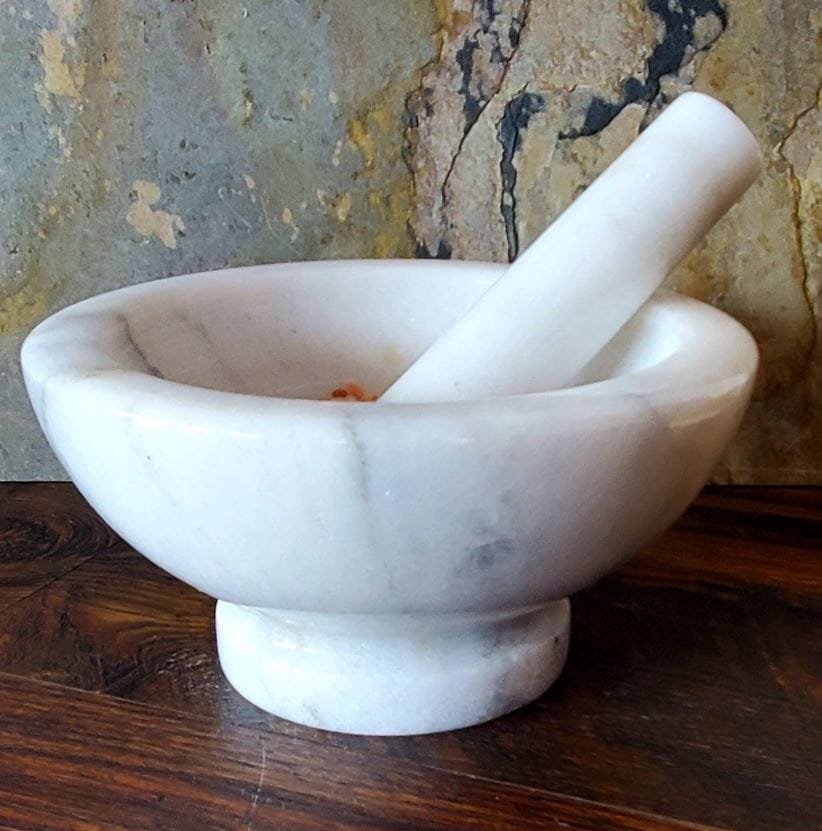
There is a reason chefs and grandmothers alike swear by the marble mortar and pestle. It is the workhorse of the kitchen—a timeless tool used to grind spices, smash garlic for paste, and create everything from pesto to guacamole with authentic texture.
However, if you have ever ground down a batch of cumin seeds or pounded garlic and herbs, you know the aftermath: stubborn stains, greasy residue, and lingering odors. Because marble is a porous, soft, and acid-sensitive natural stone, you cannot simply toss it in the dishwasher or scrub it with bleach.
In this comprehensive guide, we will walk you through the best methods to clean your marble mortar and pestle. Whether you are dealing with wet paste or dry spices, we have the solution. By the end, your mortar will look as pristine as the day you bought it.
Why Marble Requires Special Care
Before diving into the “how,” it is crucial to understand the “why.” Marble is composed primarily of calcium carbonate. This composition makes it vulnerable to:
- Acids: Lemon juice, vinegar, and tomatoes can etch the surface, leaving dull marks.
- Abrasives: Steel wool or harsh scrub pads will scratch the polished surface, creating pockets where bacteria can hide.
- Moisture: Being porous, marble can absorb liquids, leading to discoloration if not dried properly.
Because of these factors, cleaning a marble mortar requires a gentler touch than cleaning ceramic or granite tools.
Method 1: The Basic Daily Clean (For Dry Spices)
If you have just ground cumin, coriander, or peppercorns, you are in luck. Dry spices are the easiest to clean.
Step-by-Step:
- Tap Out the Excess: Turn the mortar upside down over the trash can and tap the bottom firmly. Most of the residual powder will fall out.
- Dry Wipe: Use a dry paper towel or a soft, dry brush (like a pastry brush) to wipe the interior and the pestle.
- The Rice Trick (Optional): If you see fine dust stuck to the surface, grind a tablespoon of raw white rice in the mortar. The rice will absorb oils and pick up the remaining dust. Discard the rice powder.
- Final Wipe: Wipe with a dry cloth.
Best for: Cumin, fennel, pepper, nuts, and seeds.
Method 2: The Deep Clean (For Wet Ingredients & Pastes)
This is the most common scenario: you have just made pesto, alioli, or a curry paste. The mortar is now coated in sticky, fragrant oils. Here is how to tackle it without soap (which can leave a residue that taints future food).
Step-by-Step:
- Initial Rinse: Rinse the mortar and pestle immediately with hot water (not boiling—extreme heat can crack the stone). This removes the bulk of the ingredients.
- Create a Slurry: Add a tablespoon of coarse salt (kosher or sea salt) and a small amount of warm water to the mortar.
- Scrub with the Pestle: Using the pestle, grind the salt against the sides and bottom of the mortar. The salt acts as a gentle abrasive, lifting oils and food particles without scratching the marble.
- Let it Sit: Allow the salty slurry to sit for 5–10 minutes. The salt will help draw out any odors.
- Rinse Thoroughly: Rinse with warm water.
- Baking Soda Paste (For Stubborn Stains): If the marble still looks stained, make a paste of baking soda and water. Apply it to the stain, cover with plastic wrap, and let it sit overnight. Rinse in the morning.
Best for: Garlic, herbs, wet spices, and pesto.
Method 3: The Deodorizing Clean (For Smelly Ingredients)
Garlic and fish sauce are wonderful in food but terrible when they linger in your tools. If your mortar smells like last week’s dinner, follow this deodorizing protocol.
Step-by-Step:
- Lemon & Salt (Use with Caution): While lemon is acidic, a quick scrub with half a lemon dipped in salt can neutralize odors. However, limit this contact to less than 60 seconds to prevent etching. Rinse immediately.
- The Baking Soda Overnight Soak: As mentioned above, a baking soda paste left overnight is the safest way to absorb deep-set odors.
- Sunlight: If the weather permits, wash the mortar with plain water and place it in direct sunlight for a few hours. UV light is a natural deodorizer and bactericide.
Comparison Table: Cleaning Methods at a Glance
| Method | Best For | Materials Needed | Time Required | Risk Level |
|---|---|---|---|---|
| Dry Rice Scrub | Dry Spice Residue | Raw Rice | 2 Minutes | Very Low |
| Salt Scrub | Oils, Pastes, Garlic | Coarse Salt, Water | 5–10 Minutes | Very Low |
| Baking Soda Paste | Stains & Lingering Odors | Baking Soda, Water | Overnight | None |
| Dish Soap (Diluted) | General Grease (Last Resort) | Mild Soap, Soft Sponge | 5 Minutes | Moderate (Residue Risk) |
| Bleach/Vinegar | NEVER | N/A | N/A | High (Damage Risk) |
What to Avoid: The “Don’ts” of Marble Care
To ensure your mortar lasts a lifetime, avoid these common mistakes:
- Dishwashers: The heat, detergent, and harsh water jets will erode the marble and potentially crack it.
- Vinegar or Lemon Soaks: While a quick wipe with lemon is okay for smell, soaking the bowl in vinegar will chemically burn the stone.
- Soap: Standard dish soap can leave a film. Marble is porous; it will absorb the soap, and you might taste it the next time you grind something. If you must use soap, use a tiny amount of pH-neutral stone soap and rinse vigorously.
- Metal Scrubbers: These will leave gray scratches that are impossible to remove.
How to Season a New Marble Mortar and Pestle
Just like cast iron, a new marble mortar and pestle often benefits from “seasoning.” This process removes any stone dust left over from manufacturing and prepares the surface for use.
The Seasoning Process:
- First Wash: Wash the mortar and pestle with warm water and a soft cloth to remove shipping dust. Dry completely.
- The Grind: Place 2 tablespoons of white rice in the mortar. Grind vigorously until the rice turns to a fine powder. Discard.
- Repeat: Do this a second time. You will notice the first grind might be slightly gray (stone dust). The second grind should be pure white.
- Final Rinse: Rinse with water and dry. Your mortar is now ready for food.
Advanced Cleaning: Removing Tough Stains
Sometimes, despite your best efforts, a ring or stain appears. This is often caused by wet ingredients sitting too long.
The Poultice Method:
- Mix baking soda with water to form a thick paste (like peanut butter).
- Apply the paste to the stained area about ¼-inch thick.
- Cover the area with plastic wrap and tape the edges to seal it. Let it sit for 24–48 hours.
- As it dries, the paste will draw the stain out of the pores of the stone.
- Remove the plastic, let the paste dry completely, then wipe away with a damp cloth.
Note: This is for organic stains (food). For oil-based stains, you may need a solvent-based poultice using acetone mixed with diatomaceous earth, but for kitchen purposes, baking soda usually suffices.
Maintenance: Keeping Your Mortar Looking New
- Dry Immediately: After washing, do not let your mortar air dry on a rack. Water spots can lead to mineral deposits. Wipe it dry with a soft kitchen towel immediately.
- Oil the Exterior (Optional): If you want the exterior to retain a polished, “wet” look, you can apply a small amount of mineral oil (food-grade) to the outside only. Do not oil the interior, as it will affect the grind.
- Store Uncovered: Store your mortar in a dry place with the pestle removed, or leave the pestle in the mortar loosely to allow air circulation.
Frequently Asked Questions
Q: Can I use bleach to whiten my marble mortar?
A: Absolutely not. Bleach is a strong chemical that will react with the calcium carbonate in marble, causing yellowing, pitting, and structural damage.
Q: My white mortar has turned yellow. How do I fix it?
A: Yellowing can be caused by oils seeping into the stone. Try the Baking Soda Poultice method mentioned above. If the yellowing is due to age or deep oil saturation, it may be permanent but purely cosmetic.
Q: Is it safe to grind raw meat in a marble mortar?
A: Technically yes, but the porous nature of marble makes it difficult to sanitize 100% at home. If you grind meat, you must follow the salt scrub method immediately and ensure it is completely dry. It is better to dedicate a separate mortar for meat or stick to herbs and spices.
Q: The inside of my mortar feels rough, not smooth. What happened?
A: You may have scrubbed it with an abrasive pad or cleaned it with an acid, which etched the surface. You can try sanding it very gently with ultra-fine (1000+ grit) wet/dry sandpaper to restore the smoothness, but this is a delicate process.
Conclusion
A marble mortar and pestle is an investment in your culinary future. It provides a connection to food that electric grinders simply cannot replicate. By cleaning it correctly—using salt for abrasion, baking soda for odors, and avoiding harsh chemicals—you ensure that your spices taste like spices, and your tools remain heirlooms.
The next time you finish grinding a fragrant curry paste, don’t dread the cleanup. Armed with a box of coarse salt and a box of baking soda, you can have your mortar sparkling clean and ready for the next recipe in minutes.