How to Clean Your Retainer with Vinegar for a Healthier Smile
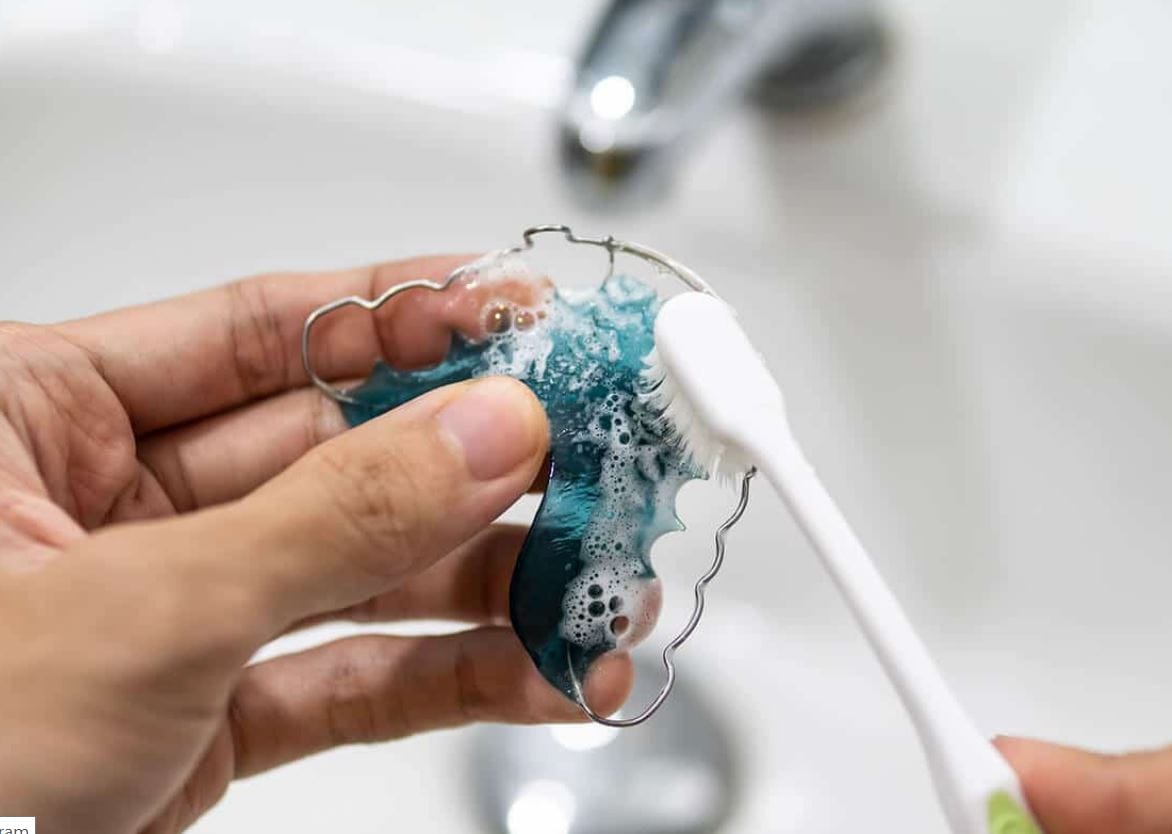
If you wear a retainer, you know it’s the key to maintaining that perfect smile after braces. However, your retainer can also be a breeding ground for bacteria if not cleaned properly. While there are many commercial cleaners on the market, you might be surprised to learn that one of the most effective and affordable solutions is already in your kitchen pantry: white vinegar.
In this comprehensive guide, we’ll explore exactly how to clean retainer with vinegar, why it works, and how it compares to other cleaning methods. We’ll also provide step-by-step instructions and crucial dos and don’ts to ensure you don’t damage your appliance.
Why Your Retainer Needs Regular Cleaning
Just like your teeth, your retainer accumulates plaque, bacteria, and food particles every time you wear it. If not removed, this buildup can harden into calculus (tartar) , leading to bad breath, gum irritation, and even infections .
Research has shown that retainers can harbor harmful bacteria like Staphylococcus aureus and MRSA . A dirty retainer doesn’t just smell bad—it can actually make you sick by introducing these germs back into your mouth . This is why cleaning your retainer at least once daily is crucial for your overall oral health .
Why Vinegar is a Great Choice for Cleaning Retainers
Vinegar, specifically distilled white vinegar, is a natural and non-toxic cleaner. Its cleaning power comes from its acidity (acetic acid), which is effective at breaking down the white calcium deposits (tartar) that brushing alone often misses . According to dental professionals, these mineral deposits are basic, and the acid in vinegar helps soften them so they can be brushed away .
Furthermore, scientific studies support its use. A 2019 study found that soaking clear plastic retainers in white vinegar eliminated more bacteria than brushing alone . Another study confirmed that using vinegar resulted in bacteria counts as low as using peroxide-based commercial tablets, proving its efficacy as a disinfectant .
How to Clean Your Retainer with Vinegar: Step-by-Step
Ready to get started? Follow this simple method to sanitize and deodorize your retainer safely.
What You’ll Need:
- White distilled vinegar (use 5% acidity, the standard concentration) .
- Lukewarm water (never hot!).
- A small glass or cup.
- A soft-bristled toothbrush (separate from your regular toothpaste).
- Baking soda (optional, for extra stain fighting) .
The Soaking Process:
- Mix the Solution: Combine equal parts white vinegar and lukewarm water in your cup. A standard mix is 50% vinegar and 50% water . For a gentler mix, you can use one part vinegar to two parts water .
- Submerge the Retainer: Place your retainer in the solution, ensuring it is fully covered.
- Soak: Let it soak for 15 to 20 minutes. If your retainer has heavy buildup, you can extend this to 30 minutes, but no longer .
- Light Brushing: After soaking, remove the retainer. Use your soft toothbrush to gently scrub away any loosened plaque or tartar. You can use a tiny bit of dish soap on the brush for extra cleaning power, but avoid toothpaste .
- Rinse Thoroughly: Rinse the retainer thoroughly under cool running water to remove any vinegar taste and loosened debris.
- Optional Baking Soda Rinse: If you still notice a slight vinegar smell, you can briefly dip the retainer in a baking soda and water mixture to neutralize the acid before doing a final water rinse .
Frequency
For maintenance, a vinegar soak once or twice a week is usually sufficient to prevent tartar buildup . For daily cleaning, simply brushing with a soft brush and rinsing with water is recommended .
Vinegar vs. Other Cleaning Methods: A Comparison
To help you understand where vinegar stands, here is a comparison of the most common retainer cleaning methods.
Scientific Backing: What Studies Say About Vinegar
You don’t have to take just our word for it. Several studies have put vinegar to the test against other commercial products.
- Bacterial Efficacy: A study published in the Turkish Journal of Orthodontics compared peroxide-based cleanser tablets, vinegar, and brushing alone. The results showed that vinegar was just as effective as the commercial tablets at reducing bacteria on retainers, and both were significantly better than brushing alone .
- Effect on Retainer Material: A major concern with any cleaner is whether it damages the retainer. A 6-month long-term study evaluated the effects of various cleaning methods on polyurethane (clear retainer) material. It found that 2.5% vinegar did not significantly affect the surface roughness or flexibility of the retainer material . While all cleaning methods caused some decrease in transparency over time, vinegar was not among the harshest offenders .
Dos and Don’ts of Retainer Care with Vinegar
To ensure your retainer stays in top shape, keep these important tips in mind.
The Dos:
- Do use lukewarm water. It helps the vinegar work effectively without warping the plastic .
- Do rinse your retainer under water before putting it back in your mouth to avoid swallowing acidic residue.
- Do clean your retainer case regularly. Wash it with mild dish soap and water a couple of times a week to prevent cross-contamination .
The Don’ts:
- Don’t use boiling or very hot water. This will warp the plastic material of your retainer, ruining the fit .
- Don’t soak for too long. Leaving your retainer in vinegar for hours (or overnight) can potentially degrade the plastic over time .
- Don’t use toothpaste to scrub. Toothpaste is abrasive and will create micro-scratches in the plastic. These scratches become hiding places for bacteria and can make your clear retainer look cloudy .
- Don’t put your retainer in the dishwasher or use harsh chemicals like bleach .
Frequently Asked Questions
Can I use apple cider vinegar instead of white vinegar?
While you can, white distilled vinegar is recommended because it is clear and will not stain your retainer. Its consistent acidity (5%) makes it reliable for cleaning .
My retainer tastes like vinegar, how do I get rid of it?
If you rinse your retainer thoroughly after soaking, there should be no taste. If a taste lingers, soak it in a cup of cold water with a pinch of baking soda for a few minutes to neutralize the acid, then rinse again.
Will vinegar damage the metal wires on my Hawley retainer?
Short, diluted soaks (15-20 minutes) are generally considered safe for metal wires. However, because of the risk of corrosion with prolonged exposure, many orthodontists recommend using vinegar primarily for clear retainers and sticking to mild soap and water for daily cleaning of Hawley retainers .
Conclusion
Learning how to clean your retainer with vinegar is a simple, cost-effective way to extend the life of your appliance and protect your oral health. With scientific evidence backing its ability to kill bacteria and remove stubborn buildup without damaging the material, a weekly vinegar soak is a smart addition to your oral hygiene routine.
Remember, consistency is key. Pair your weekly vinegar soak with a daily gentle brushing using a soft toothbrush and water (or mild soap) to keep your retainer—and your smile—fresh and healthy. If you notice persistent buildup or damage to your retainer, always consult your orthodontist for personalized advice