How to Clean Ghosting on Walls: The Complete 2025 Guide
Discover professional methods to remove those mysterious black streaks and stains from your walls—and prevent them from coming back.
What Is Wall Ghosting? (And Why You Can’t Ignore It)
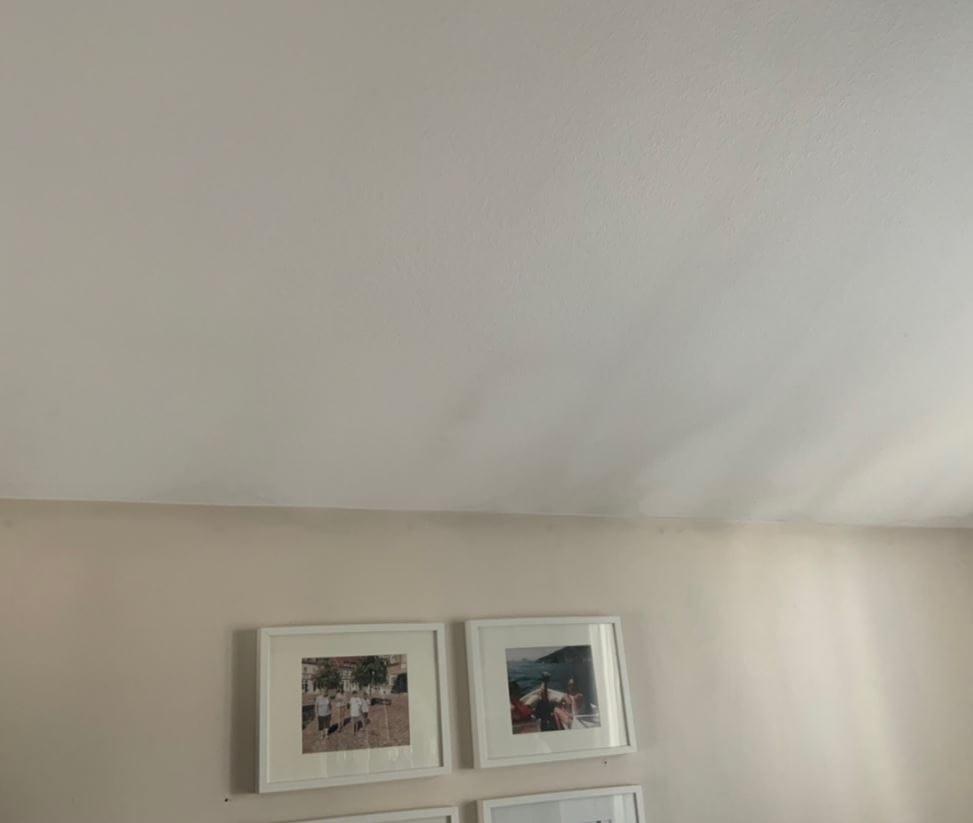
Wall ghosting—also known as “thermal tracking” or “bridging”—refers to those dark, sooty streaks that appear on interior walls and ceilings, often following the pattern of wall studs or joists. Unlike mold or simple dirt, ghosting is caused by airborne particles (soot, dust, tobacco smoke) sticking to cold surfaces due to temperature differences and static electricity.
Quick self-check: If the stains are:
- Black/gray and follow stud lines → Ghosting
- Green/black and fuzzy → Mold
- Brown/tan and sticky → Nicotine/tar
| Characteristic | Ghosting | Mold | Dirt |
|---|---|---|---|
| Color | Black/gray | Green, black, brown | Gray, beige |
| Texture | Dry, powdery | Fuzzy, slimy | Gritty |
| Pattern | Follows framing | Random patches | Handprints, scuffs |
| Smell | None | Musty | None |
Before You Start: Safety & Preparation
IMPORTANT: If you suspect mold, do NOT follow this guide. Ghosting is non-toxic soot; mold requires remediation.
What You’ll Need:
- PPE: N95 mask, gloves, safety glasses
- Cleaning agents: Trisodium phosphate (TSP) substitute, white vinegar, or dish soap
- Tools: Soft sponge, microfiber cloths, vacuum with HEPA filter, dry chemical sponge
- Optional: Primer, paint, insulation tools
Method 1: Dry Cleaning (For Light Ghosting)
Best for: Fresh stains, ceilings, delicate paint
- Vacuum first – Use HEPA vacuum with brush attachment. Do NOT rub; you’ll grind soot into paint.
- Dry chemical sponge – Also called “soot sponge.” Gently wipe in one direction.
- Assess – If stain remains, move to wet cleaning.
Why this works: Ghosting particles are often loose. Dry removal prevents smearing.
Method 2: Wet Cleaning (For Stubborn Ghosting)
Best for: Satin/eggshell paint, heavy buildup
Step-by-Step:
- Mix solution:
- 1 gallon warm water
- ½ cup white vinegar OR ¼ cup TSP substitute
- Sponge method:
- Dip sponge, wring until damp (not dripping)
- Wipe gently in overlapping circles
- Rinse sponge frequently
- Rinse wall: Clean water on separate sponge to remove residue
- Dry immediately with microfiber cloth
⚠️ Warning: Avoid excessive water on drywall. Work in small sections.
Method 3: Repainting (When Cleaning Isn’t Enough)
If ghosting remains after two cleaning attempts, the soot has penetrated the paint.
The right way to repaint ghosted walls:
- Clean first (Method 2) – Even if repainting, remove surface soot.
- Apply stain-blocking primer – MUST be shellac-based (Zinsser BIN) for ghosting. Water-based primers allow stains to bleed through.
- Paint with satin/eggshell – Flat paint attracts more ghosting.
| Primer Type | Blocks Soot? | Dries | Smell | Best For |
|---|---|---|---|---|
| Shellac | ✅ Excellent | 15 min | Strong | Ghosting, nicotine |
| Oil-based | ✅ Good | 2 hours | Moderate | General stains |
| Water-based | ❌ Poor | 30 min | Low | Fresh drywall |
Ghosting vs. Similar Problems (Comparison Table)
| Issue | Primary Cause | Cleaning Method | Prevention |
|---|---|---|---|
| Ghosting | Soot + cold spots | Dry sponge, TSP, vinegar | Insulation, air filtration |
| Mold | Moisture | Bleach, mold killer | Dehumidifier, ventilation |
| Nicotine | Tobacco tar | Degreaser, TSP | No smoking indoors |
| Candle soot | Incomplete combustion | Dry sponge, degreaser | LED candles, trim wicks |
How to Prevent Ghosting Permanently
Ghosting returns unless you fix the underlying cause. Here’s the checklist:
✅ 1. Eliminate Airborne Soot
- Replace candles with flameless LEDs
- Service furnace/water heater annually
- No smoking indoors
- Use kitchen vent hood when cooking
✅ 2. Fix Cold Spots (The #1 Cause)
Ghosting follows studs because wood conducts cold better than insulated cavities.
- Add insulation – Blown-in or foam
- Install storm windows – Reduce cold transfer
- Increase indoor humidity – 40–50% reduces static
✅ 3. Air Filtration
- HEPA air purifier in problem rooms
- Change HVAC filters monthly during heating season
✅ 4. Choose the Right Paint
- Semi-gloss or satin sheen (easier to clean)
- Avoid flat/matte paints in living areas
FAQ: Quick Answers
Q: Is ghosting dangerous?
A: No. It’s unsightly but non-toxic. However, the soot source (candles, furnace) may need attention.
Q: Can I use bleach?
A: Only if it’s mold. Bleach does not remove soot and can damage paint.
Q: Why does ghosting come back after painting?
A: You didn’t use shellac primer OR you haven’t fixed the cold spot/soot source.
Q: Does ghosting mean my house has poor insulation?
A: Not necessarily, but it’s a strong indicator. It can happen in well-insulated homes if soot is present.
Summary Checklist
- ✅ Confirm it’s ghosting, not mold
- ✅ Vacuum with HEPA
- ✅ Dry-clean with soot sponge
- ✅ Wet-clean with vinegar or TSP
- ✅ Prime with shellac if needed
- ✅ Repaint with satin sheen
- ✅ Eliminate candles, service HVAC, insulate
Final takeaway: Ghosting is fixable—but cleaning is only half the battle. Permanent results require stopping the soot and warming the cold spots. Use this guide step by step, and your walls will stay streak-free.