A New Homeowner’s Plumbing Checklist: What to Check Before You Settle In
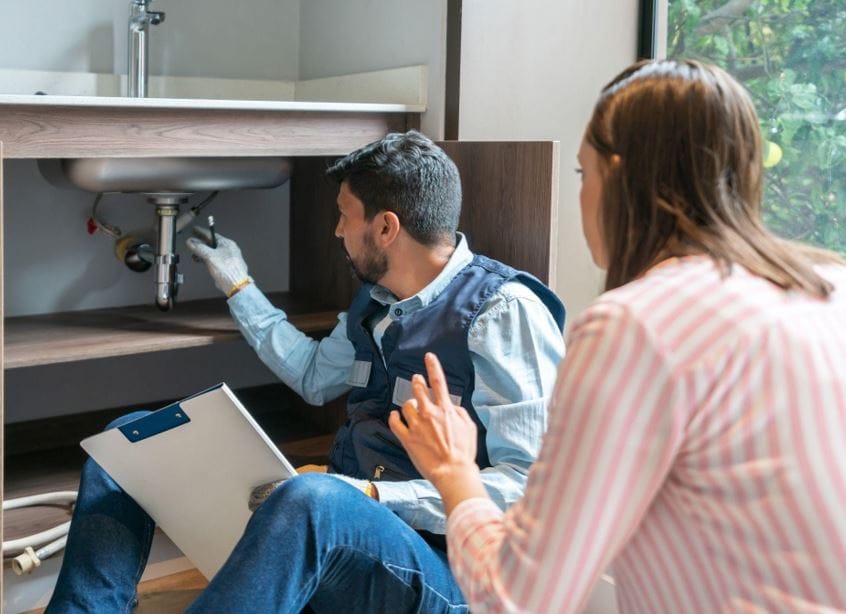
A plumbing checklist helps new homeowners catch issues early on. From leaks and faulty shut-off valves to drainage and water pressure problems, checking the plumbing system before or just after moving in can save you time, money, and frustration later.
Table of Contents
- Before You Inspect: Get Familiar with the Basics
- New Home Plumbing Checklist: What to Inspect Room by Room
2.1. Bathroom
2.2. Kitchen
2.3. Laundry and Utility Room
2.4. House-Wide and Outdoor Plumbing - Next Steps for New Homeowners
- Final Thoughts
Introduction
Buying a new home is exciting, but the responsibilities that come with it? Not quite as fun. Among the many things on your to-do list, plumbing might not seem urgent. Until the water heater stops working or a small leak ruins your floor.
This guide walks you through a clear and manageable checklist, so you can move in knowing the essentials have been checked and you’re not walking into a future repair bill.
Before You Inspect: Get Familiar with the Basics
Before diving into the checklist, it helps to know how things work. Your plumbing has two main sides:
- One brings clean water in through supply lines
- The other removes wastewater through drains and vents
The key components you should know:
- Main water shut-off valve (usually near the water meter or basement wall)
- Water heater
- Pressure regulator
- Individual shut-off valves under sinks and toilets
Knowing where these are and how to check them will help you handle emergencies or small problems before they get worse.
And if anything feels unclear or you notice early signs of trouble, reaching out to a professional service like Drain Rescue Plumbers can give you clarity and peace of mind. It’s always better to double-check now than face a costly repair later.
New Home Plumbing Checklist: What to Inspect Room by Room
1. Bathroom
Bathrooms have the highest concentration of plumbing fixtures, so they’re a good place to start.
Here’s what to check:
- Turn on sinks, tubs, and showers. Check for drips, low pressure, or unusual noises.
- Watch how quickly the water drains. Slow draining may mean clogs or venting issues.
- Flush each toilet. Make sure it refills correctly and doesn’t run afterward.
- Look around toilets and tubs for any signs of moisture or staining on the floor.
- Check for mold or mildew smells. These can point to hidden leaks.
2. Kitchen
The kitchen often hides leaks under sinks and behind appliances, so take your time here.
Things to inspect:
- Run the faucet and see if the water pressure is consistent.
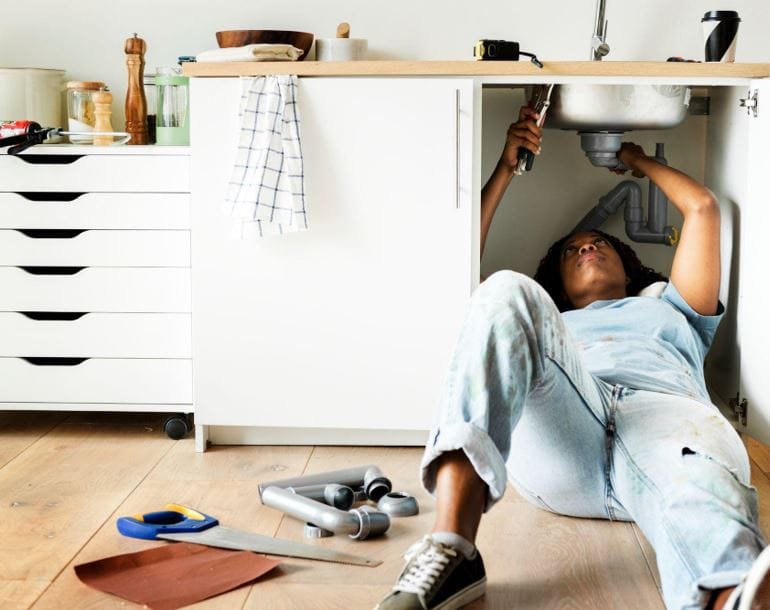
- Look underneath the sink for wet spots, corrosion, or mold.
- If there’s a dishwasher, run a short cycle and watch for any signs of leaking or backup.
- Check the refrigerator water line if your fridge has an ice maker or water dispenser.
3. Laundry and Utility Room
This is where you’ll often find the water heater, shut-off valves, and washer connections — all essential to a properly working home.
Checklist for this area:
- Inspect the water heater for rust, puddles, or signs of corrosion.
- Test the pressure relief valve by gently lifting the lever (have a bucket underneath just in case).
- Examine washer hoses for cracks or bulges.
- Turn off and on the washer supply valves to make sure they’re functional.
- Check if the drain for the washer backs up or smells unpleasant.
4. House-Wide and Outdoor Plumbing
Some issues don’t show up until you test the entire system or step outside.
What to look at next:
- Turn on multiple taps at once to test overall water pressure.
- Check all hose bibs and outdoor spigots for leaks.
- Walk around the home’s foundation. Pooling water or soft soil can mean drainage problems.
- If there’s a sump pump, pour some water into the pit and make sure it turns on and drains properly.
- Run water in various rooms at the same time and listen for gurgling or bubbling in other drains. This can suggest a venting or sewer issue.
Next Steps for New Homeowners
Keep a Maintenance Schedule
- Inspect visible pipes every few months for signs of moisture or rust
- Drain the water heater once a year to remove sediment
- Replace washing machine hoses every 3 to 5 years
- Add a water pressure gauge to monitor for any pressure changes
- Use natural drain cleaners occasionally to keep lines flowing smoothly
Know When to Call a Professional
If you notice persistent low pressure, discoloured water, water damage on walls or ceilings, or a musty smell that doesn’t go away, it’s best to bring in a licensed plumber. The same goes for anything involving the sewer line, hidden leaks, or major appliance replacements.
Final Thoughts
A plumbing inspection might not be the most exciting part of owning a home, but it’s one of the smartest things you can do early on. This checklist helps you identify any issues that could lead to major problems down the line.
You don’t have to be a plumbing expert, just observant and proactive. Take it one room at a time, trust your gut when something feels off, and don’t be afraid to ask for help. A bit of attention now can save you thousands in future repairs and help you enjoy your new space with fewer surprises.