8 Silent Signs Your House Has a Major Appliance Problem
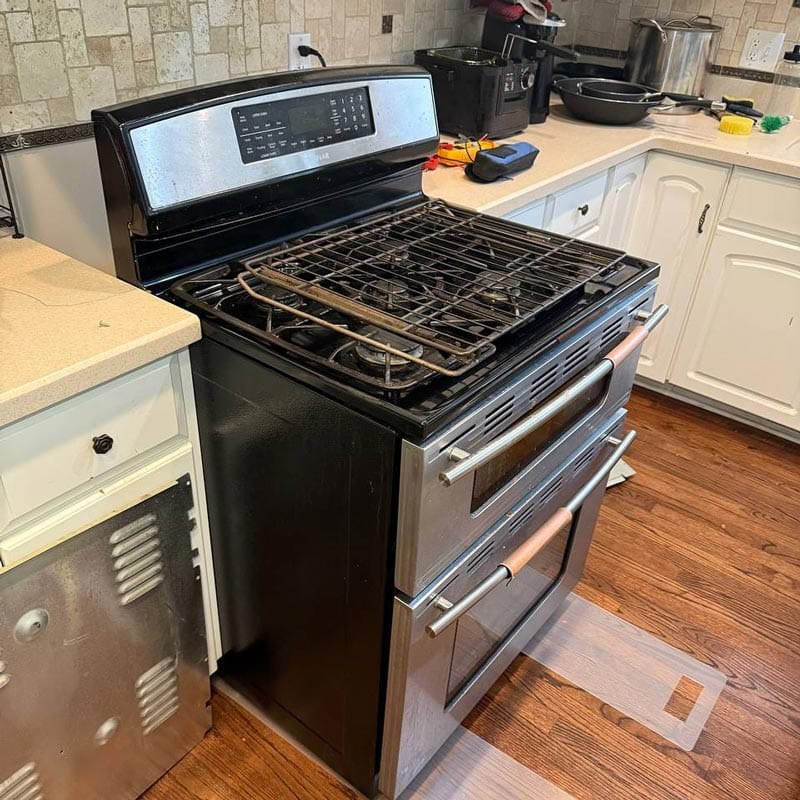
Our major appliances often work so diligently in the background that we forget they’re there—until they suddenly break down. Often, these failures don’t happen without warning. Instead, they send subtle, silent signals that, if caught early, can save you thousands in emergency repairs or premature replacements.
Ignoring these whispers can lead to a costly shout. As Mark Simmons, a master appliance technician with 20 years of experience, warns: “The most expensive appliance repair is almost always the one that could have been prevented. Homeowners often miss the quiet clues of wear and tear, paying the price later in water damage, complete system failure, or catastrophic energy bills.”
Here are eight silent signs that a major appliance in your home is developing a serious problem.
1. The Subtle, Mysterious Spike in Your Utility Bill
A sudden, unexplained increase in your water, gas, or electric bill is one of the clearest silent alarms. An appliance operating inefficiently—like a fridge with a failing compressor, a dryer with a blocked vent, or a water heater with a faulty element—works harder and longer, silently draining your wallet.
What to watch for: Compare your bills month-over-month and year-over-year. A consistent creep upwards, without a change in usage habits, points directly to an appliance inefficiency.
2. Unfamiliar Sounds: From Humming to Knocking
Appliances have their own “sound signatures.” A new noise is a direct cry for help.
- Refrigerator: Loud humming, clicking, or gurgling can indicate compressor issues or a failing fan motor.
- Dishwasher/Washing Machine: Grinding or screeching often signals a worn pump or motor bearing.
- Dryer: A high-pitched squeal suggests a failing idler pulley or drum roller.
3. Performance Drift: It’s Working… But Not Well
The appliance runs, but its core function is diminishing.
- Oven: Takes significantly longer to preheat or has noticeable hot/cold spots.
- Dishwasher: Dishes come out with residue or film, indicating failing heating elements or water jets.
- Refrigerator: Food spoils faster, or condensation forms inside, hinting at inconsistent temperature control.
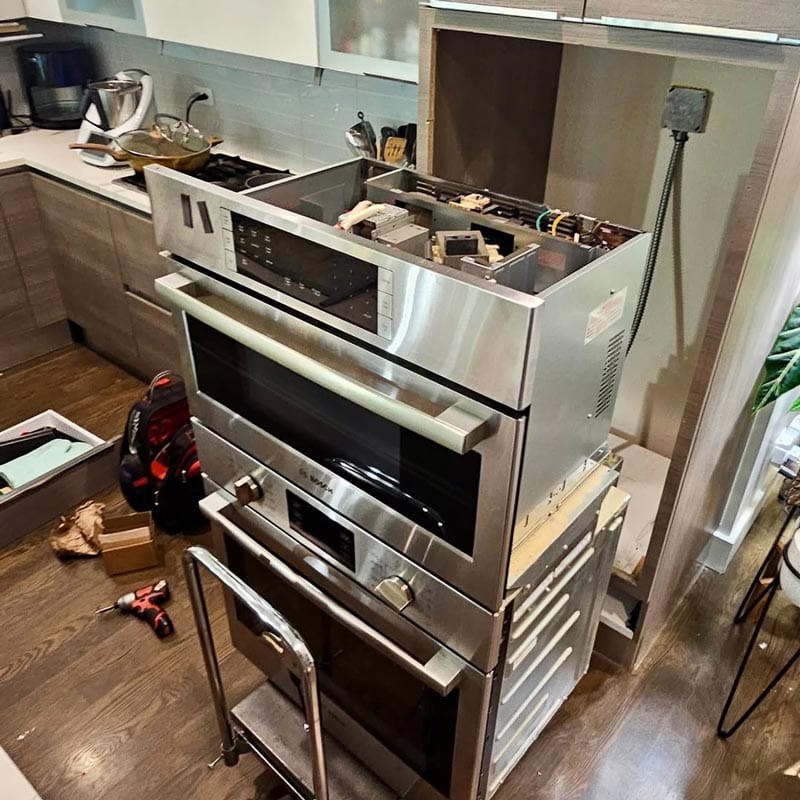
4. The Lingering, Unidentifiable Odor
Musty, burning, or chemical smells are serious red flags.
- Musty (Washer/Dishwasher): Often mold or mildew growth in hidden seals or drains—a sign of chronic moisture retention.
- Burning (Dryer/Oven): Could be lint trapped in the dryer vent (a major fire hazard) or wiring insulation breaking down.
- Rotten Egg (Gas Appliances): EVACUATE AND CALL THE GAS COMPANY IMMEDIATELY. This indicates a potential gas leak.
5. Excessive Moisture or Mysterious Leaks
Puddles or rust aren’t normal. A leak under the fridge could mean a clogged defrost drain or failing water line. Drips from a washing machine often point to decaying hoses or a failing pump seal. Small leaks quickly lead to major mold problems and structural damage.
6. Longer Cycle Times
Your dishwasher running for 3 hours? Dryer needing two cycles for one load? Extended cycles are a classic sign an appliance is struggling to complete its task, straining components and inflating your energy use.
7. Error Codes or Flickering Lights
Modern appliances communicate through their displays. An intermittent error code or a display that flickers and resets isn’t just a glitch—it’s often a symptom of a failing control board or faulty sensor, which can be costly to replace.
8. The Age Factor: Silent Time’s Toll
Even without obvious signs, age is a silent warning. Proactive monitoring is crucial as appliances exceed their typical lifespan.
Appliance Lifespan & Proactive Maintenance Guide
| Appliance | Average Lifespan | Silent Sign to Watch For | Proactive Action |
|---|---|---|---|
| Refrigerator | 10-15 years | Warm spots in fridge, excessive frost in freezer | Clean condenser coils every 6 months. |
| Gas Range | 15-17 years | Uneven flame color (should be blue), slow ignition | Clean burners and ports monthly. |
| Dishwasher | 9-12 years | Grit left on dishes, longer cycle times | Clean filters monthly, run a vinegar cycle. |
| Washing Machine | 10-13 years | Musty smell, slight vibration becoming louder | Clean door seal/gasket, check hoses annually. |
| Dryer | 10-13 years | Clothes are very hot after a cycle, outside of unit gets hot | Clean lint filter every load; have vents professionally cleaned yearly. |
| Water Heater | 8-12 years | Discolored water, rumbling sounds, minor leaks | Flush the tank annually to remove sediment. |
What to Do If You Notice a Silent Sign
- Don’t Ignore It: Early intervention is key.
- Diagnose Safely: For smells, leaks, or performance issues, consult your appliance manual first. For anything related to gas or electrical concerns, stop use immediately.
- Call a Professional like https://alex-repair.com/
A certified technician can accurately diagnose the silent sign before it becomes a catastrophic failure. As home inspector and property expert, Lisa Tran, advises: “Think of these signs as your home’s vital signs. A small investment in a service call for diagnosis is like a preventative health check-up—it can identify a small, fixable issue before it becomes a life-threatening emergency for your home’s systems.” - Weigh Repair vs. Replace: For appliances nearing the end of their lifespan where repair costs exceed 50% of the price of a new, energy-efficient model, replacement is often the more economical long-term choice.
Conclusion
Your home’s major appliances speak in a language of hums, cycles, bills, and subtle shifts in performance. Learning to listen to these eight silent signs empowers you to become a proactive homeowner. You can transform a potential disaster into a manageable, scheduled repair, protecting your home, your safety, and your finances. Schedule a maintenance check today—your appliances (and your wallet) will thank you tomorrow.